
Tree Care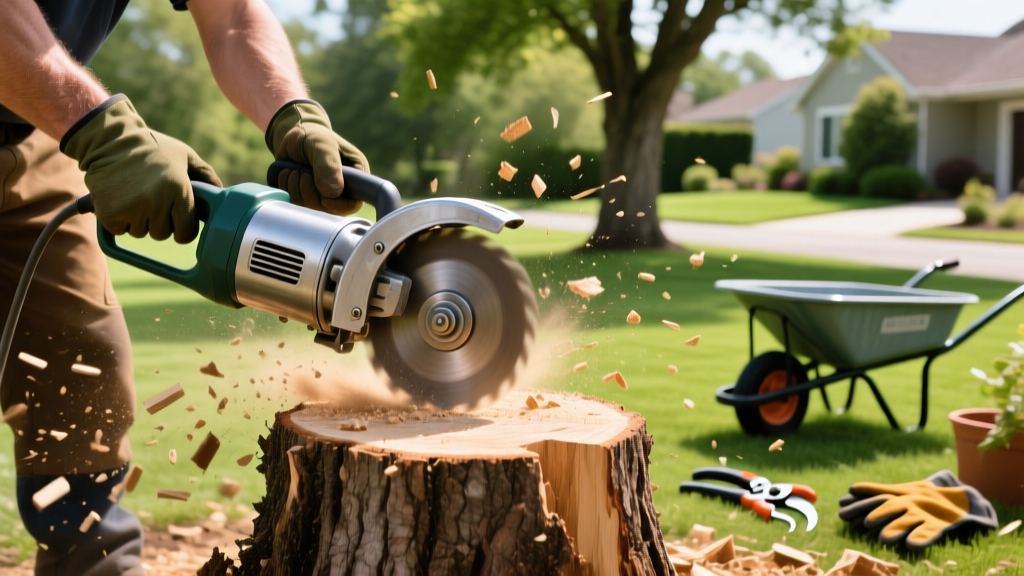
How to Remove a Stump: The Pest & Weed Eradication Playbook
The Hidden Threat: Stumps as Pest and Weed Incubators
Leaving a tree stump in your yard is not merely an aesthetic compromise; it is an active invitation to structural pests and aggressive weeds. From the perspective of pest management, a decaying stump provides the exact moisture and cellulose profile required by Eastern subterranean termites (Reticulitermes flavipes) and carpenter ants (Camponotus pennsylvanicus). Furthermore, invasive species like the Tree of Heaven (Ailanthus altissima) utilize the remaining root collar to push up aggressive, suckering shoots for years after the main trunk is felled.
If you are researching how to remove a stump, your primary objective should be total biological eradication of the root collar to sever the food supply for wood-destroying organisms and prevent fungal mycelium networks from spreading to adjacent healthy landscaping.
Decision Matrix: Choosing Your Eradication Method
Selecting the right removal strategy depends on your budget, the stump's diameter, and the severity of the current pest pressure. The University of Minnesota Extension notes that mechanical removal is the only way to guarantee immediate elimination of the physical structure, while chemical methods require patience.
| Method | Best For | Timeframe | Estimated Cost (2026) | Pest Elimination Speed |
|---|---|---|---|---|
| Mechanical Grinding | Stumps >12 inches, active termite presence | 2 to 4 hours | $175 - $250 (equipment rental) | Immediate |
| Chemical Acceleration | Stumps <15 inches, budget DIYers, no immediate structural threat | 4 to 8 weeks | $25 - $45 (chemicals & bits) | Gradual (as wood decays) |
| Manual Excavation | Small stumps <8 inches, tight fence-line access | 4 to 8 hours | $0 (sweat equity) | Immediate |
Playbook 1: Mechanical Grinding (The 4-Hour Eradication)
For stumps harboring active carpenter ant colonies or Formosan termites, time is of the essence. Mechanical grinding physically destroys the habitat. Renting a walk-behind stump grinder, such as the Toro STX-38 or Vermeer SC362, typically costs between $175 and $225 per day from local equipment yards.
Warning: Utility Line Check
Before engaging the grinding wheel, you must call 811 to have underground utility lines marked. Striking a buried gas or fiber-optic line with a carbide-tipped grinding wheel will result in catastrophic damage and severe liability.
Before engaging the grinding wheel, you must call 811 to have underground utility lines marked. Striking a buried gas or fiber-optic line with a carbide-tipped grinding wheel will result in catastrophic damage and severe liability.
Step-by-Step Grinding Procedure
- Clear the Perimeter: Use a mattock and shovel to remove rocks, soil, and mulch within a 3-foot radius of the stump. Exposing the root flare prevents the grinder's teeth from dulling on hidden stones.
- Establish the Pivot Point: Position the grinder so the wheel is over the outer edge of the stump. Engage the throttle and sweep the wheel side-to-side in a 4-inch arc.
- Grind to Grade: Lower the wheel incrementally. You must grind at least 10 to 12 inches below the soil surface. This depth is critical to sever the taproot and lateral root collar, preventing suckering weeds from regenerating.
- Extract the Debris: Remove the resulting mix of woodchips and soil. Do not leave it in the hole, as this mixture will settle and create a depression that harbors standing water and mosquito larvae.
Playbook 2: Chemical Acceleration (The Budget DIY Route)
If mechanical access is blocked by a fence or retaining wall, chemical decay acceleration is your best alternative. This method utilizes Potassium Nitrate (KNO3), commonly sold as Spectracide Stump Remover, to rapidly alter the carbon-to-nitrogen (C:N) ratio of the wood, triggering an explosion of wood-decaying fungi.
The Drilling and Dosing Protocol
- Tooling: Use a high-torque cordless drill equipped with a 1-inch spade bit.
- Pattern: Drill vertical holes into the top of the stump, spacing them 3 inches apart in concentric rings. Each hole must be at least 10 inches deep to reach the active sapwood.
- Dosing: Fill each hole to the brim with potassium nitrate granules. Pour warm water into the holes to dissolve the chemical and carry it into the wood's vascular tissue.
- Incubation: Cover the stump with a heavy-duty black polyethylene tarp, anchoring the edges with bricks. This traps heat and moisture. According to entomological research on wood decay from University of Kentucky Entomology, maintaining high moisture levels is the primary catalyst for fungal colonization, which will render the stump spongy and easily removable with a mattock in 4 to 6 weeks.
Post-Removal Soil Remediation: Stopping the Weeds
The most common mistake homeowners make after learning how to remove a stump is ignoring the soil biology left behind. Whether you ground the stump or dug it out, the remaining soil is heavily saturated with woodchips. As these chips decompose, soil microbes consume massive amounts of nitrogen, creating a localized nitrogen deficiency that weakens surrounding turf and invites aggressive, broadleaf weeds like plantain and dandelion.
Pro Tip: The Nitrogen Offset
To counteract nitrogen robbery, mix 2 cups of 46-0-0 Urea fertilizer or 5 lbs of blood meal into the backfill soil before laying new sod or grass seed. This provides the microbes with the nitrogen they need to break down the chips without starving your new lawn.
To counteract nitrogen robbery, mix 2 cups of 46-0-0 Urea fertilizer or 5 lbs of blood meal into the backfill soil before laying new sod or grass seed. This provides the microbes with the nitrogen they need to break down the chips without starving your new lawn.
Furthermore, if the removed tree was a known allelopathic species (like Black Walnut or Tree of Heaven), the residual soil may contain juglone or ailanthone—toxins that inhibit the growth of new plants. In these cases, you must excavate the top 18 inches of soil from the stump zone and replace it with clean, screened topsoil before replanting.
Frequently Asked Questions
Will Epsom salt kill a tree stump and stop pests?
While Epsom salt (magnesium sulfate) can dehydrate and kill living stump tissue, it does not accelerate the decay process effectively enough to deter subterranean termites, which thrive in moist, dead wood. Potassium nitrate is vastly superior for pest-focused eradication because it actively promotes the fungal decay that destroys the termite food source.
How do I stop root suckers from growing back after grinding?
If you are dealing with a suckering species like the Bradford Pear or Poplar, grinding alone may not kill the deep lateral roots. Immediately after grinding, paint the exposed, freshly cut lateral roots with a 20% Glyphosate or Triclopyr solution using a foam brush. This translocates the herbicide down the root system, preventing the weed-like shoots from returning the following spring.
Can I burn a stump out to kill the pests?
Burning is highly discouraged in residential zones due to fire risks and local ordinances. Furthermore, a slow-burning stump fire often only chars the exterior, leaving the deep, moist core intact. This charred shell can actually create a protected, dry habitat for certain wood-boring beetles and carpenter ants, defeating the purpose of the removal.

