
Tree Care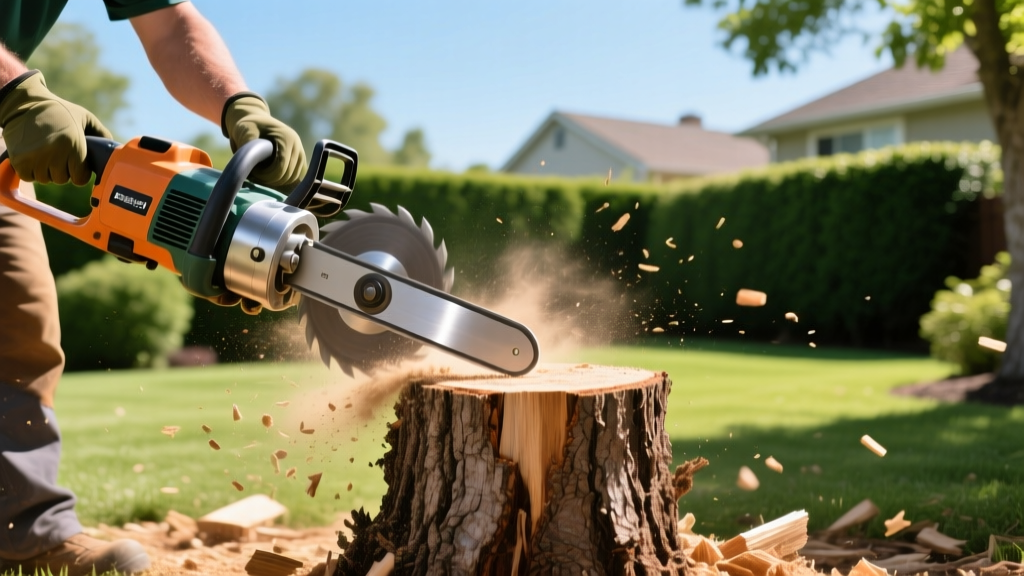
Removing Small Tree Stumps: 4 Proven Methods and Costs
The True Cost and Effort of Removing Small Tree Stumps
Leaving a small tree stump (under 12 inches in diameter) in your yard seems harmless until it becomes a trip hazard, a magnet for carpenter ants, or a relentless source of root suckers. While massive stumps require heavy machinery, removing small tree stumps can often be tackled with manual labor, targeted chemicals, or compact rental equipment. The right approach depends entirely on your budget, timeline, and the specific tree species you are dealing with.
This guide breaks down the exact tools, chemical concentrations, and 2026 rental pricing required to extract or decay small stumps, moving beyond generic advice to provide actionable, professional-grade frameworks.
Quick Decision Matrix: Which Method Should You Choose?
- Budget under $20, Timeline 6+ months: Chemical Acceleration (Potassium Nitrate)
- Budget under $50, Timeline 1 weekend: Manual Extraction (Mattock and Digging Bar)
- Budget under $30, Timeline 3-4 months: Epsom Salt Desiccation
- Budget $200+, Timeline 2 hours: Walk-Behind Mini Stump Grinding
Method 1: Manual Extraction (The Sweat Equity Route)
For stumps between 4 and 10 inches in diameter, manual extraction is highly effective and costs less than $50 in tools. This method is ideal for shallow-rooted species like birch, maple, or dogwood, but becomes significantly harder with deep taproot species like oak or hickory.
Required Tools and Specifications
- Cutting Mattock: A 5-pound mattock (e.g., Truper 30032, ~$45) with a 36-inch fiberglass handle to absorb shock.
- Digging Bar: A 6-foot, 15-pound steel digging bar to pry the stump upward and sever deep taproots.
- Bypass Loppers: 24-inch bypass loppers for cleanly snipping lateral roots up to 1.5 inches thick.
Step-by-Step Extraction Process
- Trench the Perimeter: Dig a circular trench 12 to 18 inches away from the base of the stump, going down 12 inches deep. This exposes the primary lateral roots.
- Sever Lateral Roots: Use the mattock to chop through roots up to 2 inches thick. For thicker roots, use a pruning saw. Clean cuts prevent the root from splintering and anchoring deeper into the soil.
- Undermine the Base: Dig directly beneath the stump to expose the taproot or root ball. Slide the digging bar under the root ball and use a fulcrum (a block of wood) to lever the stump upward.
- Extract and Backfill: Once the stump pops free, drag it out and fill the void with a 50/50 mix of native soil and compost to prevent ground settling.
Method 2: Chemical Acceleration (Potassium Nitrate)
Chemical stump removers do not dissolve wood; they accelerate fungal decay by providing a massive nitrogen spike that fungi feed on. This method requires patience but minimal physical labor.
The Drill-and-Fill Technique
The most effective commercial product on the market is Spectracide Stump Remover (16 oz, typically $11-$14), which consists of 100% potassium nitrate. To use it effectively, you must maximize the surface area inside the stump.
- Using a cordless drill and a 1-inch spade bit, bore holes 8 to 10 inches deep into the top of the stump.
- Space the holes 3 inches apart in a grid pattern, staying 2 inches away from the outer bark edge.
- Drill additional holes at a 45-degree angle into the sides of the stump to intersect with the vertical holes.
- Fill each hole to the brim with potassium nitrate granules, then pour warm water into the holes to dissolve the chemical into the wood fibers.
- Cover the stump with a dark plastic tarp to trap moisture and heat, accelerating fungal growth.
Critical Edge Case: Potassium nitrate only works effectively on dead, dry wood. If you just cut the tree down, wait at least 4 to 6 weeks for the wood to dry out before applying the chemical, otherwise the active sap will push the granules back out of the drill holes.
Method 3: Epsom Salt Desiccation (The Organic Alternative)
If you want to avoid synthetic chemicals near your garden beds or water table, Epsom salt (magnesium sulfate) is a highly effective desiccant. It draws moisture out of the wood, killing the living tissue and initiating natural rot.
The Protocol: Follow the exact same 1-inch spade bit drilling pattern used in the chemical method. Instead of potassium nitrate, pack the holes tightly with 100% pure Epsom salt (do not use scented bath salts containing oils or moisturizers). Cap the top of each hole with melted paraffin wax or a silicone plug to prevent rain from washing the salt out. Expect the stump to become brittle and easily breakable with a mattock in 3 to 4 months.
Method Comparison Matrix
| Method | Estimated Cost | Time to Completion | Physical Effort | Best For |
|---|---|---|---|---|
| Manual Extraction | $0 - $50 | 1 - 3 Hours | Very High | Stumps under 8 inches, shallow roots |
| Potassium Nitrate | $15 - $30 | 2 - 6 Months | Low | Dense hardwoods, low physical ability |
| Epsom Salt | $10 - $20 | 3 - 4 Months | Low | Near edible gardens or water features |
| Mini-Grinding | $250 - $350 | 1 - 2 Hours | Moderate | Instant results, multiple stumps |
Method 4: Walk-Behind Stump Grinding (Rental Realities)
When you have multiple small stumps or need the area cleared immediately for landscaping, renting a walk-behind stump grinder is the fastest solution. In 2026, a standard 12-HP to 14-HP walk-behind grinder (such as models from Vermeer or DuraTech) rents for approximately $175 to $225 per day from major equipment centers, plus a $75 to $100 delivery fee.
Hidden Costs and Safety Protocols
- Utility Locates: Before the grinder touches the soil, you must call 811 to have underground utilities marked. Hitting a shallow fiber-optic or gas line can result in thousands of dollars in fines and repair costs. According to the University of Minnesota Extension, grinding should never exceed 12 inches below grade to avoid utility conflicts.
- Blade Wear Fees: Rental grinders use carbide-tipped teeth. If you grind into soil laden with river rock or buried concrete, you will dull or break the teeth. Rental agreements typically charge $5 to $8 per broken tooth. Clear the base of the stump of all surface rocks before engaging the cutting wheel.
Crucial Edge Case: Dealing with Suckering Species
Not all small stumps can simply be cut and left to rot. Invasive and highly resilient species like the Tree of Heaven (Ailanthus altissima), Bradford Pear, and Paulownia possess aggressive root systems that respond to cutting by sending up dozens of root suckers across your lawn.
Warning: If you are removing a small Tree of Heaven stump, mechanical grinding or manual removal without chemical treatment will trigger massive vegetative reproduction. The Penn State Extension explicitly warns that cutting the stem stimulates the roots to produce dense, thorny sprouts that can spread up to 50 feet from the parent root system.
The Fix: For these specific species, you must apply a systemic herbicide containing Triclopyr or Glyphosate (at a 20% concentration mixed with a surfactant) directly to the freshly cut cambium layer (the outer ring just inside the bark) within 15 minutes of cutting. This translocates the chemical down into the root system, killing it entirely before suckering can begin.
Frequently Asked Questions
Will a small stump naturally rot away if I just leave it?
Yes, but the timeline varies wildly by species. A small pine or spruce stump may decay in 3 to 5 years due to high resin content and susceptibility to wood-decaying fungi. However, a small cedar, locust, or oak stump can remain structurally intact for 15 to 20 years, acting as a persistent tripping hazard and harboring pests.
Can I burn a small tree stump out of the ground?
While the 'coal and kerosene' method is a popular internet hack, it is highly discouraged in residential areas. Subterranean root fires can spread through dry peat soil or dead lateral roots, potentially igniting neighboring structures or underground utility lines. Furthermore, most municipal fire codes strictly prohibit open-ground burning.
How deep do I need to grind a stump for new sod?
For standard turfgrass installation, the stump and its primary surface roots must be ground to at least 6 to 8 inches below grade. Once ground, remove the resulting wood chip mulch (which ties up soil nitrogen as it decomposes) and replace the void with nutrient-rich topsoil before laying sod or sowing seed.

