Tree Care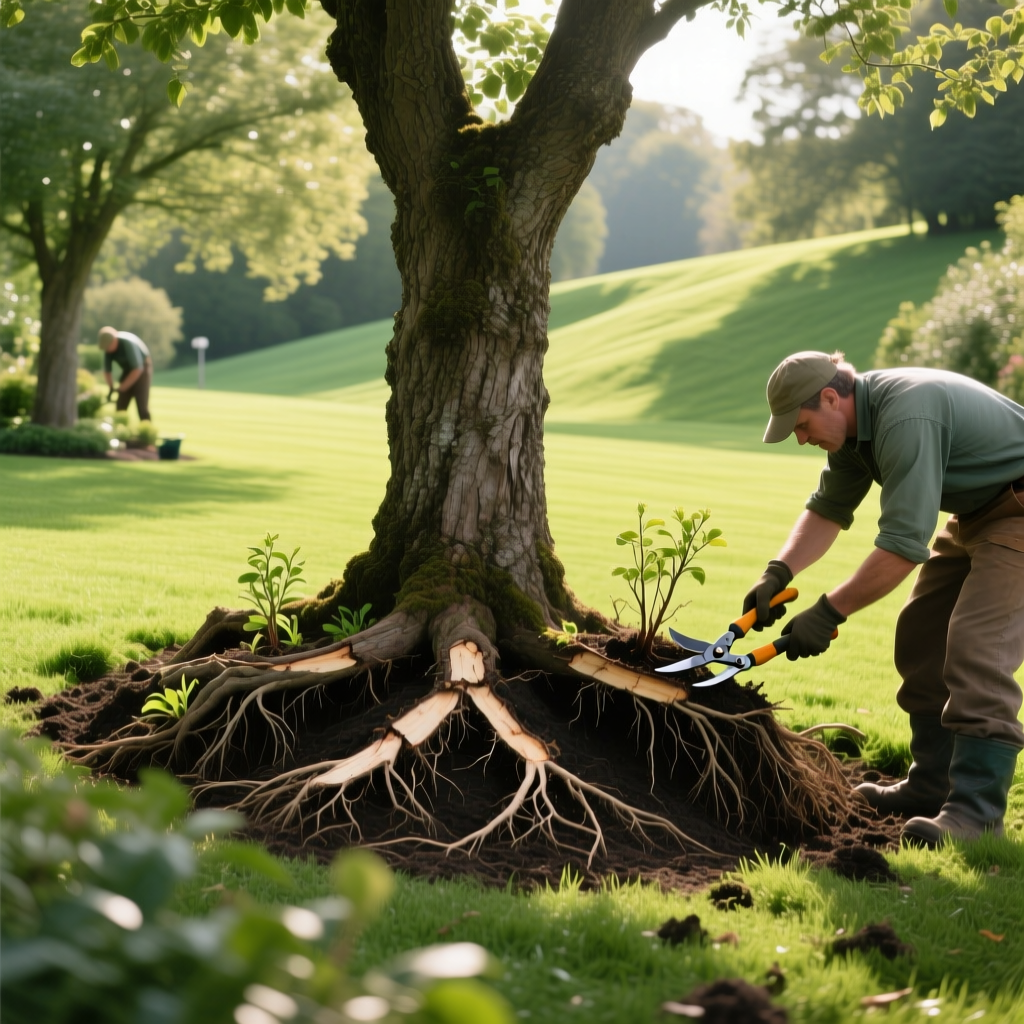
Root Pruning Mature Trees Without Killing Them: A Complete Guide
Robert HayesPublished
Root Pruning Mature Trees Without Killing Them: A Complete Guide
Mature trees are the crown jewels of any landscape. They provide shade, improve air quality, increase property value, and create a sense of timeless beauty that young trees simply cannot match. But what happens when those sprawling root systems start causing problems? Whether roots are threatening your home’s foundation, lifting sidewalks, invading underground plumbing, or simply spreading beyond their welcome, root pruning may be the solution. However, improper root pruning on a mature tree can be a death sentence. Unlike young trees that bounce back quickly from root loss, mature specimens have a delicate balance between their canopy and root system that must be carefully preserved.
The good news is that with the right knowledge, tools, and timing, you can successfully root prune mature trees without killing them. This comprehensive guide walks you through every aspect of the process—from understanding tree root biology to making precise cuts and providing essential aftercare. If you’re also managing the surrounding landscape, be sure to explore our lawn care guides for tips on keeping the turf around your trees healthy during and after the pruning process.
Understanding Tree Root Systems and Why Pruning Is Necessary
Before you pick up a saw, it is critical to understand how tree root systems actually work. Contrary to popular belief, most tree roots do not grow deep into the earth. The vast majority of a tree’s root system—including the fine, feeder roots responsible for absorbing water and nutrients—exists within the top 12 to 18 inches of soil. These roots typically extend well beyond the drip line (the outer edge of the tree’s canopy), often spreading two to three times the width of the crown.
A mature tree’s root system serves several vital functions:
- Anchorage: Structural roots provide stability and keep the tree upright during storms and high winds.
- Water absorption: Fine feeder roots take in moisture from the surrounding soil.
- Nutrient uptake: Roots absorb essential minerals and nutrients needed for growth and health.
- Energy storage: Roots store carbohydrates that the tree relies on during dormancy and stress periods.
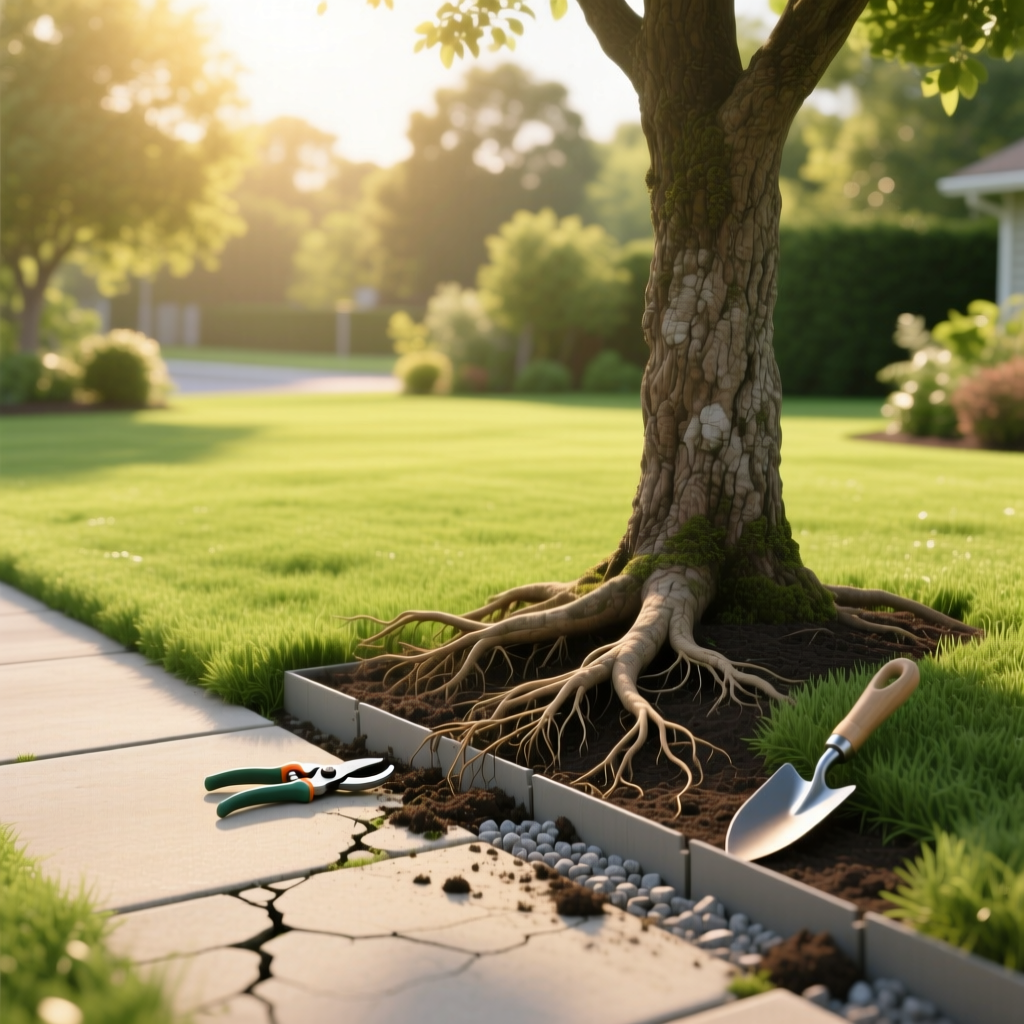
Root pruning becomes necessary for several common reasons. Surface roots may heave and crack driveways, patios, and sidewalks. Roots may grow too close to building foundations, potentially causing structural damage over time. Invasive roots can penetrate sewer lines, septic systems, and underground utility pipes. Sometimes, root pruning is required before construction projects, transplanting, or installing new irrigation systems near established trees.
The challenge with mature trees is that they have invested decades in building their root infrastructure. Removing too many roots at once disrupts the tree’s ability to sustain its canopy, making it vulnerable to drought stress, disease, insect infestation, and structural failure. The key to success lies in understanding how much root mass can be safely removed and executing the pruning with surgical precision.
The Science of Safe Root Pruning: How Much Is Too Much
The single most important rule in root pruning mature trees is to never remove more than 25 percent of the root system at one time. This is not a suggestion—it is a biological threshold. When you remove roots, you reduce the tree’s capacity to absorb water and nutrients. If you remove too much, the canopy begins to die back because it can no longer be supported by the diminished root system. This phenomenon is known as crown dieback, and it is one of the most common causes of tree death following aggressive root pruning.
Several factors influence how much root pruning a mature tree can tolerate:
Tree Species and Vigor
Some species are remarkably resilient to root disturbance. Oaks, maples, and elms tend to recover more readily from root pruning than species like beeches, birches, and magnolias, which are notoriously sensitive to root disruption. Fast-growing species generally regenerate roots more quickly than slow-growing ones. Research your specific tree species before beginning any root work, and consult our tree care resources for species-specific guidance.
Tree Age and Health
A healthy, vigorous mature tree can handle more root pruning than a declining or stressed specimen. If your tree is already showing signs of stress—such as thinning canopy, premature leaf drop, dead branches, or fungal growth on the trunk—you should minimize root disturbance as much as possible or avoid pruning roots altogether until the tree recovers.
Soil Conditions and Environment
Trees growing in rich, well-drained soil with adequate moisture will regenerate roots faster than those in compacted, poor, or drought-prone soils. Urban trees, which often face restricted growing spaces, heat island effects, and soil compaction, are generally less resilient to root pruning than trees in natural settings.
The Critical Root Zone
Arborists use a concept called the Critical Root Zone (CRZ) to determine the minimum area of roots that must remain undisturbed. The CRZ is typically calculated as a circle with a radius of one foot for every inch of trunk diameter measured at breast height (approximately 4.5 feet above the ground). For example, a mature tree with a 24-inch trunk diameter has a CRZ with a 24-foot radius from the trunk. Roots within this zone are essential to the tree’s survival and should be disturbed as little as possible.
When planning your root pruning, map out the CRZ and avoid cutting any roots within this area whenever possible. If you must cut roots inside the CRZ, limit the work to small-diameter roots and make as few cuts as you can.
Step-by-Step Root Pruning Techniques for Mature Trees
With an understanding of root biology and safe pruning limits, you can approach the actual work methodically. Follow these steps to prune roots on a mature tree while minimizing stress and maximizing the tree’s chances of recovery.
Step 1: Assess and Plan
Before cutting anything, evaluate the situation thoroughly. Identify which roots are causing problems and determine whether they are structural roots (large, woody roots that provide anchorage) or lateral roots (smaller roots that primarily absorb water and nutrients). Plan your cuts so that you remove the minimum number of roots necessary to solve the problem. Mark the roots you intend to cut with spray paint or flags. If you are unsure about the scope of work, consult a certified arborist for a professional assessment.
Step 2: Choose the Right Time
Timing is everything when it comes to root pruning. The best time to prune roots on most mature trees is during late winter or early spring, just before the tree breaks dormancy and begins its active growth phase. During this window, the tree is preparing to push out new growth and can direct energy toward regenerating severed roots. Avoid root pruning during the heat of summer, when the tree is already under environmental stress, or in late fall, when the tree is going dormant and will not be able to initiate root regrowth until the following spring.
Step 3: Expose the Roots Carefully
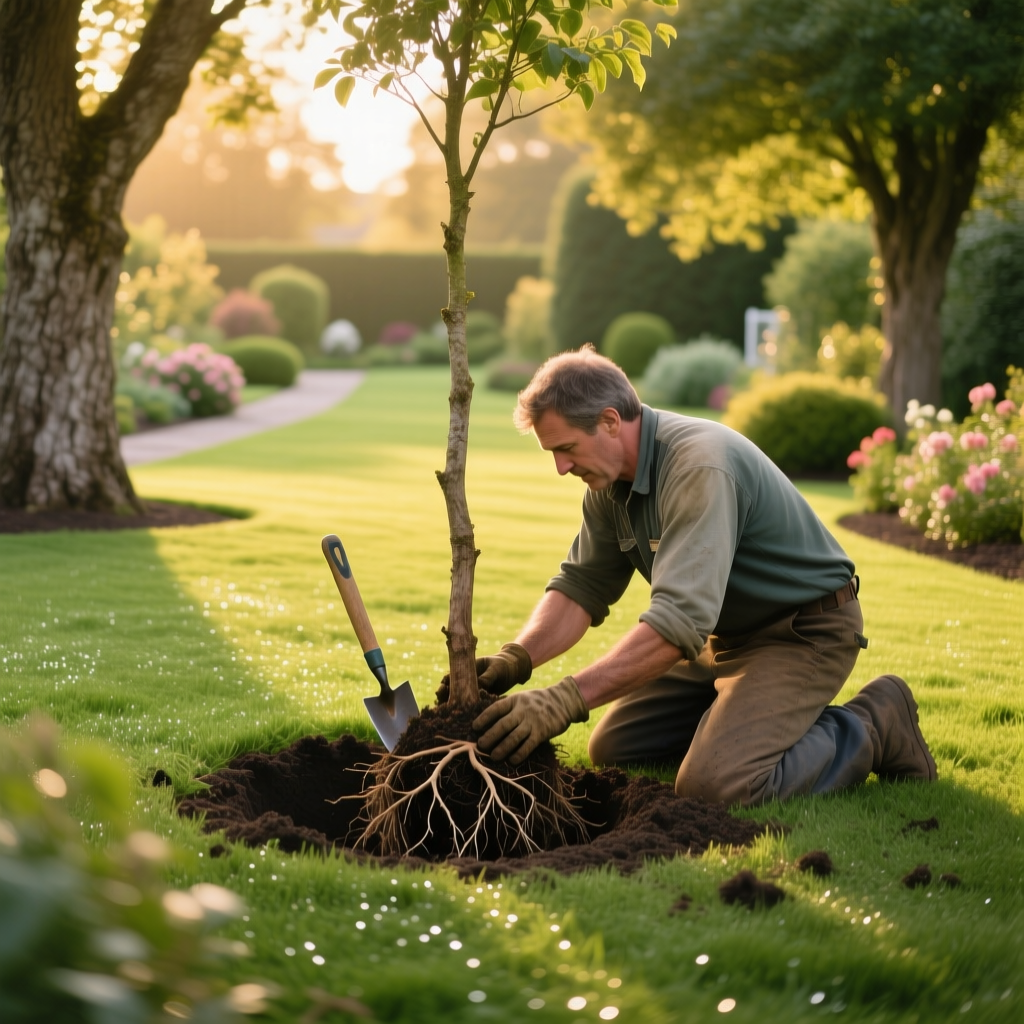
Use hand tools such as a garden trowel, hand fork, or an air spade (a pneumatic excavation tool used by professional arborists) to carefully expose the roots you plan to cut. Avoid using heavy machinery or aggressive digging that can damage surrounding roots you intend to keep. Gently remove soil from around the target roots so you can make clean, precise cuts. If you are working near the base of the tree, be especially careful not to damage the root flare—the area where the trunk transitions into the root system.
Step 4: Make Clean, Precise Cuts
Use sharp, sterilized tools to make your cuts. For roots less than two inches in diameter, a sharp pair of bypass loppers or a pruning saw works well. For larger roots, you may need a reciprocating saw or a sharp axe. Always make clean, straight cuts rather than jagged, torn ones. Ragged cuts heal slowly and provide entry points for decay organisms and disease-causing fungi. Cut the root cleanly on the side facing the tree, leaving a smooth wound that the tree can compartmentalize and seal over time.
It is generally recommended to avoid cutting roots larger than two inches in diameter on mature trees unless absolutely necessary. Large roots take much longer to heal and their loss has a more significant impact on the tree’s stability and nutrient uptake.
Step 5: Protect the Cut Area
After making your cuts, do not apply wound paint, tar, or sealants to the cut root surfaces. Research has consistently shown that these products do not prevent decay and can actually trap moisture and pathogens against the wound. Instead, allow the cuts to air-dry naturally. Replace the soil around the pruned roots, taking care not to bury the root flare or pile soil against the trunk. Gently tamp the soil to eliminate large air pockets, but avoid heavy compaction.
After root pruning, you may want to apply a layer of organic mulch around the base of the tree to help retain moisture and regulate soil temperature. Our mulching guide provides detailed instructions on proper mulching techniques that benefit both your trees and surrounding lawn.
Essential Aftercare: Helping Your Tree Recover After Root Pruning
The work does not end when the last root is cut. In fact, the aftercare period is arguably the most critical phase of the entire root pruning process. A mature tree that has lost a portion of its root system is in a vulnerable state, and how you care for it in the weeks and months following pruning will largely determine whether it thrives or declines.
Watering
Deep, consistent watering is the single most important aftercare step. With fewer roots available to absorb moisture, the tree needs supplemental irrigation to prevent drought stress. Water the tree deeply at least once a week during the first growing season after root pruning, providing approximately one inch of water per week if rainfall is insufficient. Use a soaker hose or slow-drip method to allow water to penetrate deeply into the soil rather than running off the surface. Continue this watering regimen through the first full year after pruning.
Mulching
Apply a two-to-four-inch layer of organic mulch (such as wood chips, shredded bark, or leaf compost) in a wide ring around the base of the tree. Extend the mulch ring as far out from the trunk as practical—ideally to the drip line or beyond. Keep the mulch a few inches away from the trunk itself to prevent moisture buildup that can lead to rot. Mulch conserves soil moisture, moderates soil temperature, suppresses weeds, and gradually adds organic matter to the soil as it decomposes.
Avoid Fertilizing Immediately
It may seem counterintuitive, but you should avoid applying high-nitrogen fertilizers immediately after root pruning. Pushing the tree to produce rapid top growth when its root system is compromised creates an imbalance that the tree cannot sustain. Instead, focus on supporting root regeneration. If a soil test indicates nutrient deficiencies, apply a slow-release, balanced fertilizer the following growing season once the tree has had time to begin rebuilding its root system. For more on maintaining healthy soil in your landscape, check out our soil testing and amendment guide.
Monitor for Signs of Stress
Keep a close eye on the tree throughout the first year after root pruning. Watch for warning signs such as wilting or yellowing leaves, premature leaf drop, branch dieback in the canopy, excessive sap flow from wounds, or the appearance of fungal fruiting bodies on the trunk or roots. If you notice any of these symptoms, increase watering and consider consulting a certified arborist for a professional evaluation.
Prune the Canopy if Necessary
In some cases, it may be beneficial to perform light canopy pruning after root pruning to reduce the tree’s overall water demand. Removing dead, damaged, or weak branches reduces stress on the compromised root system. However, avoid heavy canopy pruning, as the tree needs its leaves to produce the energy required for root regeneration. Learn more about proper canopy management in our tree pruning guide.
Common Diseases and Risks Associated with Root Pruning
Root pruning creates open wounds that can serve as entry points for various pathogens and pests. Understanding these risks allows you to take preventive measures and recognize problems early.
Root Rot Fungi
Armillaria root rot (also known as oak root fungus) and Phytophthora root rot are among the most dangerous pathogens that can invade pruning wounds. These fungi attack the tree’s vascular system, disrupting the flow of water and nutrients. Symptoms include yellowing foliage, stunted growth, and the appearance of honey-colored mushrooms at the base of the tree. There is no cure for advanced root rot, which is why prevention through clean cuts and proper aftercare is so critical.
Wood Decay Fungi
Ganoderma, Inonotus, and other wood decay fungi can enter through large root pruning wounds and slowly hollow out the structural roots from the inside. This internal decay weakens the tree’s anchorage and can lead to catastrophic failure—the tree falling over without warning. If you notice shelf-like fungal growths (conks) emerging from the base of the tree or its roots, have the tree evaluated by a professional arborist immediately.
Borer Insects
Stressed trees emit chemical signals that attract bark beetles, flatheaded borers, and other wood-boring insects. These pests tunnel into the trunk and roots, further disrupting the tree’s vascular system and introducing additional pathogens. Maintaining tree vigor through proper watering and mulching is the best defense against borer attacks.
Girdling Root Formation
Improper root pruning can sometimes stimulate the growth of adventitious roots that circle and girdle the trunk or other roots. These girdling roots gradually strangle the tree, cutting off the flow of water and nutrients. To minimize this risk, make clean cuts at proper angles and avoid tearing or ripping roots during the pruning process.
If you suspect your tree has developed a disease following root pruning, early intervention is essential. Our tree disease identification guide can help you recognize common symptoms and determine when to call a professional.
Seasonal Tips for Root Pruning and Year-Round Tree Health
While the actual root pruning should be timed for late winter or early spring, maintaining tree health is a year-round endeavor. Here is a seasonal breakdown of what you should focus on to support your trees before, during, and after root pruning.
Winter: Planning and Pruning
Winter is the ideal season for planning your root pruning project. With leaves gone from deciduous trees, you have a clear view of the tree’s structure and can assess its overall health. Late winter, just before bud break, is the optimal window for performing root pruning on most species. The tree is still dormant but is about to enter its active growth phase, giving it the best chance to seal wounds and regenerate roots quickly. Use this time to also perform any necessary canopy pruning and to sharpen and sterilize your tools.
Spring: Active Recovery
As the tree breaks dormancy and begins producing new leaves and shoots, it is channeling energy into growth. This is when root regeneration is most active. Ensure the tree has consistent moisture and that the mulch layer is intact. Avoid any soil compaction around the root zone—keep heavy equipment and foot traffic to a minimum. If you are overseeding or renovating your lawn near the tree, read our spring lawn care guide for techniques that protect tree roots.
Summer: Vigilance and Hydration
Summer heat puts maximum stress on trees, especially those recovering from root pruning. This is the season to be most vigilant about watering. Deep soak the root zone during dry spells and watch closely for signs of drought stress, such as leaf scorch, wilting, or premature color change. Avoid any additional root disturbance during summer months. If construction or landscaping work is planned near the tree, establish protective fencing around the critical root zone.
Fall: Preparation for Dormancy
In autumn, the tree is pulling energy back into its roots for winter storage. Continue watering as needed, especially during dry falls, and apply a fresh layer of mulch to insulate the root zone before winter. Fall is also a good time to conduct a health assessment. Look for signs of recovery or decline, and plan any follow-up root pruning for the next late winter window if additional work is needed. Remember, it is always better to spread root pruning over multiple seasons than to remove too much at once.
Frequently Asked Questions About Root Pruning Mature Trees
Can I prune tree roots without killing the tree?
Yes, you can prune roots on a mature tree without killing it, provided you follow key guidelines. Never remove more than 25 percent of the root system at one time, make clean cuts with sharp and sterilized tools, prune during late winter or early spring, and provide diligent aftercare including deep watering and mulching. The tree’s species, age, and overall health also play significant roles in its ability to recover. When in doubt, consult a certified arborist to assess the situation before you begin cutting.
How close to the trunk can I cut tree roots?
As a general rule, avoid cutting roots within the Critical Root Zone, which extends one foot from the trunk for every inch of trunk diameter at breast height. For a tree with a 20-inch trunk, that means avoiding root cuts within a 20-foot radius whenever possible. If you absolutely must cut roots closer to the trunk, limit the number of cuts, avoid cutting roots larger than two inches in diameter, and never remove roots on more than one side of the tree at the same time. Cutting roots too close to the trunk compromises both the tree’s nutrient uptake and its structural stability.
Will root pruning make my tree unstable or more likely to fall?
It can. Removing large structural roots, especially on one side of the tree, reduces the tree’s anchorage and can make it more susceptible to windthrow (being blown over in a storm). This is why it is critical to preserve large-diameter roots whenever possible and to never remove roots on more than one or two sides of the tree simultaneously. If the tree is located near structures, walkways, or areas where people gather, have a professional arborist evaluate its stability after root pruning. They may recommend supplemental support systems such as cabling or bracing.
How long does it take for a mature tree to recover from root pruning?
Recovery time varies depending on the tree species, the amount of root mass removed, soil conditions, and the quality of aftercare. In general, a healthy mature tree will begin regenerating fine feeder roots within a few weeks of pruning, but full recovery can take one to three growing seasons. During this period, the tree requires consistent watering, mulching, and protection from additional stressors such as drought, soil compaction, and construction activity. If the tree shows no signs of recovery after two growing seasons, or if it continues to decline, consult a certified arborist for further evaluation.
Should I hire a professional arborist for root pruning?
For minor root pruning involving small-diameter roots outside the Critical Root Zone, a knowledgeable homeowner can often handle the work successfully. However, you should strongly consider hiring a certified arborist if the roots you need to prune are large (over two inches in diameter), located within the Critical Root Zone, or if the tree is near structures where failure could cause damage or injury. A professional arborist has the training, experience, and specialized equipment (such as air spades) to perform root pruning with minimal impact on the tree. They can also assess the tree’s overall health, identify hidden risks, and develop a long-term care plan. The cost of professional root pruning is almost always less than the cost of removing a dead tree and replacing it with a mature specimen.
Final Thoughts
Root pruning a mature tree is a serious undertaking that demands respect for the tree’s biology and a commitment to careful technique and diligent aftercare. By understanding how root systems function, respecting the 25 percent rule, timing your cuts for late winter or early spring, making clean and precise cuts, and providing thorough aftercare, you can address root-related problems without sacrificing the health and longevity of your tree. Patience is essential—spreading root pruning work over multiple seasons is always safer than attempting to solve every problem in a single session.
Remember that every tree is unique, and factors such as species, age, health, and site conditions all influence how a tree will respond to root pruning. When the stakes are high—whether because of the tree’s value, its proximity to structures, or the extent of the root work required—enlisting the help of a certified arborist is the wisest investment you can make. Your mature trees have taken decades to reach their current stature. With thoughtful care and informed practices, they can continue to thrive for decades to come.
For more expert advice on keeping your entire landscape healthy, from lawn mowing best practices to comprehensive tree care, explore the resources available at Lawns Guide.