
Tree Care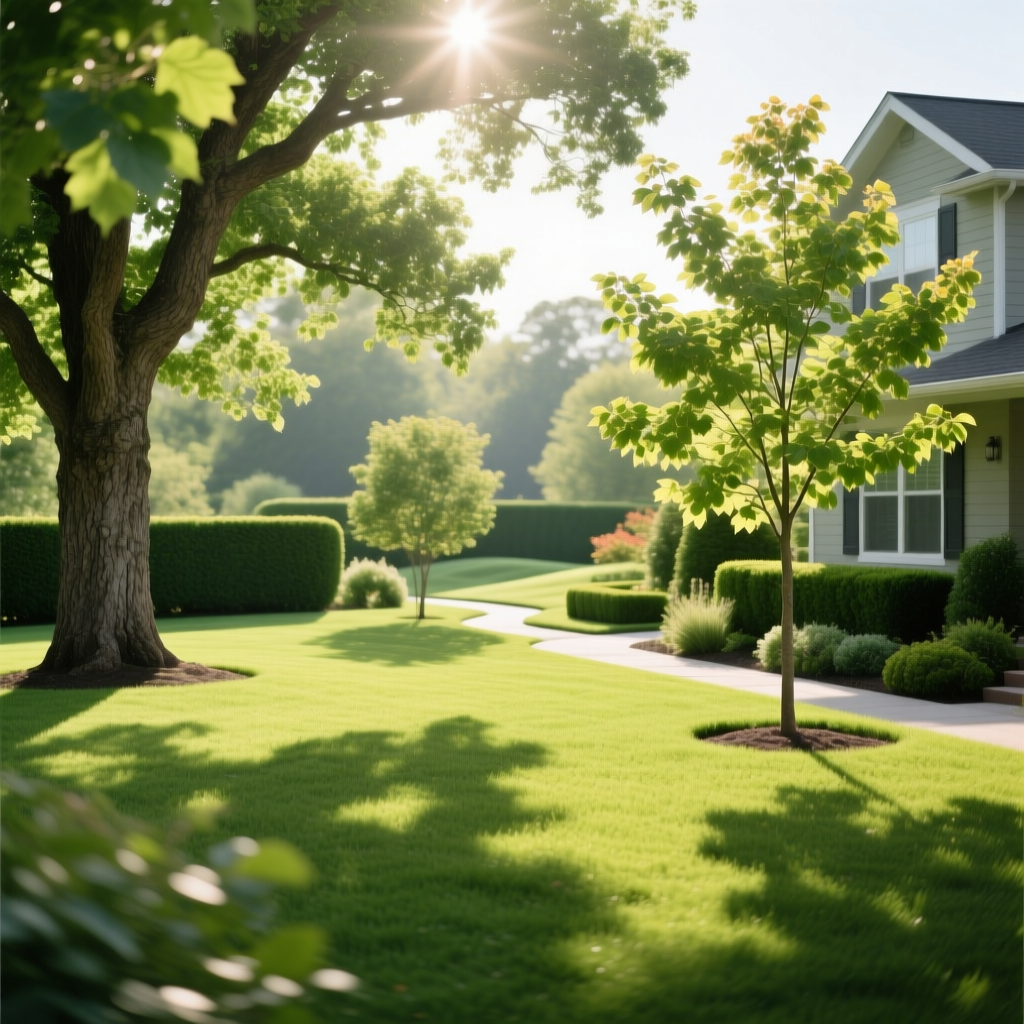
Strategic Tree Planting for Home Energy Conservation: A Complete Guide
Sarah ChenPublished
When homeowners think about reducing their energy bills, they often focus on upgrading insulation, installing smart thermostats, or replacing drafty windows. However, one of the most effective, visually appealing, & environmentally friendly methods of home energy conservation is growing right outside your front door. Strategic tree planting is a powerful landscaping tool that can significantly alter the microclimate around your home, reducing the need for artificial heating & cooling throughout the year.
Trees act as natural climate control systems. During the sweltering summer months, a well-placed canopy can block harsh solar radiation & cool the surrounding air through a process called evapotranspiration. In the winter, dense evergreen windbreaks can shield your home from freezing winds, drastically reducing heat loss. According to energy experts, a thoughtfully designed landscape can reduce a home's cooling costs by up to 25% & heating costs by up to 20%.
However, achieving these energy-saving benefits requires more than just digging a hole & dropping in a sapling. It demands a deep understanding of solar angles, wind patterns, tree biology, & long-term horticultural care. In this comprehensive guide, we will explore the science behind selecting & planting trees for home energy conservation, ensuring your landscape works as hard as possible to keep your home comfortable & your utility bills low.
Selecting the Right Trees for Energy Efficiency
The foundation of an energy-efficient landscape lies in choosing the correct species for your specific climate zone & conservation goals. Not all trees provide the same benefits, & understanding the distinction between deciduous & evergreen trees is critical for maximizing solar gain in the winter & maximizing shade in the summer.
The Power of Deciduous Trees for Summer Shade
Deciduous trees, which shed their leaves in the autumn, are the undisputed champions of summer cooling. Their broad, expansive canopies act like giant umbrellas, intercepting solar radiation before it can strike your roof, windows, & siding. But their true genius lies in their seasonal cycle. Because they drop their leaves in the winter, they allow the sun's low-angled rays to pass through their bare branches & warm your home during the colder months. This passive solar heating is a cornerstone of energy-efficient home design.
When selecting deciduous trees for shading, look for species with a broad, spreading canopy & a relatively high mature height. Oaks, maples, sycamores, & zelkovas are excellent choices. You want a tree that will eventually cast a wide shadow over your home without its lower branches scraping against your roof or blocking your windows entirely. For a deeper dive into getting your new trees started, consult our comprehensive tree planting guide.
Evergreens for Winter Windbreaks
While deciduous trees manage the sun, evergreen trees manage the wind. Cold winter winds can strip heat from the exterior of your home & force cold air through microscopic gaps in your weatherstripping. A well-designed windbreak can reduce wind speeds by up to 50% over a distance equal to ten times the height of the trees.
For windbreaks, select dense, cold-hardy evergreens such as spruces, pines, junipers, & arborvitae. Unlike deciduous trees used for shade, windbreak trees should have branches that extend all the way to the ground to prevent wind from funneling underneath the canopy. The ideal windbreak has a density of about 50% to 60%; if the planting is too solid, the wind will simply tumble over the top & create turbulent, damaging downdrafts on the leeward side of your home.
Strategic Placement & Planting Techniques
Even the most perfectly selected tree will fail to conserve energy if it is planted in the wrong location. Strategic placement requires an understanding of the sun's arc across the sky, the prevailing wind directions in your region, & the architectural layout of your property.
Mastering the Solar Window
To maximize summer shade, you must target the areas of your home that receive the most intense solar radiation. In the Northern Hemisphere, the south & west-facing walls & windows absorb the majority of the sun's heat. Planting large deciduous trees on the south & southwest sides of your home will block the high summer sun. Conversely, you should avoid planting tall, dense evergreens on the south side of your home, as they will block the valuable winter sun & increase your heating bills.
Distance from the house is equally important. Plant shade trees far enough away so that their mature canopy will overhang the roof, but not so close that their roots threaten your foundation or their branches damage your shingles during storms. A general rule of thumb is to plant large trees at least 15 to 20 feet away from the structure.
Shading Hardscapes & the AC Unit
Energy conservation isn't just about shading the house itself; it's also about managing the thermal mass of your surrounding landscape. Concrete driveways, asphalt paths, & stone patios absorb massive amounts of heat & radiate it back toward your home, creating a localized heat island effect. Planting deciduous trees to shade these hardscapes can significantly lower the ambient temperature around your home's perimeter.
Many homeowners also attempt to shade their outdoor air conditioning condenser units to improve efficiency. While an AC unit operating in the shade can run slightly more efficiently, you must be incredibly careful. Trees planted too closely will restrict airflow, drop leaves & debris into the condenser coils, & ultimately cause the unit to overheat & fail. If you choose to shade your AC unit, plant the tree at least 10 feet away to ensure adequate clearance for air intake & maintenance access.
Proper Planting for Long-Term Vigor
An energy-saving tree must be healthy to produce a dense canopy. When planting, ensure the root flare is level with or slightly above the surrounding soil grade. Planting too deeply is a leading cause of tree decline, which will ruin your shade plans before they even begin. Amend the backfill soil with organic compost to encourage rapid root establishment, & water deeply to eliminate air pockets. If you are integrating trees into an existing turf area, be sure to read our guide on managing shade on your lawn to ensure your grass & trees coexist peacefully.
Care Requirements & Pruning for Optimal Shade
Once your trees are established, ongoing care is essential to maintain the dense foliage required for effective solar blocking & evapotranspiration. A stressed tree will produce a thin, sparse canopy, allowing harmful UV rays & heat to penetrate your home.
Watering & Mulching for Canopy Density
Trees cool the air through evapotranspiration, a process where water is drawn up through the roots & released as vapor through the leaves. This biological air conditioning requires a massive amount of water. During periods of summer drought, your shade trees will prioritize their own survival over canopy expansion, often dropping leaves prematurely to conserve moisture. To prevent this, implement a deep-watering schedule during dry spells, providing 1 to 1.5 inches of water per week.
Applying a 2-to-3-inch layer of organic mulch around the base of the tree (keeping it away from the trunk to prevent rot) will retain soil moisture, regulate root temperatures, & suppress competing weeds. This ensures the tree has the resources needed to push out a thick, lush canopy capable of casting deep, cooling shade.
Pruning for Airflow & Structural Integrity
Pruning is a vital component of energy-efficient tree care, but it must be done with a specific goal in mind. You want a canopy that is dense at the top to block the sun, but elevated at the bottom to allow cooling summer breezes to flow underneath the branches & toward your home's windows.
This technique, known as crown raising, involves selectively removing the lower limbs of the tree as it matures. Additionally, crown thinning—the selective removal of interior branches—can allow gentle breezes to pass through the canopy rather than being completely blocked by it. However, avoid over-thinning, as this reduces the total leaf surface area available for shading & evapotranspiration. For detailed instructions on making the correct cuts, review our tutorial on pruning basics.
Protecting Energy-Saving Trees from Diseases & Pests
A dead or dying tree provides zero energy-saving benefits. In fact, a sudden loss of canopy due to disease or pest infestation can cause a shocking spike in your summer cooling bills. Protecting your trees from biological threats is an investment in your home's energy efficiency.
Identifying Common Canopy Threats
Insect pests like aphids, scale insects, & borers can severely weaken a tree, causing leaf curl, premature defoliation, & branch dieback. The emerald ash borer, for example, has decimated ash populations across many regions, wiping out decades of established shade in just a few short years. Fungal diseases such as anthracnose, powdery mildew, & verticillium wilt can also strip a tree of its leaves right in the middle of July, exactly when you need the shade the most.
Prevention is always more cost-effective than treatment. Maintain tree vigor through proper watering & mulching, as stressed trees emit chemical signals that actually attract wood-boring insects. Avoid damaging the trunk with lawnmowers or string trimmers, as open wounds provide easy entry points for fungal spores.
Monitoring & Professional Intervention
Conduct regular visual inspections of your shade trees. Look for signs of trouble such as oozing sap, sawdust-like frass at the base of the trunk, undersized leaves, or branches that fail to leaf out in the spring. If you notice these symptoms, early intervention is key. Systemic insecticides or targeted fungicides can often save a compromised tree if applied promptly. For help diagnosing specific issues, utilize our pest & disease identification resource, or consult with a certified arborist who can provide a professional treatment plan.
Seasonal Tips for Maximizing Energy Conservation
The role of your landscape in home energy conservation shifts with the seasons. Adapting your tree care routine to match the time of year ensures that your landscape is always working in harmony with your home's heating & cooling needs.
Spring & Summer: Maximizing the Cooling Effect
In the spring, focus on fertilizing & preparing your trees for the heavy metabolic demands of summer. A balanced, slow-release fertilizer applied as the buds break will encourage vigorous leaf production. As summer sets in, monitor soil moisture closely. Remember that the cooling effect of evapotranspiration is entirely dependent on the tree's access to water. If the soil dries out, the tree closes its stomata, & the natural air-conditioning effect stops immediately.
Fall & Winter: Managing Solar Gain & Windbreaks
As autumn arrives & deciduous trees drop their leaves, your goal shifts from blocking the sun to inviting it in. Rake fallen leaves away from the south-facing windows & solar panels to ensure maximum solar gain during the winter. Interestingly, managing these fallen leaves is also a crucial part of fall lawn maintenance, preventing turf suffocation while clearing the solar window for your home.
For your evergreen windbreaks, winter care involves protecting them from heavy snow loads & desiccating winds. Wrapping young, vulnerable evergreens in burlap can prevent winter burn, ensuring they remain dense & healthy enough to deflect freezing winds away from your home's north-facing walls. By maintaining your windbreaks, you ensure that the bitter winter winds are filtered & slowed before they ever reach your siding.
Frequently Asked Questions
How much can trees actually reduce my energy bills?
Studies conducted by environmental energy agencies have shown that strategic placement of just three large deciduous trees around a home can reduce summer air conditioning costs by 10% to 25%. Similarly, a well-designed evergreen windbreak can lower winter heating costs by 10% to 20%. The exact savings depend on your local climate, the size of your home, the efficiency of your HVAC system, & the maturity of the tree canopy.
What are the best fast-growing trees for quick shade?
While it is tempting to plant fast-growing species like silver maple, willow, or poplar to get immediate shade, these trees often have weak wood, shallow root systems, & short lifespans. They are highly susceptible to storm damage & disease, which can lead to costly removals & sudden loss of shade. A better strategy is to plant a mix of moderate-to-slow-growing, long-lived shade trees (like red oak or ginkgo) alongside a few shorter-lived, faster-growing species. The fast growers will provide temporary shade while the permanent canopy establishes itself.
Can planting trees too close to my house cause damage?
Yes. Planting trees too close to your home can lead to severe structural & aesthetic issues. Large roots can heave sidewalks, crack foundations, & invade underground plumbing lines. Overhanging branches can damage roofing materials, clog gutters with debris, & provide a bridge for rodents & insects to enter your attic. Always research the mature width & root spread of a tree species before planting, & maintain a safe distance of at least 15 to 20 feet for large species.
Should I shade my outdoor air conditioning unit with a tree?
Shading an AC condenser can theoretically improve its efficiency by lowering the ambient air temperature around the coils. However, the tree must be planted far enough away (at least 10 feet) so that it does not restrict airflow, drop debris into the fan, or hinder a technician's ability to service the unit. If a tree blocks the intake or exhaust of the condenser, the unit will have to work harder, completely negating any energy savings & potentially shortening the lifespan of the compressor. In most cases, shading the house itself is a much safer & more effective strategy than trying to shade the AC unit.

