Tree Care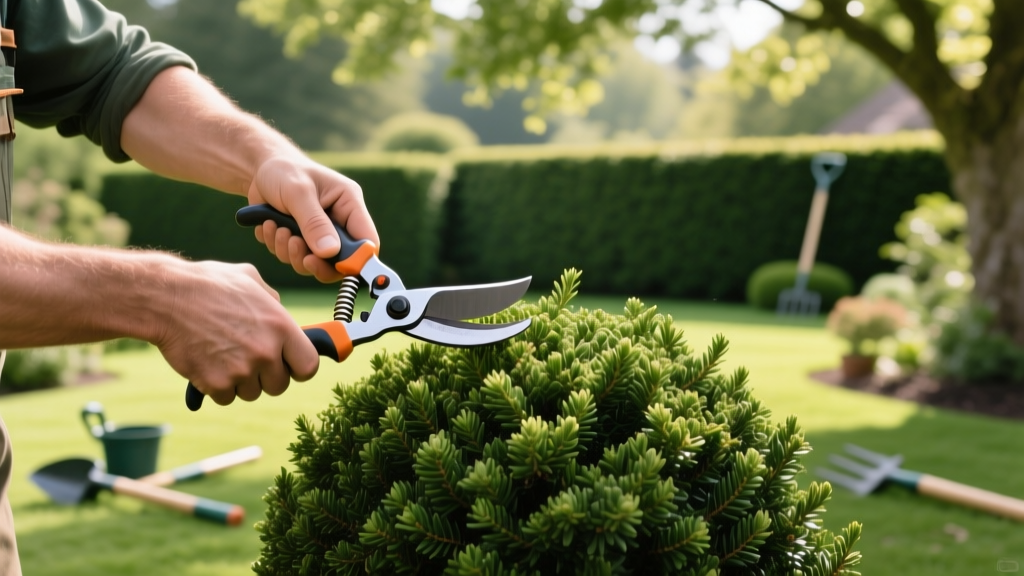
Shaping Shrubs and Bushes: A Beginner's Step-by-Step Guide
Shaping shrubs and bushes is where basic yard maintenance transitions into true landscape design. While pruning focuses on plant health—removing dead wood and crossing branches—shaping is the deliberate manipulation of a plant's growth habit to achieve a specific aesthetic form. For beginners, the line between a beautifully manicured foundation planting and a hacked, stressed shrub often comes down to tool selection, timing, and understanding apical dominance.
This guide strips away the jargon and provides a precise, actionable framework for shaping your landscape shrubs, complete with specific tool recommendations, botanical timing charts, and structural rules that prevent long-term damage.
The Right Tools for Shaping Shrubs and Bushes
Using the wrong tool is the fastest way to ruin a shrub's form and invite disease. Anvil pruners crush live tissue, creating jagged wounds that heal slowly and attract pathogens. For shaping live wood, you need high-carbon steel bypass blades that slice cleanly. Here is the essential toolkit for 2026, based on durability, ergonomics, and cut quality.
| Tool Type | Recommended Model | Best Use Case | Approx. Price (2026) |
|---|---|---|---|
| Bypass Hand Pruner | Felco F-2 Classic | Stems up to 1 inch thick; precision heading cuts | $65 - $75 |
| Hedge Shears | ARS HS-K1000 Lightweight | Shearing soft new growth on boxwoods and yews | $85 - $95 |
| Bypass Lopper | Corona SL 3264 ComfortGEL | Thinning interior branches up to 2 inches thick | $45 - $55 |
| Pruning Saw | Silky Gomboy 210 | Cutting old, woody trunks during rejuvenation | $50 - $60 |
Pro Tip: Blade Maintenance
High-carbon steel holds a razor edge far longer than stainless steel, but it will rust if neglected. After every shaping session, wipe the blades with a rag soaked in mineral spirits to remove sap, then apply a single drop of 3-in-One oil to the pivot point and blade edge before storing.
High-carbon steel holds a razor edge far longer than stainless steel, but it will rust if neglected. After every shaping session, wipe the blades with a rag soaked in mineral spirits to remove sap, then apply a single drop of 3-in-One oil to the pivot point and blade edge before storing.
When to Shape: Timing by Shrub Species
Timing is the most critical variable in shaping shrubs and bushes. Cut a spring-flowering shrub at the wrong time, and you will sever the flower buds it spent the previous summer developing. According to University of Minnesota Extension, the general rule is to prune spring bloomers immediately after they finish flowering, and summer bloomers during late winter dormancy.
Seasonal Shaping Matrix
| Shrub Species | Flowering Habit | Ideal Shaping Window | Risk of Late Pruning |
|---|---|---|---|
| Azalea & Rhododendron | Old Wood (Spring) | Within 3 weeks after blooms fade | Removes next year's flower buds |
| Hydrangea macrophylla | Old Wood (Summer) | Late summer, immediately after flowering | Eliminates next season's blooms |
| Boxwood & Yew | Non-flowering focus | Early spring (post-frost) and light touch-up in early fall | Fall cuts may not harden off before winter freeze |
| Butterfly Bush (Buddleja) | New Wood (Summer) | Late winter / early spring (can be cut to 12 inches) | None; promotes vigorous new flowering stems |
The 3-Step Framework for Shaping Shrubs
Beginners often grab hedge shears and immediately start hacking at the outside of the bush. This creates a thick outer canopy that blocks sunlight from the interior, leading to a dead, hollow center. Follow this three-step sequence to shape shrubs and bushes while maintaining their physiological health.
Step 1: The Skeleton Cut (Interior Thinning)
Before altering the outer shape, open the interior. Use your loppers or hand pruners to remove dead wood, diseased branches, and stems that are rubbing against each other. Cut these branches all the way back to their point of origin (the main trunk or a larger lateral branch). This improves airflow, reducing the humidity that fosters fungal diseases like powdery mildew.
Step 2: The Directional Cut (Structural Shaping)
This is where you dictate the plant's future growth. When making a cut on a live branch, locate a leaf node (the bump where a bud emerges). Make your cut at a precise 45-degree angle, exactly 1/4 inch above an outward-facing bud. The new branch will grow in the direction that bud is pointing. By selecting outward-facing buds, you force the shrub to grow wider rather than tangling inward.
Step 3: The Profile Cut (Aesthetic Shearing)
Only after the interior is thinned and the primary branches are directed should you use hedge shears for the final profile. When shearing hedges or foundation bushes like boxwood, you must adhere to the A-Frame Rule.
The A-Frame Rule for Hedge Shaping
A shaped shrub must always be wider at the base than at the top. If you shear a hedge straight up and down, or worse, wider at the top, the upper branches will cast shade on the lower branches. The lower foliage will defoliate, leaving you with a bare, leggy base. Taper the sides inward by roughly 10% to 15% from bottom to top to ensure sunlight reaches the soil line.
A shaped shrub must always be wider at the base than at the top. If you shear a hedge straight up and down, or worse, wider at the top, the upper branches will cast shade on the lower branches. The lower foliage will defoliate, leaving you with a bare, leggy base. Taper the sides inward by roughly 10% to 15% from bottom to top to ensure sunlight reaches the soil line.
Common Beginner Mistakes and How to Avoid Them
Even with the right tools, improper technique can stress a plant beyond recovery. The North Carolina State Extension highlights several frequent errors made by homeowners attempting to shape their landscapes.
- The "Meatball" Effect: Shearing every shrub into a perfect sphere ignores the plant's natural weeping or upright habit. Reserve formal shearing for species that tolerate it (yew, boxwood, privet). For loose, flowering shrubs like spirea or weigela, use hand pruners to selectively cut stems at varying heights, preserving their natural, cascading architecture.
- Violating the One-Third Rule: Never remove more than 30% of a shrub's live foliage in a single dormant season. Stripping too much canopy shocks the root system, which suddenly lacks the photosynthetic energy required to sustain itself. If a shrub is massively overgrown, spread the rejuvenation pruning over two to three years.
- Leaving Stub Snags: Cutting a branch an inch or two away from the trunk leaves a "stub." Stubs lack the necessary collar tissue to heal over, leaving a permanent entry point for wood-boring insects and decay fungi. Always cut just outside the branch bark ridge and branch collar.
Frequently Asked Questions
Can I use power hedge trimmers to shape my shrubs?
Gas or battery-powered hedge trimmers are acceptable for maintaining large, formal hedges (like a 50-foot privet boundary), but they are too aggressive for detailed shaping of foundation shrubs. The rapid blades tend to chew and fray thicker stems rather than slicing them, leading to brown, dieback tips on the leaves. For shrubs under 4 feet tall, stick to manual ARS or Felco hand shears.
My shaped boxwood is turning brown in the center. What happened?
This is almost always caused by a lack of light and airflow due to a dense outer canopy. Stop shearing the exterior. Reach deep into the center of the boxwood with hand pruners and remove 15-20% of the interior branches right down to the main stems. This "windowing" technique allows UV light to penetrate the core, triggering dormant buds to push new green growth from the inside out.
Do I need to seal pruning cuts with tree paint?
No. Arboricultural research has conclusively proven that pruning sealants, paints, and waxes actually trap moisture and fungal spores against the wound, accelerating rot. A healthy shrub will naturally compartmentalize the wound and grow callus tissue over the cut within a single growing season, provided you used sharp, sanitized bypass tools.