
Tree Care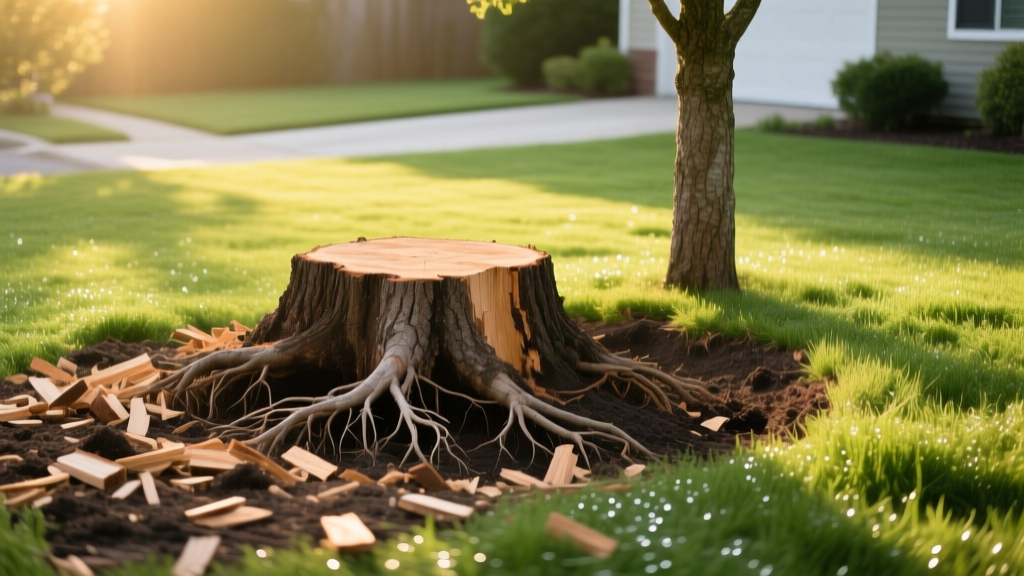
Stump Removal Options to Eliminate Pest and Weed Havens
The Hidden Biology of Leftover Stumps
A severed tree stump is not merely a landscaping obstacle; it is an active biological incubator. When a tree is felled and the stump remains, the exposed cambium and decaying heartwood create a microclimate that attracts destructive wood-boring insects and alters soil chemistry to favor aggressive weeds. According to the EPA Termite Prevention Guidelines, any wood-to-soil contact provides a direct bridge for subterranean termites to establish satellite colonies near your home's foundation. Furthermore, as the stump rots, it ties up localized soil nitrogen, triggering a flush of opportunistic weeds like nutsedge and bindweed that thrive in disturbed, nutrient-depleted earth.
Choosing the right stump removal options requires evaluating not just the physical extraction of the wood, but the subsequent pest mitigation and weed control required to stabilize the soil.
⚠️ Pest Warning: Carpenter ants (Camponotus spp.) do not eat wood but excavate it to build galleries. A damp, decaying stump is their ideal nesting site. Once established, these colonies frequently migrate from the stump into the structural timber of nearby sheds or home eaves. Source: University of Kentucky Entomology.
Stump Removal Options: Comparison Matrix
Before committing to a method, evaluate how each technique impacts pest eradication, soil health, and your budget. The table below breaks down the three primary removal strategies.
| Method | Timeframe | Average Cost | Pest Elimination | Weed Flush Risk |
|---|---|---|---|---|
| Mechanical Grinding | 1–3 Hours | $3–$5 per inch (Pro) or $150–$250/day (DIY) | High (removes nesting wood) | High (woodchips deplete nitrogen) |
| Chemical Decay (KNO3) | 4–8 Weeks | $12–$25 per stump | Moderate (accelerates fungal rot) | Moderate (alters soil salinity) |
| Manual Extraction | 3–6 Hours | $0 (Labor only) | Absolute (total root removal) | Low (clean soil backfill) |
Option 1: Mechanical Stump Grinding (The Immediate Fix)
Stump grinding uses a high-torque rotary cutting wheel to chip the stump down to 8–12 inches below grade. This is the most effective method for rapidly eliminating the above-ground nesting habitat for carpenter ants and powderpost beetles.
Equipment Specs and Execution
For DIY removal, rental yards typically stock tracked models like the Toro STX-38 or Vermeer SC30TX. These units feature 38-horsepower engines and cutting wheels that sweep laterally. As of 2026, daily rental rates at major equipment suppliers average $175 to $250, plus a $40 carbide-tooth replacement fee if you strike hidden rocks.
Professional arborists charge by the diameter inch. A 30-inch oak stump will cost between $90 and $150 to grind. The critical flaw of grinding is the aftermath: the machine leaves a crater filled with a 50/50 mix of soil and woodchips.
💡 Pro Tip: The Woodchip Nitrogen Trap
Do not leave the grindings in the hole. As the remaining woodchips decompose, soil microbes consume massive amounts of nitrogen to break down the carbon-heavy cellulose. This localized nitrogen deficiency weakens surrounding turf and invites nitrogen-fixing weeds like clover and vetch. Rake out 90% of the woodchips and backfill the hole with premium topsoil mixed with a slow-release 10-10-10 fertilizer.
Do not leave the grindings in the hole. As the remaining woodchips decompose, soil microbes consume massive amounts of nitrogen to break down the carbon-heavy cellulose. This localized nitrogen deficiency weakens surrounding turf and invites nitrogen-fixing weeds like clover and vetch. Rake out 90% of the woodchips and backfill the hole with premium topsoil mixed with a slow-release 10-10-10 fertilizer.
Option 2: Chemical Accelerants (Potassium Nitrate)
Chemical removal relies on accelerating the natural decay process, turning the wood spongy enough to break apart with a mattock. While internet forums frequently recommend Epsom salt (magnesium sulfate), this is largely ineffective for large stumps and can permanently damage surrounding soil structure through excessive salinization.
The KNO3 Application Protocol
The industry standard for chemical decay is Potassium Nitrate (KNO3), sold in products like Spectracide Stump Remover (typically 16 oz granules for ~$12). Potassium nitrate feeds the fungi and bacteria responsible for wood decay, speeding up the rotting process from years to weeks.
- Drill the Grid: Use a heavy-duty cordless drill with a 1-inch spade bit. Drill vertical holes 8 to 10 inches deep into the stump, spacing them 3 inches apart in a grid pattern. Angle the outer holes at 45 degrees to intersect the lateral roots.
- Fill and Hydrate: Pour the KNO3 granules into each hole until full. Add warm water to dissolve the chemical and carry it into the wood's vascular tissue.
- Seal the Stump: Cover the stump with a heavy-duty black polyethylene tarp, weighing down the edges with bricks. This traps moisture and heat, creating an ideal incubator for decay fungi.
After 6 to 8 weeks, the wood will be spongy. You can then chop it out manually. Note that this method does not immediately eliminate termite colonies; in fact, the increased moisture may temporarily attract them until the wood structure collapses.
Option 3: Manual Extraction for Complete Eradication
For stumps under 14 inches in diameter, manual extraction is the only method that guarantees the removal of the taproot and lateral anchor roots. This is the preferred playbook when replanting a new tree in the exact same location, as it removes the physical barrier and the lingering fungal pathogens (like Armillaria root rot) that could infect the new specimen.
The Trench-and-Sever Technique
According to the University of Minnesota Extension, manual removal requires exposing the root flare. Begin by digging a circular trench 18 inches away from the stump's base, going down 12 inches. Use a digging bar to pry up the stump, exposing the lateral roots. Sever roots thicker than 1 inch using a pruning saw or heavy-duty loppers (such as the Fiskars 32-inch PowerGear2). Once the lateral roots are cut, slide a 6-foot steel digging bar under the stump base to lever it out of the ground.
Post-Removal Soil Treatment: Stopping the Weed Flush
Regardless of the stump removal option you choose, the disturbed soil will experience a 'weed flush' within 30 days. Weed seeds that were dormant deep in the soil profile are brought to the surface and exposed to sunlight.
Pre-Emergent Application Timing
To prevent aggressive weeds like crabgrass and spurge from colonizing the bare dirt, apply a pre-emergent herbicide immediately after backfilling the hole with fresh soil. Prodiamine 65 WDG is a professional-grade option that provides up to 6 months of residual control. Apply at a rate of 0.35 ounces per 1,000 square feet, water it in with 0.5 inches of irrigation to activate the chemical barrier, and wait 60 days before seeding the area with new turfgrass.
Decision Framework: Which Option Fits Your Yard?
- Choose Mechanical Grinding if: You need the space cleared immediately for a hardscaping project, the stump is over 24 inches in diameter, and you are willing to manage the subsequent woodchip cleanup and soil amendment.
- Choose Chemical KNO3 if: The stump is in a remote corner of the yard, you are on a strict budget, noise ordinances prevent the use of a gas-powered grinder, and you have 2 months to wait before replanting.
- Choose Manual Extraction if: The stump is small (under 14 inches), you plan to plant a new tree or shrub in the exact same spot, or you need to guarantee the total eradication of a localized root-rot pathogen.
The Bottom Line: Leaving a stump to rot naturally is a liability. It shifts the pest pressure from the yard to your home's perimeter and degrades soil health. Selecting the right mechanical or chemical intervention stops the life cycle of wood-destroying organisms and resets the soil biology for healthy turf regeneration.

