Tree Care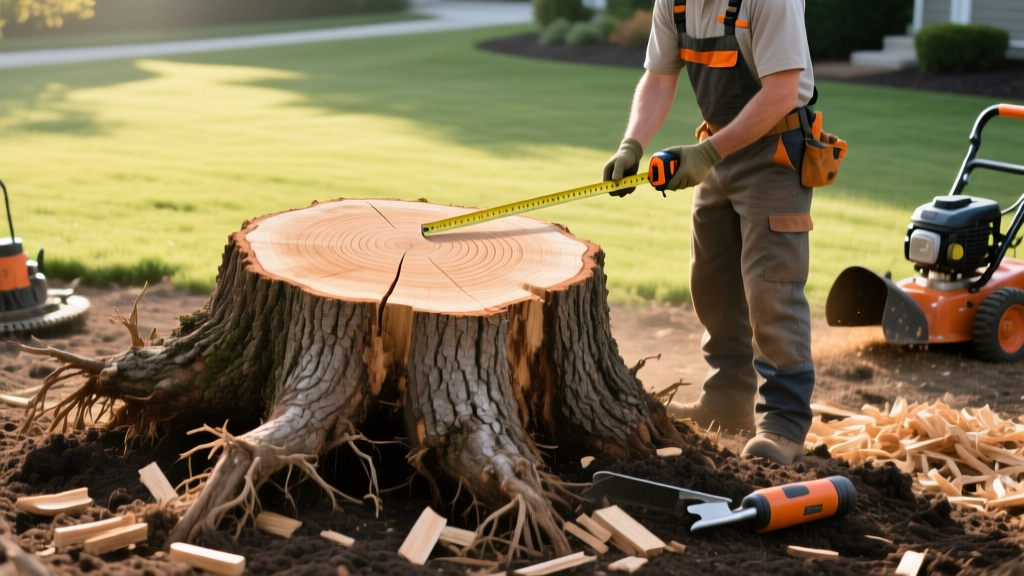
Stump Removal Prices: 2026 Cost Guide by Diameter & Method
2026 National Stump Removal Pricing Snapshot
Average Cost: $345 | Typical Range: $185 – $650 | Per-Inch Rate: $3.50 – $6.50
The True Cost of Stump Removal in 2026
Calculating accurate stump removal prices requires moving beyond basic online averages. As of 2026, rising diesel costs, equipment maintenance, and labor shortages have shifted the pricing structure for certified arborists. Most professional tree services now enforce a minimum service call fee of $175 to $250. This baseline fee typically covers mobilization and the grinding of a single stump up to 10 inches in diameter. After that threshold, pricing scales linearly based on the diameter measured at ground level.
According to industry data aggregated by Angi, the national average for stump grinding sits at $345, but this figure obscures the massive variance caused by wood density, site access, and root flare depth. To budget accurately, homeowners must evaluate their specific stump profile against the extraction method required.
Pricing Breakdown by Stump Diameter
The most common pricing model used by arborists is the per-inch rate. Measure the widest point of the stump at ground level, including any visible root flares, to estimate your baseline cost.
| Stump Diameter | Estimated Grinding Cost | Estimated Full Excavation Cost |
|---|---|---|
| 10 - 15 inches | $175 - $250 (Minimum Fee) | $450 - $700 |
| 16 - 24 inches | $250 - $400 | $750 - $1,200 |
| 25 - 36 inches | $400 - $650 | $1,300 - $2,200 |
| 37 - 50+ inches | $650 - $1,100+ | $2,500 - $4,500+ |
Hardwood vs. Softwood Multipliers
Not all stumps are priced equally. The species of the tree directly impacts the wear and tear on the stump grinder’s carbide-tipped cutting teeth.
- Softwoods (Pine, Spruce, Cedar): Grind quickly and easily. Expect to pay the base per-inch rate ($3.50 - $4.50).
- Hardwoods (Oak, Hickory, Locust): Dense grain and embedded silica dull cutting teeth rapidly. Arborists typically apply a 15% to 25% surcharge for mature hardwood stumps to account for accelerated equipment depreciation and increased grinding time.
Method Comparison: Grinding vs. Chemical vs. Manual
Stump grinding is the industry standard, but it is not the only option. The University of Minnesota Extension notes that the ideal removal method depends entirely on your future landscaping plans and budget.
1. Mechanical Stump Grinding (Best for Re-sodding)
A professional grinder (like the Vermeer SC362 or Toro STX-38) uses a high-speed rotating carbide wheel to chip the stump into mulch down to 6–12 inches below grade.
- Cost: $3.50 – $6.50 per inch.
- Timeframe: 15 to 45 minutes per stump.
- Limitation: Leaves the deep taproot and lateral root system intact to decay naturally over 5–10 years.
2. Chemical Decay Acceleration (Best for Tight Budgets)
This involves drilling deep holes into the stump and filling them with potassium nitrate (found in products like Spectracide Stump Remover). The chemical feeds wood-decaying fungi and bacteria, accelerating rot.
- Cost: $12 – $20 for chemical supplies (DIY).
- Timeframe: 4 to 8 weeks for the wood to become spongy enough to chop with a mattock.
- Limitation: Highly labor-intensive final removal; potassium nitrate can temporarily alter soil pH, affecting immediate replanting.
3. Full Root Ball Extraction (Best for Hardscaping)
If you plan to pour a concrete patio or install a pool, grinding is insufficient. You must extract the entire root plate using a mini-excavator (e.g., Kubota KX040) and manual root severing.
- Cost: $150 – $250 per hour for equipment and operator; total bills frequently exceed $1,500.
- Timeframe: 2 to 6 hours.
- Limitation: Destroys surrounding turf and leaves a massive crater requiring cubic yards of fill dirt.
Warning: The "Gate Access" Surcharge
Standard commercial stump grinders require a minimum clearance of 36 inches to pass through fences. If your backyard gate is narrower, or if the stump is located in a zero-lot-line side yard, the arborist must either use a specialized narrow-track unit (like the Carlton SP3315, which fits through 24-inch gaps) or manually dismantle and rebuild the fence. Expect an accessibility surcharge of $100 to $300 for narrow-clearance properties.
Hidden Fees That Inflate Your Final Bill
When soliciting quotes for stump removal prices, homeowners are often caught off guard by line items that were not included in the initial per-inch estimate. Always clarify the following variables before signing a contract:
- Debris Haul-Away vs. Chip Spreading: Grinding a 30-inch oak stump generates roughly 15 to 20 cubic feet of wood chips. Leaving the chips on-site as mulch is usually free. Hauling them away to a green waste facility adds $75 to $150 in tipping fees and labor.
- Surface Root Grinding: The per-inch rate applies to the main trunk. If the tree has aggressive surface roots (common with Silver Maples and Willow Oaks) extending 10 feet away from the stump, arborists will charge an additional $2 to $4 per linear foot to grind these lateral roots flush with the soil.
- Soil Backfill and Grading: Grinders leave a hole filled with loose wood chips. As chips decompose, they shrink, causing the ground to sink. Professional backfilling with topsoil and grading for new sod costs an extra $50 to $100 per stump.
DIY vs. Professional Extraction: The Break-Even Point
Renting a walk-behind stump grinder from a local equipment yard (such as a Sunbelt Rentals or Home Depot) typically costs between $150 and $225 per day, plus a $50 delivery fee and fuel costs.
When DIY makes financial sense: If you have three or more softwood stumps under 20 inches in diameter clustered in an open, easily accessible yard, renting a machine will save you roughly 40% compared to hiring a professional crew.
When you must hire a professional: If the stump is within 5 feet of a gas line, water main, or fiber-optic conduit, the risk of striking a utility line with a rental grinder is catastrophic. Professionals use ground-penetrating radar or call 811 to mark utilities before grinding. Furthermore, if the stump is on a slope exceeding 15 degrees, walk-behind rental grinders become severe rollover hazards; tracked professional units are mandatory for safety.
Frequently Asked Questions
Does stump grinding kill the remaining roots?
No. Grinding only removes the visible trunk and the immediate root flare. The lateral root system remains alive for several months before starving and decaying. If the tree was a species prone to suckering (like Bradford Pear or Tree of Heaven), you may need to apply a systemic herbicide like triclopyr to the freshly ground surface to prevent root sprouts.
Can I plant a new tree in the exact same spot after grinding?
It is not recommended to plant directly in the grind hole immediately. The decomposing wood chips will tie up nitrogen in the soil and create air pockets that cause the new tree's root ball to sink. Wait at least one full season for the chips to settle, or excavate the chip-filled hole entirely and replace it with native topsoil before replanting.