
Tree Care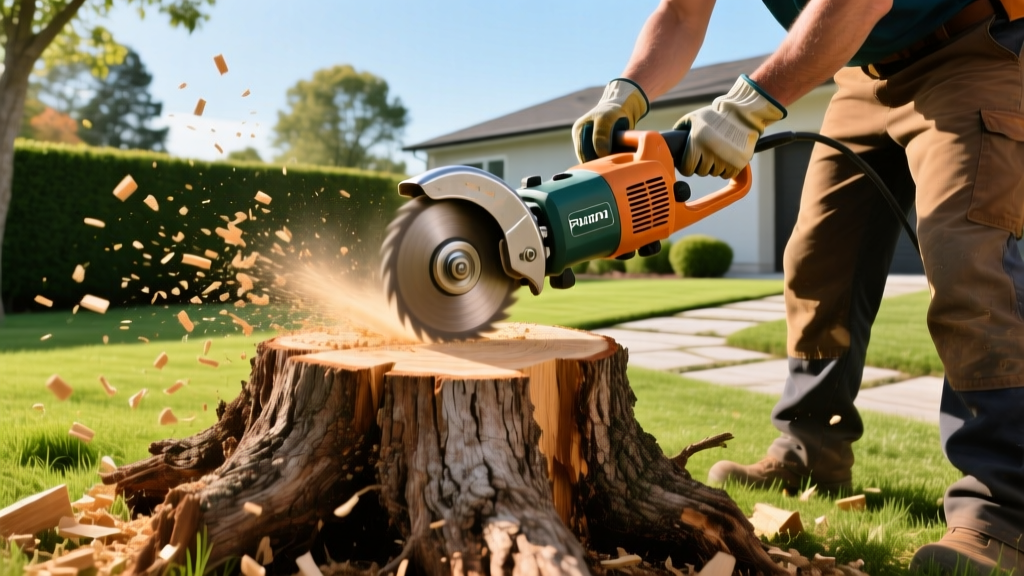
Stump Root Removal Guide: Grinding vs. Chemical Decay Costs
Anatomy of a Leftover Stump Root System
When a tree is felled, the visible stump is only the tip of the iceberg. The stump root junction (or root flare) is a dense, highly lignified mass where the trunk transitions into the structural lateral roots and taproot. While 80% of a tree's fine feeder roots exist in the top 12 inches of soil, the structural stump root can extend 3 to 6 feet deep depending on the species and soil compaction. Leaving this mass intact without a management plan leads to three primary issues: aggressive root suckering, fungal transmission to nearby healthy trees via root grafts, and physical barriers to future hardscaping.
According to the University of Minnesota Extension, the chosen removal method must align with your timeline, budget, and future landscaping goals. Below is a technical breakdown of the three primary stump root removal strategies available to homeowners and contractors.
Decision Matrix: Grind, Extract, or Decay?
Select the appropriate method based on your site constraints. Mechanical extraction is best for immediate replanting, while chemical decay suits remote, low-traffic areas.
| Method | Best Application | Avg. Cost (2026) | Timeline |
|---|---|---|---|
| Mechanical Grinding | Lawns, patios, quick replanting | $4 - $6 per diameter inch | 1 - 2 hours |
| Manual/Winch Extraction | Small stumps (<15"), tight fence lines | $50 - $150 (DIY tool rental) | 3 - 5 hours |
| Chemical Acceleration | Wooded edges, budget constraints | $15 - $30 (Materials) | 6 - 14 months |
Method 1: Mechanical Stump Grinding (The Industry Standard)
Stump grinding does not remove the entire stump root system; it pulverizes the root flare and upper taproot into woodchips. Professional arborists typically use tracked grinders (like the Vermeer SC362) to minimize turf damage while delivering high torque to the cutting wheel.
Depth Specifications and Soil Remediation
A standard grind reaches 6 to 8 inches below grade. However, if you plan to replant a tree in the exact same location, request a deep grind to 12-16 inches. This clears the central taproot channel, allowing new soil to settle without hitting a solid wood barrier.
⚠️ Nitrogen Robbery Warning: Do not backfill the grinding crater with the leftover woodchips. As the chips decay, soil microbes consume massive amounts of nitrogen to break down the high-carbon wood, starving surrounding turf or new plants. Remove the chips and backfill the void with a 50/50 mix of native soil and compost.
Method 2: Manual and Mechanical Extraction
For stumps under 18 inches in diameter, or in areas where a grinder cannot fit (e.g., narrow side yards between fences), mechanical leverage is the cleanest way to extract the entire stump root ball.
Step-by-Step Winch Extraction
- Sever the Laterals: Use a reciprocating saw (e.g., Milwaukee M18 Hackzall with a 9-inch bi-metal pruning blade) to cut all lateral roots 2 to 3 feet away from the central stump. Dig a narrow trench to expose these roots before cutting.
- Anchor the Winch: Secure a 4-ton capacity come-along winch or a heavy-duty ratchet strap to a mature, healthy anchor tree or a vehicle hitch. Protect the anchor tree's bark with a wide nylon tree-saver strap.
- Apply Leverage: Attach the winch cable to the base of the stump root. As tension builds, use a 6-foot steel digging bar as a fulcrum under the stump to pop the taproot out of the soil.
- Clean the Crater: Once extracted, shave off the remaining soil from the root ball using a mattock. Backfill the massive void left behind, tamping the soil every 4 inches to prevent future sinking.
Method 3: Chemical Acceleration (Potassium Nitrate)
If time is not an issue and you want to avoid heavy equipment, you can accelerate the natural decay of the stump root using potassium nitrate. This method alters the carbon-to-nitrogen ratio inside the wood, triggering rapid fungal colonization.
The Clemson University Home & Garden Information Center notes that chemical removal is highly dependent on moisture and temperature, working fastest during warm, wet spring months.
The Drill-and-Soak Technique
- Preparation: Cut the stump as close to the ground as possible. Use a chainsaw to score a 1-inch deep grid across the top surface to increase absorption.
- Drilling: Using a 1-inch spade bit, drill holes 10 to 12 inches deep into the stump root. Space the holes 3 inches apart, angling them slightly outward to penetrate the lateral root flare.
- Application: Fill each hole to the brim with a high-concentration potassium nitrate stump remover (such as Spectracide Stump Remover).
- Activation: Pour hot water over the stump to dissolve the granules and carry the chemical deep into the root vascular system. Cover the stump with a black plastic tarp to trap heat and moisture.
Managing the "Zombie" Suckering Problem
Certain species possess highly aggressive adventitious buds on their stump root systems. If you grind or cut these trees without chemical intervention, the remaining roots will push up dozens of "suckers" (water sprouts) for up to three years.
High-Risk Suckering Species
| Species | Suckering Aggression | Recommended Herbicide |
|---|---|---|
| Tree of Heaven | Extreme (Can spread 50ft+) | Triclopyr (Garlon 4) |
| Bradford Pear | High | Triclopyr + 2,4-D |
| Poplar / Aspen | High (Clonal colonies) | Glyphosate (41% concentrate) |
| Elm (Siberian/American) | Moderate to High | Triclopyr (Ortho Brush-B-Gon) |
Application Protocol: To prevent suckering, apply a 20% solution of triclopyr herbicide directly to the outer 2 inches of the freshly cut stump root flare (the cambium layer) within 15 minutes of cutting or grinding. Do not apply to the dead heartwood in the center of the stump, as it will not translocate the chemical down to the lateral roots.
Post-Removal Soil Recovery
Once the stump root is physically removed or chemically neutralized, the surrounding soil requires remediation. The decaying root mass will leave behind large air pockets as it eventually breaks down. To prevent sinkholes in your lawn, core aerate the surrounding 10-foot radius and apply a half-inch topdressing of compost annually for the first two years. This settles the soil gradually and restores the mycorrhizal fungal networks disrupted by the removal process.

