
Tree Care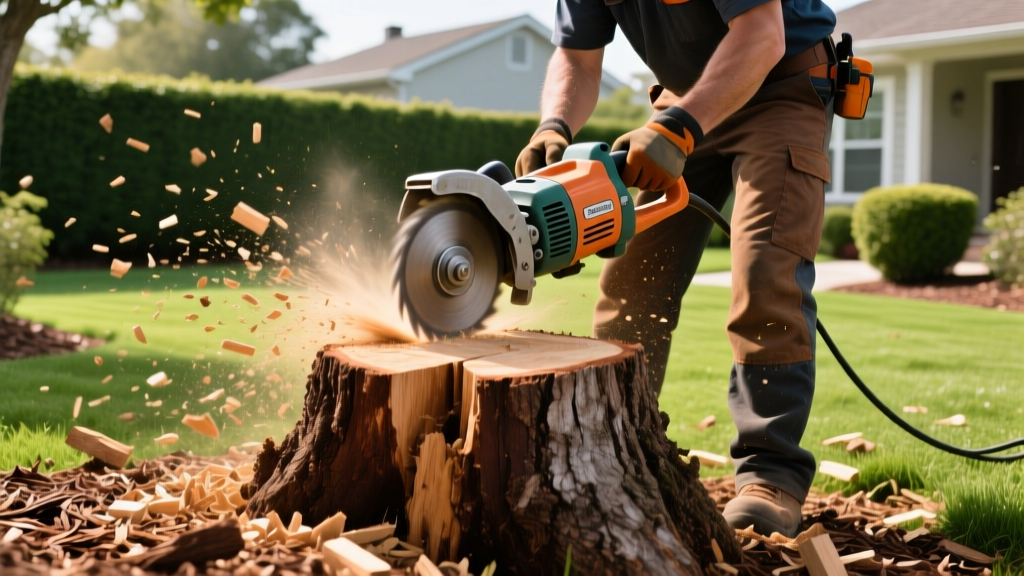
How to Take Out a Tree Stump: Grinding vs. Chemical Methods
The Hidden Costs of Ignoring Tree Stumps
Leaving a severed tree trunk in your yard invites structural and biological complications. Decaying stumps act as primary hosts for Armillaria mellea (oak root fungus), which can spread via rhizomorphs to infect nearby healthy trees. Furthermore, regrowth from the root collar—particularly in aggressive species like Tree of Heaven, Mulberry, and Willow—requires years of persistent herbicide applications. When homeowners decide to take out tree stump remnants, the chosen method dictates the timeline, budget, and subsequent soil health. This guide breaks down the exact mechanics, 2026 market costs, and biological impacts of the three primary extraction methods.
Decision Matrix: Which Method Fits Your Scenario?
- Stump Diameter > 24 inches & Immediate Replanting Needed: Mechanical Stump Grinding.
- Stump Diameter < 15 inches & Budget is Under $50: Chemical Accelerated Decay (Potassium Nitrate).
- Stump Diameter < 12 inches & Shallow Root System (e.g., Pine): Manual Extraction via Digging Bar.
- Stump Located Within 3 Feet of a Retaining Wall or Foundation: Chemical Decay (Grinding vibration risks masonry integrity).
Method 1: Mechanical Stump Grinding (The Pro Standard)
Stump grinding utilizes a high-torque carbide-tipped cutting wheel to chip the trunk and lateral roots down to 10-14 inches below grade. For residential properties, tracked grinders like the Vermeer SC30TX or Husqvarna SG343 are the industry standard, offering a 30-35 HP engine and a cutting depth of up to 12 inches.
2026 Cost Breakdown & Hiring Metrics
As of 2026, national average rates for professional stump grinding range from $4.50 to $7.00 per inch of diameter. A 30-inch oak stump will typically cost between $135 and $210 to grind. However, most arborists enforce a minimum trip charge of $150 to $250. Always verify that the contractor's quote includes root flare grinding—many budget operators only grind the central bole, leaving the structural buttress roots intact just below the topsoil, which will obstruct future sod laying or patio installation.
The Poison Ivy Aerosolization Hazard
Critical Safety Warning: If the stump is wrapped in Poison Ivy, Poison Oak, or Poison Sumac, never use a mechanical grinder. The cutter wheel atomizes the urushiol oil into a microscopic aerosol. Inhaling urushiol particles causes severe pulmonary inflammation and ocular damage. Treat the vines with a triclopyr-based herbicide, wait 30 days for complete necrosis, and proceed with manual extraction or chemical decay instead.
Method 2: Chemical Accelerated Decay
Chemical removal does not dissolve wood instantly; it accelerates the natural fungal decay process by altering the cellular structure and nutrient profile of the wood. The two primary agents are Potassium Nitrate and Magnesium Sulfate (Epsom Salt).
Potassium Nitrate (Commercial Stump Removers)
Products like Bonide 220 Stump-Out utilize 100% potassium nitrate. This chemical acts as a massive nitrogen spike, feeding wood-decaying fungi and bacteria, turning solid lignin into spongy, easily chopable pulp within 4 to 6 weeks.
- Drill Pattern: Use a 1-inch spade bit to drill holes 10 inches deep into the stump. Angle the outer holes at 45 degrees toward the center to create a subterranean reservoir.
- Application: Fill each hole to within 1 inch of the rim with potassium nitrate granules.
- Activation: Pour hot water into the holes to dissolve the granules. Cap the stump with a black plastic tarp and mulch to trap heat and moisture.
- Extraction: After 6 weeks, the wood will be spongy. Use a Pulaski axe or mattock to chop out the decayed material.
Epsom Salt (Magnesium Sulfate) Alternative
Epsom salt works via desiccation. It draws moisture out of the wood cells, killing the living cambium layer and preventing root suckering. While cheaper than commercial removers, it takes 6 to 12 months to fully kill and dry out a mature stump. It is best reserved for small stumps where budget is the primary constraint and time is not a factor.
Method 3: Manual Extraction (For Stumps Under 12 Inches)
For smaller stumps, manual leverage is highly effective and preserves the surrounding topsoil. You will need a 72-inch San Angelo digging bar (approx. 15 lbs) and a heavy-duty pruning saw.
- Excavate a trench 2 feet wide and 1.5 feet deep around the entire circumference of the stump.
- Identify the lateral anchor roots. Sever them using the digging bar or a reciprocating saw with a pruning blade.
- Drive the digging bar under the root ball and use a fulcrum (a 4x4 block of wood) to lever the stump upward.
- Sever the deep taproot using the pruning saw before fully extracting the mass.
Method Comparison Matrix
| Method | Est. Cost (30" Stump) | Time to Completion | Labor Intensity | Best Application |
|---|---|---|---|---|
| Mechanical Grinding | $135 - $210 | 1 - 2 Hours | Low (if hired) | Immediate landscaping |
| Potassium Nitrate | $25 - $40 | 4 - 6 Weeks | Moderate | Stumps near masonry |
| Epsom Salt | $10 - $15 | 6 - 12 Months | Low | Budget/No rush |
| Manual Extraction | $0 (Tool rental) | 3 - 5 Hours | Extreme | Stumps under 12" |
Post-Removal Soil Remediation: The Nitrogen Robbery Effect
A common mistake after grinding is leaving the wood chips in the hole and planting directly over them. Fresh wood chips have a Carbon-to-Nitrogen (C:N) ratio of approximately 400:1. Soil bacteria require a 24:1 ratio to break down carbon. As microbes consume the wood chips, they scavenge all available nitrogen from the surrounding soil, causing severe chlorosis (yellowing) in any new grass or shrubs planted above.
According to research published by Penn State Extension, you must remediate the soil cavity. Remove 70% of the wood chips and backfill with native topsoil. For the remaining chips, apply a high-nitrogen fertilizer like 46-0-0 Urea at a rate of 1 lb per 100 square feet to satisfy the microbial nitrogen demand before laying sod or planting new specimens.
Expert Insights on Root Decay
The University of Minnesota Extension notes that the remaining lateral roots left in the ground after stump removal will take 3 to 7 years to fully decompose. Do not attempt to dig up the entire root system, as this destroys the soil structure and mycorrhizal networks necessary for surrounding plant health. Allow the lateral roots to decay naturally in situ.
Frequently Encountered Edge Cases
Can I burn a tree stump out?
While the 'charcoal and drill' method exists, it is highly discouraged in modern arboriculture. Subterranean root fires can smolder unseen for weeks, traveling along dry lateral roots and igniting neighboring structures, dry brush, or underground utility lines. Furthermore, many municipalities strictly prohibit open-ground burning.
What if the stump is sprouting new suckers?
If you are using the chemical decay method and the stump continues to push green growth, the cambium layer is still active. Paint the freshly cut surface and the base of the suckers with a 41% glyphosate or 8% triclopyr solution. Wait 14 days for the herbicide to translocate to the root tips before applying your potassium nitrate or Epsom salt treatments.
For comprehensive guidelines on maintaining overall tree health and preventing hazardous limb failures before removal becomes necessary, consult the International Society of Arboriculture (ISA) tree care standards. Proper pruning and early disease diagnosis often eliminate the need for total tree removal and the subsequent stump extraction process.

