
Tree Care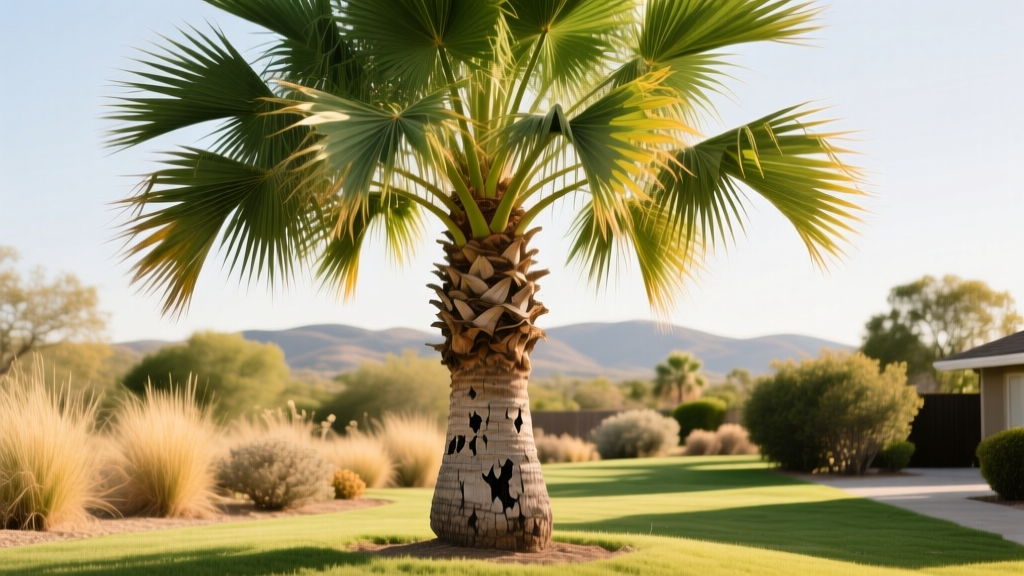
Are There Palm Trees in Texas? Native & Cold-Hardy Species Guide
The Botanical Reality of Palms in the Lone Star State
Texas hosts exactly one indigenous palm species, Sabal mexicana, while over a dozen cold-hardy introduced palms thrive in its diverse microclimates. The short answer to whether palm trees exist in Texas is yes, but their distribution is strictly governed by the 15°F winter isotherm and localized urban heat islands. While the Gulf Coast and the Rio Grande Valley provide the humid, frost-free environments that tropical palms require, the vast majority of the state experiences winter freezes that demand specialized, cold-tolerant species.
For homeowners and landscapers, understanding the distinction between true native palms and naturalized cold-hardy cultivars is critical for long-term survival. Planting a tropical Queen Palm (Syagrus romanzoffiana) in Austin or Dallas will result in fatal freeze damage, whereas selecting a genetically adapted species ensures a resilient, low-maintenance landscape anchor.
The Only True Native: Texas Sabal Palm (Sabal mexicana)
The Texas Sabal is the state's sole native palm, naturally confined to the lower Rio Grande Valley and select coastal riparian zones. According to the Texas A&M Forest Service, this species is a keystone component of the Tamaulipan thornscrub ecosystem.
Identification Markers
- Foliage: Costapalmate leaves (fan-shaped with a distinct midrib extending into the blade) that are deep green and lack the sharp teeth found on many other palm petioles.
- Trunk: Heavy, rough, and often retained with old, dried leaf bases (boots) in a cross-hatch pattern when young, eventually smoothing into a gray, ringed trunk reaching 40 to 50 feet in maturity.
- Reproduction: Produces dense, branching inflorescences that yield thousands of small, black, fleshy drupes in late summer, which are a primary food source for local migratory birds.
Landscaping Insight: When sourcing a Texas Sabal, verify the seed origin. Palms grown from Rio Grande Valley stock exhibit superior heat and drought tolerance compared to nursery stock propagated from Mexican populations further south.
Cold-Hardy Palm Species Thriving in Texas Landscapes
Beyond the native Sabal, horticulturists have successfully introduced several subtropical and temperate palms that withstand the erratic winter snaps of USDA Zones 8a through 9a. The following matrix details the most reliable species for Texas landscapes, including their absolute minimum temperature thresholds and current nursery pricing for standard 15-gallon specimens.
| Common Name | Botanical Name | Min Temp Tolerance | Mature Height | Avg 15-Gal Price (2026) |
|---|---|---|---|---|
| Windmill Palm | Trachycarpus fortunei | 5°F (-15°C) | 20-40 ft | $120 - $180 |
| Pindo Palm | Butia odorata | 10°F (-12°C) | 15-20 ft | $150 - $220 |
| Dwarf Palmetto | Sabal minor | 0°F (-18°C) | 3-6 ft | $60 - $90 |
| Mule Palm | x Butiagrus nabonnandii | 15°F (-9°C) | 20-30 ft | $200 - $280 |
| Needle Palm | Rhapidophyllum hystrix | -5°F (-20°C) | 4-8 ft | $110 - $160 |
The Windmill Palm is particularly notable for its trunk, which is wrapped in a coarse, burlap-like fibrous material that provides natural insulation against freezing winds. The Pindo Palm, a feather-leafed species, offers the architectural elegance of tropical pinnate palms but possesses the genetic fortitude to survive Dallas winters when planted in a sheltered southern exposure.
Microclimate Mapping and the Urban Heat Island Effect
Geography alone does not dictate palm survival in Texas; microclimates play an equally vital role. The Texas A&M AgriLife Extension notes that urban heat islands in cities like Houston, Austin, and Dallas can elevate localized winter temperatures by 4°F to 6°F compared to surrounding rural areas.
Strategic Placement for Zone 8a Landscapes
In USDA Zone 8a (where average annual minimums drop to 10°F), planting placement is the difference between a thriving canopy and a dead trunk. Palms must be situated on the south or southeast side of a multi-story structure or dense evergreen windbreak. This placement provides two critical benefits:
- Radiant Heat Capture: Masonry and brick walls absorb solar radiation during the day and release it at night, keeping the immediate air temperature around the palm above the critical 20°F damage threshold.
- Wind Desiccation Prevention: Freezing winds strip moisture from palm fronds faster than the frozen root system can replace it. A physical windbreak prevents this fatal dehydration.
Freeze Protection Protocol: If a hard freeze (below 20°F) is forecasted for more than 12 hours, the central meristem (the spear) must be protected. Wrap the trunk tightly in frost cloth or burlap and drape the canopy. Never use plastic sheeting directly against the fronds, as solar heating the following morning will cook the foliage.
Step-by-Step Planting Protocol for Texas Soils
Texas soils present severe drainage and pH challenges for palm species, which naturally evolved in sandy, acidic, and highly porous environments. The Blackland Prairie clay found in North and Central Texas has a pH ranging from 7.5 to 8.5 and severely restricts root respiration.
Soil Amendment and Excavation
Do not plant a palm directly into unamended Texas clay. Follow this excavation protocol to prevent root rot and asphyxiation:
- Excavate: Dig a hole exactly the width of the root ball and 2 inches shallower than the root ball's height.
- Amend: Create a backfill mix consisting of 40% native soil, 30% expanded shale (for permanent aeration and drainage), and 30% coarse pine bark. Avoid using peat moss, as it retains too much moisture in clay-heavy environments.
- Elevate: Set the palm so the top of the root ball sits 2 inches above the surrounding grade. The 'root initiation zone' (where the trunk meets the roots) must never be buried, or the trunk will rot.
- Mulch: Apply a 3-inch layer of shredded hardwood mulch over the root zone, keeping it 6 inches away from the trunk base to prevent fungal collar rot.
Navigating Texas Palm Pathogens and Nutrient Deficiencies
The high alkalinity of Texas soils locks up essential micronutrients, leading to severe deficiencies that mimic disease symptoms. Identifying the correct deficiency is crucial, as applying the wrong fertilizer will not correct the issue.
Iron Chlorosis vs. Manganese Deficiency
- Iron Chlorosis: Manifests as uniform yellowing of the newest fronds while the veins remain green. In highly alkaline soils (pH > 7.5), standard iron sulfate is useless. You must apply EDDHA chelated iron (specifically formulated for high-pH soils) as a soil drench at a rate of 1 ounce per 100 square feet.
- Manganese Deficiency (Frizzle Top): Appears as yellow banding and necrotic streaking on newly emerging leaves, causing them to curl and wither. Treat with a foliar spray of manganese sulfate (1 lb per 100 gallons of water) for immediate relief, followed by soil application.
According to the Arbor Day Foundation, proactive soil testing every two years is the most cost-effective method to prevent these irreversible nutrient lockouts before visual symptoms compromise the palm's structural integrity.
Frequently Asked Questions
Can palm trees survive a severe Texas ice storm?
Species like the Windmill and Needle palm can survive ambient air temperatures down to 5°F, but ice accumulation is physically destructive. The weight of glazing ice can snap petioles and fracture the central meristem. During ice events, gently shaking the fronds with a soft bamboo pole can prevent structural failure.
Are native Texas Sabal palms protected by law?
Unlike some states that strictly prohibit the harvesting of native palms from the wild, Texas does not have a blanket statewide law protecting Sabal mexicana on private property. However, local municipal ordinances in cities like Brownsville or McAllen may have specific preservation ordinances for heritage trees. Always verify with your local city planning office before removing a mature native specimen.
How often should I water a newly planted palm in Central Texas?
During the first 90 days, water the root ball deeply every 48 hours. Use a root feeder or deep soil probe to ensure water penetrates the bottom 18 inches of the root zone. Shallow sprinkler irrigation will only wet the mulch and encourage surface root growth, which is highly susceptible to summer heat desiccation.

