Tree Care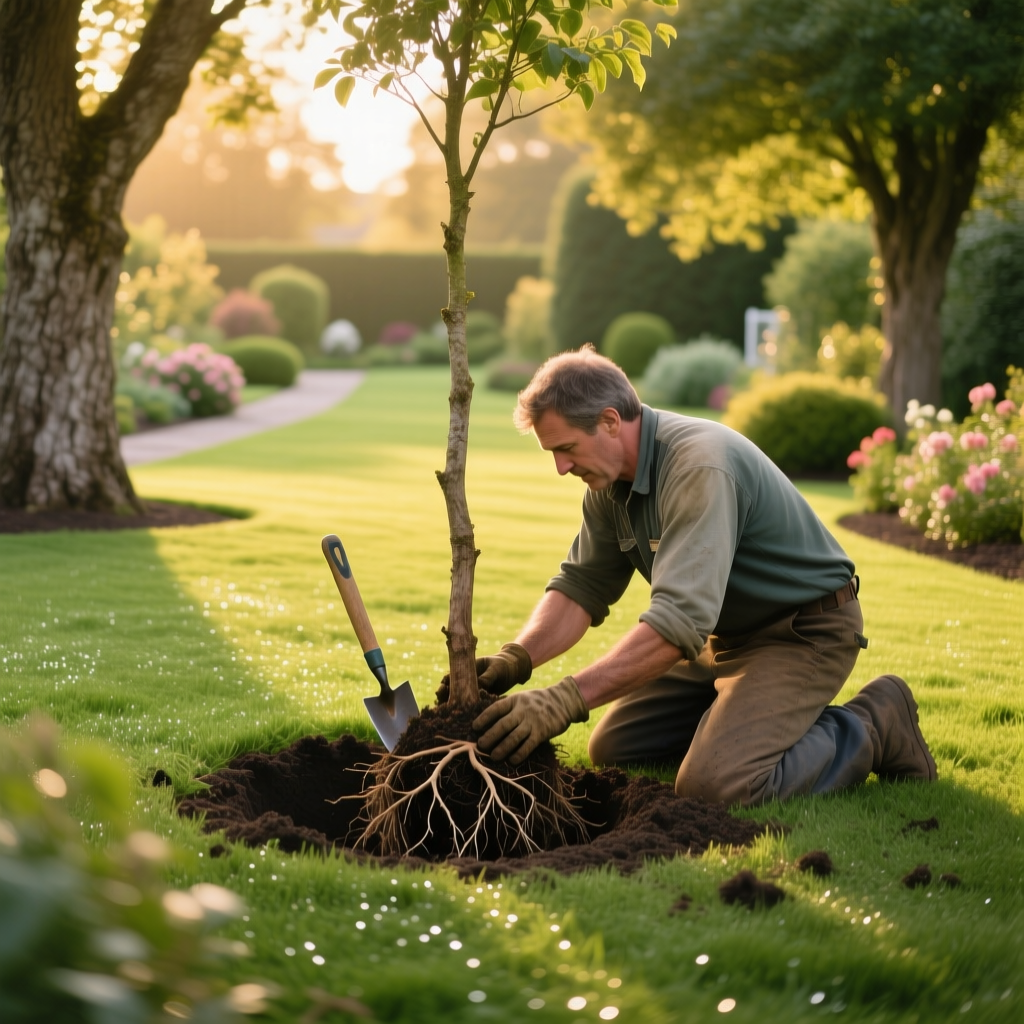
The Ultimate Guide to Transplanting Mature Trees Successfully
Anna KowalskiPublished
Moving a mature tree is one of the most challenging yet rewarding projects a homeowner or landscaper can undertake. Whether you are redesigning your outdoor space, making way for a new home addition, or simply relocating a beloved specimen to a more prominent spot in your yard, transplanting a large, established tree requires careful planning, precise execution, and dedicated aftercare. Unlike planting a young sapling from a nursery container, a mature tree has an extensive root system that has anchored it in place for years. Disrupting this system inevitably causes stress, commonly known as transplant shock.
However, with the right arboricultural techniques, you can successfully relocate a mature tree and ensure it thrives in its new environment for decades to come. This comprehensive guide will walk you through every phase of the transplanting process, from initial root preparation and site selection to the heavy lifting, post-transplant care, and long-term health monitoring. By understanding the biology of tree roots and the environmental factors that influence recovery, you can protect your investment and preserve the natural beauty of your landscape. For more general tips on maintaining a healthy landscape, be sure to explore our extensive tree care hub and lawn care guides.
Preparing for the Move: Root Pruning and Site Selection
The success of a mature tree transplant is determined months, or even years, before the tree is actually moved. The most critical preparatory step is root pruning. When a tree grows undisturbed, its structural and feeder roots extend far beyond the drip line of the canopy. If you attempt to dig up a mature tree without prior root pruning, you will sever the vast majority of its fine, water-absorbing roots, leaving the tree unable to sustain its canopy in the new location.
Root pruning involves digging a circular trench around the tree at the desired root ball diameter. This severs the outward-growing roots and stimulates the tree to produce a dense, fibrous network of new feeder roots inside the root ball zone. For the best results, root pruning should be performed six to twelve months prior to the actual transplant. Spring and early fall are the ideal times for this procedure, as the tree is actively growing and can quickly regenerate the severed roots.
Equally important to root preparation is selecting and preparing the new planting site. A mature tree has specific environmental requirements that must be met to ensure a smooth transition. Consider the following factors when choosing a new location:
- Sunlight Exposure: Ensure the new site matches the tree’s current light conditions. Moving a shade-tolerant understory tree into full, scorching sun will cause severe leaf scorch and stress.
- Soil Composition and Drainage: Trees require well-draining soil to prevent root rot. Conduct a percolation test to evaluate drainage, and review our guide on soil testing basics to understand your soil’s pH and nutrient profile.
- Space for Growth: Account for the tree’s mature canopy spread and root expansion. Ensure the new location is far enough away from foundations, driveways, and underground utilities.
- Wind Protection: A newly transplanted tree lacks a wide anchoring root system. Choose a site that offers some protection from harsh, prevailing winds, or plan to install a staking system.
The Transplanting Process: Digging and Moving
Once the tree has developed a dense root ball and the new site is prepared, it is time for the physical move. This stage requires heavy equipment, precise calculations, and careful handling to prevent structural damage to the tree and the root ball.
The first step is determining the correct size of the root ball. The industry standard rule of thumb is to allocate 10 to 12 inches of root ball diameter for every 1 inch of trunk caliper (measured at 6 inches above the ground). For example, a tree with a 4-inch caliper will require a root ball that is 40 to 48 inches in diameter. The depth of the root ball should be roughly two-thirds of its diameter, as the majority of a tree’s vital feeder roots reside in the top 18 to 24 inches of soil.
Digging the root ball is labor-intensive and must be done with sharp, flat spades to make clean cuts through the roots. Jagged, torn roots are highly susceptible to disease and decay. Once the trench is dug to the proper depth, the bottom of the root ball must be carefully undercut. This is the most delicate part of the process, as the taproot or deep structural roots must be severed cleanly.
Immediately after undercutting, the root ball must be wrapped to prevent the soil from crumbling away from the roots. Professional arborists use heavy-duty, untreated burlap wrapped tightly around the ball, secured with twine or nails, and often reinforced with a wire basket for larger specimens. Never lift or move the tree by its trunk; doing so can strip the bark, damage the cambium layer, and cause the root ball to crack. Always use lifting straps placed securely under the root ball, utilizing a skid steer, tractor, or crane depending on the weight of the specimen.
Post-Transplant Care Requirements and Watering
Getting the tree into the ground is only half the battle. The post-transplant aftercare phase is where most transplant failures occur. The primary goal during the first two years after moving is to keep the root ball consistently moist while encouraging new roots to expand into the surrounding native soil.
The planting hole should be dug two to three times wider than the root ball, but no deeper. Planting a tree too deep is one of the most common and fatal mistakes in landscaping. The root flare—the area where the trunk widens and transitions into the root system—must be fully visible and sit slightly above the surrounding grade. Backfill the hole using the native soil you removed, avoiding the temptation to amend the backfill with heavy compost or potting soil, which can create a “bathtub effect” that traps water and rots the roots.
Watering is the most critical aftercare requirement. A newly transplanted mature tree cannot rely on the surrounding soil for moisture; all water must be applied directly to the root ball. Use a slow, deep watering method, such as a soaker hose or a drip irrigation system, to ensure water penetrates the entire root mass. For detailed setup instructions, check out our resource on irrigation systems. As a general guideline, provide 10 gallons of water per inch of trunk caliper each week during the growing season, adjusting for rainfall.
Mulching is equally vital for moisture retention and temperature regulation. Apply a 2 to 3-inch layer of organic wood chips or shredded bark over the root zone, extending out to the drip line if possible. However, never pile mulch against the trunk. “Volcano mulching” traps moisture against the bark, leading to rot and inviting pests. Learn more about correct techniques in our guide to proper tree mulching.
Staking may be necessary for large trees or those in windy areas, but it should be done correctly. Use wide, flexible straps that will not girdle the bark, and allow the tree a slight amount of movement. This micro-movement stimulates the trunk to develop structural taper and strength. Remove the stakes after one year to prevent the tree from becoming dependent on them.
Pruning, Diseases, and Pest Management After Moving
There is a persistent myth in landscaping that when a tree is transplanted and loses a portion of its roots, you must heavily prune the canopy to “balance” the tree. Modern arboriculture strongly advises against this practice. A tree needs its leaves to photosynthesize and produce the carbohydrates required to generate new roots. Removing a large portion of the canopy starves the root system when it needs energy the most. Limit your pruning strictly to removing dead, diseased, or structurally compromised branches. For more information on making proper cuts, read our article on pruning mature trees.
A transplanted tree is in a state of stress, making it highly vulnerable to secondary pests and diseases. Trees emit chemical distress signals when stressed, which can attract opportunistic insects like bark beetles, bronze birch borers, and aphids. Regularly inspect the trunk and branches for signs of insect activity, such as tiny exit holes, sawdust-like frass, or unusual sap weeping.
Fungal pathogens are another major threat, particularly if the soil remains overly saturated or if the root ball sustained damage during the move. Root rot fungi, such as Phytophthora and Armillaria, thrive in poorly drained, compacted soils. To mitigate these risks, ensure proper drainage, avoid wounding the trunk with lawnmowers or string trimmers, and consider applying a mycorrhizal fungi inoculant during planting. Mycorrhizae form a symbiotic relationship with the tree’s roots, vastly increasing their ability to absorb water and nutrients while providing a natural defense against soil-borne pathogens. Familiarize yourself with the symptoms of common ailments by reviewing our guide to common tree diseases.
Seasonal Tips: When is the Best Time to Transplant?
Timing is everything when it comes to transplanting mature trees. The objective is to move the tree when it is dormant or entering dormancy, minimizing the stress on its biological systems and reducing the water demand of the canopy.
Deciduous Trees: The absolute best time to transplant deciduous trees (those that lose their leaves) is in late fall, after the leaves have dropped and the tree has entered full dormancy, or in very early spring, just before the buds begin to break. During these windows, the tree’s energy is stored in the roots, and the lack of foliage drastically reduces transpiration (water loss through the leaves).
Evergreen Trees: Evergreens present a unique challenge because they retain their foliage year-round and continue to lose moisture through their needles or leaves even in winter. The optimal time to transplant evergreens is in early fall, allowing the roots several weeks to establish before the ground freezes, or in early spring once the frost has left the ground but before the intense heat of summer arrives.
When to Avoid Transplanting: Never attempt to transplant a mature tree in the middle of summer. The combination of high temperatures, intense sunlight, and peak canopy transpiration will almost certainly lead to fatal transplant shock. Similarly, avoid moving trees when the ground is frozen solid in the dead of winter, as the soil will shatter and crumble, destroying the root ball structure.
Frequently Asked Questions
How long does transplant shock last in mature trees?
Transplant shock is a prolonged condition for mature trees. While a small nursery sapling might recover in a single season, a large, mature tree typically requires one year of recovery for every inch of trunk caliper. For example, a tree with a 5-inch caliper may take up to five years to fully re-establish its root system and resume normal, vigorous growth rates. During this period, the tree may exhibit smaller leaves, delayed spring leaf-out, and premature fall coloration.
Can I transplant a mature tree in the summer?
While it is technically possible with specialized equipment and intensive aftercare, transplanting in the summer is highly discouraged. The heat and active transpiration place an overwhelming demand on the compromised root system. If a summer move is absolutely unavoidable due to construction deadlines, you will need to employ anti-transpirant sprays, heavy shade cloth, and daily deep watering to give the tree a fighting chance at survival.
How much does it cost to transplant a large tree?
The cost of transplanting a mature tree varies wildly based on the tree’s size, accessibility, and the distance of the move. For a medium-sized tree requiring a skid steer and a small crew, costs might range from $500 to $1,500. However, moving a massive, multi-ton specimen that requires a hydraulic tree spade, a crane, and specialized rigging can easily exceed $5,000 to $10,000. Always weigh the financial cost and the risk of tree mortality against the cost of purchasing and planting a new, smaller tree.
What are the signs that a transplanted tree is dying?
Signs of severe transplant shock or impending death include severe leaf wilting that does not recover overnight, extensive browning and crisping of leaf margins, dieback of the upper canopy branches, and the sudden shedding of green leaves in the middle of the growing season. If you notice the bark sloughing off the trunk or a foul odor emanating from the soil, the root system has likely succumbed to rot, and the tree may not be salvageable.
Transplanting a mature tree is a monumental task that bridges the gap between heavy construction and delicate horticulture. By respecting the tree’s biology, preparing the root system well in advance, executing a careful move, and committing to years of dedicated aftercare, you can successfully relocate a majestic specimen. The patience and effort required are well worth the reward of preserving a living landmark that will continue to provide shade, beauty, and ecological value to your landscape for generations to come.