Tree Care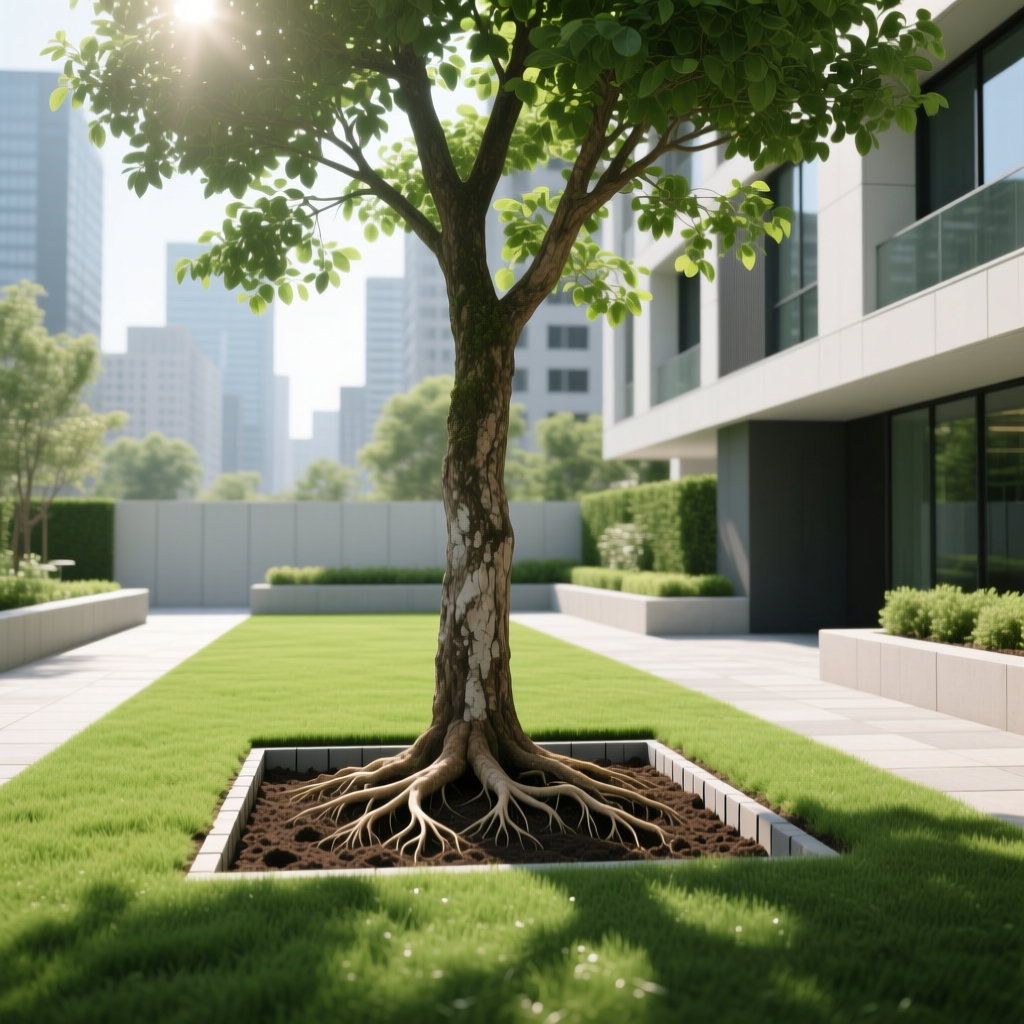
Tree Care in Compact Urban Soils & Restricted Spaces: A Complete Guide
Mike RodriguezPublished
Urban environments present some of the most challenging conditions for tree growth and longevity. Between compacted soils, limited root zones, overhead obstructions, and the heat-island effect of surrounding concrete, city trees face obstacles that their forest-dwelling counterparts never encounter. Yet trees in urban settings are arguably more valuable than ever — they filter pollutants, reduce stormwater runoff, lower ambient temperatures, and dramatically improve the aesthetics & livability of neighborhoods.
Whether you are managing a single street tree planted in a narrow sidewalk cutout, tending a courtyard specimen surrounded by buildings, or caring for a small backyard with dense, heavily trafficked soil, understanding the unique demands of compact urban soils and restricted spaces is essential. This guide walks you through every aspect of urban tree care — from site assessment and soil remediation to pruning strategies, disease prevention, and seasonal maintenance routines — so your trees can thrive despite the odds.
Healthy trees also contribute to healthier lawns and landscapes overall. Tree canopies moderate soil temperature, reduce evaporation, and create microclimates that benefit surrounding turf and garden beds. Investing in proper tree care is an investment in the entire ecosystem of your urban property.
Understanding Compact Urban Soils & Their Impact on Tree Health
Soil compaction is the single greatest threat to urban tree health. In natural settings, soil is a complex matrix of mineral particles, organic matter, water, air pockets, and living organisms. Roots move through this matrix with relative ease, accessing oxygen, moisture, and nutrients. In urban environments, construction equipment, foot traffic, vehicle parking, and even repeated mowing compress soil particles together, destroying the pore spaces that roots and soil organisms depend on.
Why Urban Soils Become Compacted
Several factors contribute to soil compaction in cities and suburbs. During construction, heavy machinery drives over building sites, compressing subsoil layers deeply. After construction, topsoil is often stripped away entirely and replaced with thin layers of imported fill that lack the organic structure of native soil. Ongoing foot traffic on lawns and paths, vehicle tires on unpaved shoulders, and even heavy rainfall on bare ground all continue the compaction cycle.
The result is soil with bulk density values that far exceed what most tree roots can penetrate. When soil bulk density exceeds approximately 1.6 grams per cubic centimeter for clay soils or 1.75 grams per cubic centimeter for sandy soils, root growth slows dramatically and may stop entirely. Without adequate root development, trees cannot access sufficient water and nutrients, making them vulnerable to drought stress, nutrient deficiencies, pest infestations, and diseases.
Signs Your Urban Soil Is Too Compacted
Recognizing compaction early allows you to intervene before serious decline occurs. Watch for these indicators:
- Water pooling on the surface after rain instead of infiltrating the soil
- Shallow, surface-level roots that heave sidewalks or emerge visibly from the ground
- Stunted growth — leaves are smaller than expected, and annual shoot growth is minimal
- Early fall color or leaf drop compared to trees in less compacted areas
- Thinning canopy with dieback in the upper branches
- Difficulty inserting a probe — if you cannot push a long screwdriver or soil probe into the ground to a depth of six to eight inches, compaction is likely severe
How Compaction Affects Root Architecture
In uncompacted soil, tree roots typically extend well beyond the drip line of the canopy, often reaching two to three times the branch spread. In compacted urban soils, roots are forced into a shallow, pancake-like layer near the surface where oxygen is available. This restricted root zone not only limits the tree's access to water and nutrients but also compromises structural stability. Trees with shallow root systems in confined spaces are far more likely to fail during windstorms — a serious safety concern in urban areas where people, vehicles, and structures are nearby. For more on maintaining a healthy landscape around your trees, explore our lawn maintenance tips.
Strategies for Improving Soil Conditions in Restricted Spaces
Remediating compacted urban soil is one of the most impactful things you can do for tree health. While you cannot always excavate and replace soil around established trees, several proven techniques can dramatically improve root-zone conditions without causing damage.
Air Spading & Radial Trenching
Air spading uses compressed air to excavate soil without cutting or tearing roots. An arborist directs a high-pressure air stream into the compacted soil, fracturing it and allowing the introduction of organic amendments, compost, and mulch directly into the root zone. This technique is especially valuable in tight urban spaces where mechanical tillers cannot operate without damaging surface roots or nearby infrastructure.
Radial trenching is a complementary technique where narrow trenches are dug in a spoke pattern radiating outward from the trunk. These trenches are filled with a mix of compost, expanded shale, and slow-release fertilizer, creating channels of improved soil that roots can colonize over time. In restricted spaces such as tree pits and narrow planting strips, even a few strategically placed trenches can make a significant difference.
Vertical Mulching
Vertical mulching involves drilling holes twelve to eighteen inches deep in a grid pattern throughout the root zone and filling them with a porous amendment such as expanded clay pellets, pea gravel mixed with compost, or specially formulated soil blends. This technique creates vertical columns of well-aerated material that encourage deeper root growth and improve drainage in heavy, compacted soils. It is particularly effective in small urban yards and confined planting areas where horizontal soil improvement is impractical.
Mulching Best Practices for Urban Trees
A proper mulch ring is one of the simplest and most effective tools for combating soil compaction in urban settings. Apply two to four inches of organic mulch — such as shredded hardwood bark, wood chips, or leaf mold — in a ring extending as far from the trunk as space permits. Keep mulch at least three to four inches away from the trunk itself to prevent rot and rodent damage.
Mulch provides multiple benefits in compacted urban soils:
- Moderates soil temperature, protecting roots from the extreme heat radiating off nearby pavement
- Retains moisture, reducing irrigation needs and drought stress
- Adds organic matter as it decomposes, gradually improving soil structure
- Prevents further compaction by keeping foot traffic and mowers away from the root zone
In restricted urban spaces where mulch rings must be small, prioritize quality over quantity. Use well-aged, coarse-textured mulch that resists matting and allows air and water to pass through. Avoid piling mulch against the trunk in a "volcano" shape — this common mistake invites disease and girdling roots. Learn more about how proper soil health practices benefit your entire landscape.
Soil Amendments & Fertilization
Urban soils are frequently alkaline due to leaching from concrete and limestone-based building materials. This elevated pH can lock up essential nutrients like iron and manganese, leading to chlorosis — a yellowing of leaves between the veins. Before applying any fertilizer, conduct a soil test to determine pH, nutrient levels, and organic matter content.
For compacted urban soils, slow-release fertilizers applied via deep-root injection are often the most effective delivery method. This technique places nutrients directly into the root zone while the injection pressure itself helps fracture compacted soil. Mycorrhizal inoculants — beneficial fungi that form symbiotic relationships with tree roots — can also be introduced during soil remediation to help roots absorb water and nutrients more efficiently in poor soil conditions.
Tree Selection & Planting Techniques for Confined Urban Sites
Choosing the right tree species and planting it correctly are critical first steps in ensuring long-term success in compact urban soils and restricted spaces. A tree that is poorly matched to its site will struggle from the start, no matter how much aftercare it receives.
Selecting Trees for Compact Soils & Small Spaces
Not all trees tolerate compacted soil and confined root zones equally. Species that are naturally adapted to heavy, poorly drained soils or that have relatively modest root system requirements tend to perform best in urban settings. Consider these categories when selecting trees:
- Small-stature ornamental trees — species like Japanese tree lilac, serviceberry, redbud, and crabapple offer beauty in tight spaces without overwhelming the site
- Compaction-tolerant shade trees — ginkgo, London plane tree, honeylocust, and certain oaks (such as bur oak and swamp white oak) have demonstrated strong performance in compacted urban soils
- Columnar or fastigiate cultivars — narrow-growing forms of trees like columnar hornbeam, fastigiate oak, or Princeton Sentry ginkgo fit well in spaces with limited horizontal clearance
Avoid planting large-maturing trees like silver maple, cottonwood, or tulip poplar in restricted spaces. These species develop massive root systems and canopies that will inevitably conflict with surrounding infrastructure, leading to costly maintenance problems and shortened tree lifespans. For more on choosing the right plants for your landscape, see our tree care guides.
Proper Planting Depth & Hole Preparation
In compacted urban soils, planting depth is perhaps the most common and most damaging mistake. Trees planted too deeply suffocate because their root flare — the point where the trunk transitions to roots — is buried beneath soil that lacks adequate oxygen. Always locate the root flare before planting and ensure it sits at or slightly above the surrounding grade.
When digging the planting hole in compacted soil, make it two to three times wider than the root ball but no deeper. A wide, shallow hole encourages lateral root growth into the surrounding soil. Roughen the sides of the hole to prevent glazing — smooth, compacted hole walls can act like a container, restricting root expansion.
In severely compacted sites, consider excavating a larger area around the planting hole and backfilling with a mix of native soil and compost. This creates a transition zone that helps roots establish beyond the immediate planting area. If drainage is poor, installing a gravel drainage layer or perforated pipe beneath the root ball can prevent waterlogging, which is a common problem in heavy urban clay soils.
Structural Soil & Suspended Pavement Systems
For street trees and trees planted beneath pavement, advanced techniques like structural soil and suspended pavement systems offer solutions to the conflict between tree roots and hardscape. Structural soil is a specially engineered mix of angular stone and soil that can be compacted to support pavement loads while still allowing root growth through the voids between stones. Suspended pavement systems use modular support structures to bear the weight of pavement above an uncompacted soil volume, giving roots ample room to expand.
While these systems require professional design and installation, they represent the gold standard for urban tree planting in restricted, paved environments. Municipalities and property developers increasingly recognize that the long-term benefits of healthy urban trees far outweigh the higher initial installation costs.
Pruning & Structural Management in Tight Urban Environments
Pruning urban trees in restricted spaces requires careful planning and technique. Unlike trees in open settings that can develop broad, natural canopies, urban trees often need to be managed to coexist with buildings, power lines, signs, and pedestrian traffic. Proper pruning maintains tree health, ensures public safety, and preserves the aesthetic character of the landscape.
Young Tree Structural Pruning
The most important pruning a tree receives occurs during its first ten to fifteen years in the ground. Structural pruning in young trees establishes a strong framework of scaffold branches with wide crotch angles and a single dominant leader. This proactive approach prevents the development of weak branch attachments, co-dominant leaders, and included bark — defects that become dangerous and expensive to correct as trees mature in confined urban spaces.
When pruning young trees in restricted sites, focus on:
- Establishing a central leader by reducing or removing competing leaders
- Selecting well-spaced scaffold branches that are distributed radially and vertically around the trunk
- Removing branches with narrow crotch angles (less than 30 degrees) that are prone to splitting
- Clearing lower branches gradually over several years to provide pedestrian and vehicular clearance
Clearance Pruning for Infrastructure
Urban trees frequently conflict with overhead utility lines, building facades, streetlights, and signage. Clearance pruning removes or reduces branches that encroach on these structures. Always follow proper pruning cuts — make clean cuts just outside the branch collar without leaving stubs or tearing bark. Never "top" a tree by cutting branches back to arbitrary stubs; topping stimulates rapid, weakly attached regrowth that is more hazardous than the original branches.
When working near utility lines, always contact the local utility company first. Many utilities offer free or low-cost pruning services for trees near power lines, and working near energized conductors without training is extremely dangerous.
Crown Thinning, Raising & Reduction
In compact urban spaces, three primary pruning techniques help manage tree canopies:
- Crown thinning — selectively removing branches throughout the canopy to increase light penetration and air movement. This reduces wind resistance and allows more light to reach turfgrass and understory plantings below. Proper thinning removes no more than fifteen to twenty percent of live foliage in a single season.
- Crown raising — removing lower branches to provide clearance for pedestrians, vehicles, and sight lines. Maintain at least eight feet of clearance over sidewalks and twelve feet over streets where possible.
- Crown reduction — carefully reducing the length of specific branches to decrease the overall size of the canopy. This technique is appropriate when a tree has outgrown its space, but it must be done with precise drop-crotch cuts to maintain tree health and structure.
For detailed information on maintaining healthy grass beneath tree canopies, check out our guide on growing shade-tolerant grass.
Disease Prevention, Pest Management & Seasonal Care
Trees growing in compacted urban soils under restricted conditions are inherently stressed, making them more susceptible to diseases and pest infestations. A proactive, seasonally adjusted care program is the best defense against the biological threats that can rapidly decline an already compromised tree.
Common Diseases in Urban Trees
Several diseases disproportionately affect urban trees due to the stress factors present in compacted, restricted environments:
- Verticillium wilt — a soil-borne fungal disease that blocks the tree's vascular system, causing wilting and branch dieback. It is especially prevalent in compacted soils where root wounds from construction damage provide entry points.
- Armillaria root rot — also known as oak root fungus, this disease attacks weakened root systems and can cause structural failure. Compacted, poorly drained soils create ideal conditions for Armillaria.
- Canker diseases — fungal and bacterial cankers attack bark and cambium on stressed trees. Drought-stressed urban trees are particularly vulnerable.
- Powdery mildew & anthracnose — foliar diseases that thrive in the humid, poorly ventilated microclimates created by surrounding buildings and dense plantings.
- Chlorosis — while technically a nutrient deficiency rather than a disease, iron and manganese chlorosis are extremely common in alkaline urban soils and weaken trees over time, making them susceptible to secondary infections.
Integrated Pest Management for Urban Trees
Stressed urban trees attract a range of insect pests, including borers (such as emerald ash borer and bronze birch borer), scale insects, aphids, and spider mites. An integrated pest management (IPM) approach minimizes pesticide use while effectively controlling damaging populations.
Key IPM strategies include:
- Regular monitoring — inspect trees at least monthly during the growing season for signs of insect activity, including sawdust-like frass, oozing sap, discolored foliage, and exit holes in bark
- Maintaining tree vigor — the single best pest deterrent is a healthy, unstressed tree. Proper watering, mulching, and soil care reduce pest susceptibility dramatically
- Biological controls — encouraging beneficial insects like ladybugs, lacewings, and parasitic wasps through diverse plantings reduces pest populations naturally
- Targeted treatments — when chemical intervention is necessary, use systemic products applied via trunk injection or soil drench rather than broad-spectrum foliar sprays that harm beneficial organisms
Seasonal Care Calendar
Urban trees in compacted soils benefit from a structured seasonal care program that addresses their specific needs throughout the year.
Spring: Inspect trees for winter damage, including broken branches and frost cracks. Apply a balanced, slow-release fertilizer based on soil test results. Refresh mulch rings to a depth of two to four inches. Begin monitoring for early-emerging pests like aphids and scale crawlers. If soil remediation work such as air spading or radial trenching is planned, spring is often the ideal time to perform it, as roots are actively growing and can quickly colonize improved soil.
Summer: Water deeply and infrequently during dry periods — aim for one inch of water per week, applied slowly to allow infiltration into compacted soil. Use a soaker hose or drip irrigation rather than overhead sprinklers to maximize soil absorption and minimize foliar disease risk. Prune dead, damaged, or diseased branches. Monitor for heat stress symptoms including wilting, leaf scorch, and premature leaf drop.
Fall: Continue watering until the ground freezes, as autumn drought stress is a leading cause of winter injury in urban trees. Plant new trees — fall planting allows root establishment without the heat stress of summer. Collect and remove fallen leaves from trees that had foliar diseases to reduce reinfection pressure the following year. Apply a layer of compost over the root zone to provide slow-release nutrients and improve soil biology.
Winter: Perform structural pruning while trees are dormant and branch architecture is clearly visible. Protect young and thin-barked trees from sunscald and frost cracking with tree wrap or light-colored trunk guards. Inspect for signs of animal damage from rodents and deer. Use the dormant season to plan spring planting and soil remediation projects. Avoid piling snow containing de-icing salts against tree trunks, as salt accumulation in compacted soil is toxic to roots. For more on protecting your landscape through winter, visit our seasonal lawn care guide.
Watering Strategies for Restricted Root Zones
Trees in compacted urban soils require careful watering because water infiltrates slowly and may run off before reaching the root zone. Use slow, deep watering methods such as drip irrigation bags, soaker hoses coiled around the root zone, or low-flow bubblers. Water at the drip line and beyond rather than at the base of the trunk, as the most active absorbing roots are located in the outer portion of the root system.
In extremely compacted soils, consider using a root watering probe — a hollow spike that attaches to a hose and delivers water directly into the soil profile at depths of eight to twelve inches. This bypasses the compacted surface layer and places moisture where roots can actually access it.
Frequently Asked Questions
How can I tell if my urban tree's roots are suffering from soil compaction?
The most reliable field test is to try inserting a long metal probe, such as a screwdriver or a dedicated soil probe, into the ground around the tree's root zone. If you cannot push it in to a depth of six to eight inches with moderate pressure, the soil is severely compacted. Above-ground symptoms include slow growth, undersized leaves, early fall color, surface roots, water pooling after rain, and progressive canopy thinning or dieback starting at the top of the tree. If you observe several of these symptoms together, soil compaction is very likely a contributing factor, and remediation techniques like air spading or vertical mulching should be considered.
What are the best tree species for planting in small urban spaces with compacted soil?
The best species combine compact mature size with tolerance for heavy, poorly aerated soils. Top choices include ginkgo (Ginkgo biloba), particularly columnar cultivars like 'Princeton Sentry'; honeylocust (Gleditsia triacanthos var. inermis), which handles compaction and urban pollution well; Japanese tree lilac (Syringa reticulata), a small ornamental that thrives in tough conditions; serviceberry (Amelanchier species), which offers multi-season interest in tight spaces; and bur oak (Quercus macrocarpa), one of the most compaction-tolerant large shade trees available. Always match the species to your specific site conditions, including soil pH, drainage, available sunlight, and overhead clearance. Consulting a certified arborist or your local extension service can help you refine your selection.
How often should I water a tree planted in compacted urban soil?
Watering frequency depends on weather, soil type, tree species, and tree age, but a general guideline is to provide approximately one inch of water per week during the growing season, increasing during periods of extreme heat or drought. In compacted soils, the key is to water slowly and deeply rather than applying large volumes quickly, which will simply run off the surface. Use a soaker hose or drip irrigation for several hours to allow water to penetrate the compacted layer. Newly planted trees in urban soils typically need supplemental watering two to three times per week for the first two growing seasons. Check soil moisture by digging a small test hole six inches deep — the soil should feel moist but not waterlogged at that depth.
Can I improve compacted soil around an established tree without damaging its roots?
Yes, several techniques can improve soil conditions around established trees without causing significant root damage. Air spading uses compressed air to fracture compacted soil without cutting roots, allowing incorporation of compost and organic amendments. Radial trenching involves digging narrow trenches between major roots and backfilling them with improved soil mixtures. Vertical mulching drills small-diameter holes throughout the root zone and fills them with porous amendments. Even simply applying a proper mulch ring and keeping foot traffic off the root zone will gradually improve soil biology and structure over time. Avoid rototilling or aggressive mechanical cultivation near established trees, as these methods sever critical root mass and cause more harm than good.
What is the most common mistake people make when caring for trees in urban environments?
The most common and most damaging mistake is planting trees too deeply. When the root flare — the natural widening of the trunk where it meets the roots — is buried beneath soil or mulch, the tree is slowly suffocated. Buried root flares lead to girdling roots that wrap around and strangle the trunk, chronic moisture stress, increased disease susceptibility, and ultimately premature death. Studies suggest that a significant percentage of declining urban trees are planted at least several inches too deep. Always expose the root flare before planting and ensure it sits at or slightly above the surrounding grade. The second most common mistake is neglecting soil health — focusing solely on the visible canopy while ignoring the compacted, depleted soil where the tree's most critical biological processes occur. Addressing both planting depth and soil conditions will resolve the majority of urban tree care challenges.
Caring for trees in compact urban soils and restricted spaces demands more knowledge and attention than caring for trees in open, natural settings — but the rewards are immense. A well-maintained urban tree can live for decades or even centuries, providing shade, beauty, cleaner air, and increased property value for generations. By understanding the unique challenges of urban soil conditions, implementing proactive soil remediation, selecting appropriate species, practicing informed pruning, and maintaining a consistent seasonal care program, you can help your urban trees overcome the odds and thrive in even the most challenging environments. Explore our complete collection of lawn and landscape guides for more tips on creating a healthy, beautiful outdoor space.