
Tree Care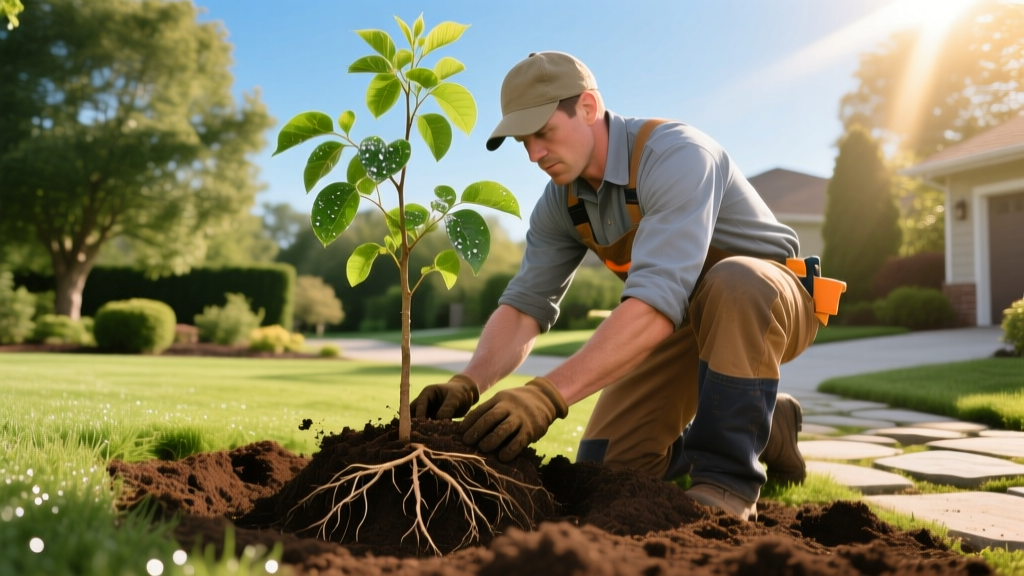
Tree Planting Cost Calculator: 2026 Pricing & Budget Guide
The True Cost of Planting a Tree: Beyond the Nursery Tag
When homeowners budget for landscaping, they often look only at the nursery price tag of a tree. However, the material cost is just one variable in a complex equation. A 2.5-inch caliper Live Oak might cost $400 at the wholesale yard, but getting it into the ground safely and ensuring it survives the first critical year can push the total project cost past $1,200. To build an accurate budget, you need a reliable tree planting cost calculator that accounts for material, heavy equipment, soil remediation, and long-term warranties.
The 2026 Tree Planting Cost Formula
Total Project Cost = (Tree Material + Freight/Delivery) + (Labor Hours × Crew Rate) + Site Preparation & Grading + Soil Amendments + Permitting & Utility Locates + Warranty Fees
2026 Tree Species & Material Cost Matrix
Tree pricing fluctuates based on species rarity, growth rate, and the format in which they are sold. Container-grown trees are lighter and easier to handle, while Balled and Burlapped (B&B) trees offer more mature root structures but require heavy machinery. Below is a breakdown of average 2026 wholesale-to-retail material costs for popular residential species.
| Species | Size / Caliper | Format | Material Cost (2026) |
|---|---|---|---|
| Red Maple (Acer rubrum) | 2.0" caliper | B&B | $280 - $450 |
| Live Oak (Quercus virginiana) | 3.0" caliper | B&B | $650 - $950 |
| Eastern White Pine | 6ft - 8ft height | Container (15 gal) | $120 - $180 |
| Crape Myrtle (Multi-stem) | 1.5" caliper | Container (25 gal) | $140 - $220 |
| Flowering Dogwood | 2.5" caliper | B&B | $350 - $550 |
Note: Delivery fees for B&B trees typically add $75 to $150 per tree if using a flatbed with a boom truck, or a flat $250+ trip charge for local nursery deliveries.
Labor, Equipment, and Site Preparation Breakdown
Standard Professional Installation Rates
In 2026, professional landscaping crews charge between $55 and $95 per hour, per crew member. For a standard two-person crew planting a 2-inch caliper tree by hand, expect the labor to take 2 to 3 hours. This translates to $220 to $570 in pure labor costs per tree. Many contractors, however, quote a flat per-tree installation fee ranging from $250 to $400 for trees up to 2.5 inches in caliper, assuming standard soil conditions and easy backyard access.
Heavy Machinery & Access Edge Cases
If you are planting mature specimen trees (4-inch caliper or larger), the root ball can weigh between 800 and 1,500 pounds. Hand-digging is no longer viable. Crews will need to deploy a mini skid steer (like a Ditch Witch or Toro Dingo) or an articulating boom crane. Renting and operating a mini skid steer adds roughly $350 to $500 to the daily project cost. If a crane is required to lift the tree over a house or fence, expect to pay $800 to $1,500 just for the crane mobilization and operator fees.
Hidden Costs: Soil Amendments, Staking, and Warranties
The most common budgeting mistake is ignoring the subterranean environment. According to Arbor Day Foundation's planting guidelines, proper soil preparation is the primary determinant of first-year survival. Budget for the following hidden costs:
- Soil Testing ($35 - $60): Sending a core sample to a university extension lab to determine pH and cation exchange capacity (CEC) before planting.
- Mycorrhizal Inoculants ($25 - $45): Applying a specialized root-dip fungus that increases the root surface area by up to 100x, crucial for B&B trees that have lost fine feeder roots during harvest.
- Clay Soil Remediation ($150 - $300): If your site has heavy, compacted clay, simply digging a hole creates a "bathtub effect" that drowns roots. Professionals will perform radial trenching or mix expanded shale and biochar into the backfill to ensure drainage.
- Staking Kits ($30 - $60): Only necessary for top-heavy trees or high-wind zones. Use flexible, wide-strapped staking systems (like the TreeStake Pro) rather than wire and hose, which girdle the cambium layer.
- Extended Warranties (+15% to 25%): Standard contractor warranties cover 1 year. Upgrading to a 2-year or 3-year pro-rata replacement warranty will increase the total invoice but protects your investment against unexpected transplant shock or latent diseases.
DIY vs. Professional Planting: A Decision Framework
Not every tree requires a professional crew. Use this framework to decide whether to grab a shovel or hire a licensed arborist:
When to DIY
- Container trees 15 gallons or smaller.
- B&B trees under 1.5-inch caliper (root ball under 60 lbs).
- Planting in open, unobstructed front or back yards.
- You have access to a powered earth auger for hardpan soil.
When to Hire a Pro
- Any tree over 2.0-inch caliper or 25-gallon container.
- Sites requiring access through narrow gates (under 36 inches).
- Planting near municipal sidewalks requiring root-barrier installation.
- Specimen trees where a single mistake costs $1,000+ in lost material.
Permitting, Utility Locates, and Legal Requirements
Before breaking ground, legal and safety protocols must be factored into your timeline and budget. Planting a tree in the "right-of-way" (the strip of grass between the sidewalk and the street) almost always requires a municipal street tree permit. These permits are usually free but dictate exactly which species and caliper sizes are approved by the city forester to prevent canopy interference with power lines.
⚠️ Critical Warning: Utility Locates
Always call 811 at least three business days before digging. This public utility locate service is free and marks public gas, water, and electric lines. However, 811 does not mark private lines like underground irrigation systems, low-voltage landscape lighting, or invisible dog fences. Hiring a private utility locating service (using ground-penetrating radar) costs between $150 and $300 but prevents catastrophic damage to private infrastructure.
Expert Tips for Maximizing Your Tree Planting ROI
To ensure your budget translates into a thriving, mature canopy, follow these industry-standard planting protocols endorsed by the EPA's green infrastructure guidelines and certified arborists:
- Find the Root Flare: The number one cause of tree death in residential landscapes is planting too deep. Before backfilling, brush away the top layer of soil from the root ball to expose the trunk flare (where the trunk widens at the base). This flare must sit 1 to 2 inches above the final grade.
- Wash B&B Roots: For balled and burlapped trees, consider "root washing" with a gentle hose stream to remove the heavy clay nursery soil. This allows you to inspect for and cut away girdling roots before they strangle the tree years later.
- Mulch Correctly: Apply a 3-inch layer of hardwood mulch in a wide donut shape around the tree. Keep the mulch at least 3 inches away from the trunk itself to prevent bark rot and rodent damage. Never create a "mulch volcano."
- Deep Watering Schedule: New trees require roughly 10 to 15 gallons of water per week during their first two growing seasons. Invest in a $30 slow-release watering bag (like the Treegator) to ensure deep soil penetration rather than surface runoff.
By utilizing this tree planting cost calculator framework, you can move beyond sticker shock and accurately forecast the true investment required to establish a legacy tree on your property. Proper budgeting ensures you never cut corners on the critical below-ground factors that dictate a tree's lifespan.

