
Tree Care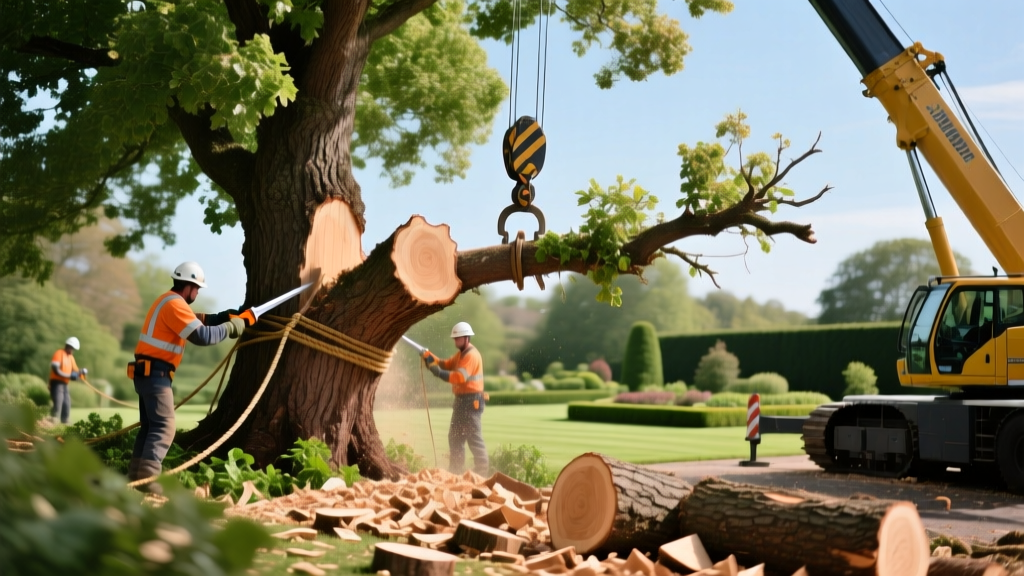
How Much Would It Cost to Remove a Tree? 2026 Pricing Guide
When homeowners ask, "how much would it cost to remove a tree," they are often met with a frustrating answer: it depends. While the national average for professional tree removal in 2026 sits at roughly $1,150, actual quotes can range anywhere from $250 for a small, accessible ornamental tree to over $5,000 for a massive, hazardous oak leaning over a roofline. Understanding the precise variables that arborists use to calculate their bids is the only way to protect yourself from inflated estimates and hidden fees.
This guide deconstructs the exact pricing models used by Tree Care Industry Association (TCIA) accredited companies, breaking down costs by size, species density, site logistics, and stump management.
The 2026 Baseline: National Averages by Tree Size
Height and trunk diameter are the primary starting points for any estimate. Arborists calculate the volume of wood to be processed and the height they must climb to safely rig the canopy. Below is the current pricing matrix for standard removals (felling or basic sectional dismantling) in an open yard with no overhead obstructions.
| Tree Classification | Height Range | Trunk Diameter (DBH) | 2026 Average Cost | Estimated Labor Time |
|---|---|---|---|---|
| Small / Ornamental | Under 30 ft | Up to 12 inches | $250 – $650 | 1 – 3 hours |
| Medium | 30 – 60 ft | 12 – 24 inches | $650 – $1,300 | 3 – 5 hours |
| Large | 60 – 80 ft | 24 – 36 inches | $1,300 – $2,600 | 5 – 8 hours |
| Extra Large / Mature | 80 – 120+ ft | 36+ inches | $2,600 – $5,500+ | 1 – 3 days |
Beyond Height: How Species and Wood Density Alter the Quote
Not all trees of the same height cost the same to remove. Wood density directly impacts how quickly chainsaws dull, how heavy the rigged sections are, and how much strain is placed on climbing ropes and pulleys.
- High-Density Hardwoods (Oak, Hickory, Locust): White oak, for example, weighs roughly 60 pounds per cubic foot when green. Rigging a 24-inch diameter oak limb requires heavy-duty blocks and portawraps to prevent snapping the ropes. Expect a 15% to 25% premium over softer woods due to the specialized rigging gear and slower cutting times.
- Softwoods (Pine, Spruce, Fir): While lighter, pines are notoriously messy, dripping sap on gear and surrounding property. Furthermore, mature pines often grow exceptionally tall with minimal lower branching, requiring the climber to ascend higher on a flexible, swaying trunk, which increases the hazard pay multiplier.
- Fibrous / Palm Trees: Palms do not have traditional bark or cambium layers; their fibrous trunks rapidly dull standard chainsaw chains. Arborists must use specialized carbide-tipped chains or machetes, and the disposal of palm fronds often incurs higher green-waste tipping fees at local landfills.
Site Accessibility and Hazard Multipliers
If your tree is located in an open field, the crew can simply notch it and fell it in one piece. If it is in a residential backyard, the complexity—and the cost—skyrockets. According to industry data compiled by Angi's tree removal cost guide, accessibility issues can add 30% to 100% to the base price.
⚠️ The Crane Variable: If a large tree is trapped behind a house with no gate access for a chipper or bucket truck, the crew may need to mobilize a mobile crane. Crane rental and operation typically add $800 to $1,500 per day to the final invoice, but it drastically reduces the risk of property damage and speeds up the removal of massive logs.
Key hazard multipliers to anticipate:
- Power Line Proximity: Trees tangled in utility lines require coordination with the local power company and specialized line-clearance certified arborists. This can add $300 to $800 to the bid.
- Structural Lean and Rot: A tree leaning heavily toward a target (like a house or fence) with internal decay cannot be climbed safely. The crew must use alternative rigging techniques or cranes, increasing labor hours.
- Equipment Access: If the crew has to manually drag brush 100 yards to the street because a bucket truck cannot fit through your side gate, expect a manual labor surcharge.
Stump Management: Grinding vs. Full Extraction
Tree removal quotes almost never include the stump by default. You must explicitly request stump management, and you have two distinct options depending on your future landscaping plans.
Option 1: Stump Grinding (The Standard)
A stump grinder uses a rotating carbide-tipped wheel to chew the wood down to 6–12 inches below grade. The resulting hole is backfilled with the wood chips.
Cost: $3.50 to $5.50 per inch of stump diameter. A 30-inch stump will cost roughly $105 to $165 to grind.
Best for: Laying sod, planting grass, or general yard cleanup.
Option 2: Full Root Ball Extraction
This involves using a mini-excavator to dig out the entire taproot and lateral root system.
Cost: $400 to $1,200+ depending on root spread and equipment access.
Best for: Preparing the exact same spot to plant a new tree, or installing hardscaping like a patio or retaining wall where decaying roots would cause ground subsidence.
The Insurance Trap: Why the Cheapest Quote is a Liability
When gathering estimates, you will inevitably receive a bid that is 40% lower than the rest. This is usually from an unlicensed, uninsured operator. The International Society of Arboriculture (ISA) strongly warns against hiring uncertified individuals through their guide on hiring professional arborists.
Tree removal is consistently ranked among the most dangerous jobs in the world. If an uninsured worker is injured on your property, or if they drop a 2,000-pound log through your neighbor's roof, the liability falls directly onto you as the homeowner. Standard homeowners insurance policies often deny claims stemming from work performed by uninsured contractors.
Always demand a Certificate of Insurance (COI) proving both Workers' Compensation and Commercial General Liability (minimum $1 million coverage) directly from their insurance broker before signing a contract.
Your 5-Point Checklist for Vetting an Arborist
To ensure you are paying a fair market rate for professional-grade work, verify the following before accepting a quote:
- ISA Certification: Ensure the lead climber or project manager holds an active ISA Certified Arborist credential.
- TCIA Accreditation: Companies accredited by the Tree Care Industry Association undergo rigorous audits for safety and business practices.
- Itemized Invoices: The quote should clearly separate the cost of takedown, brush chipping, log removal, and stump grinding.
- Permit Verification: Many municipalities have "Heritage Tree" ordinances protecting specific species or sizes. A reputable company will know if a municipal permit is required and who is responsible for pulling it.
- Cleanup Standards: Specify whether the crew will rake the lawn, use tarps to protect flower beds from sap, and remove all wood debris, or if they will leave the logs for you as firewood.
For more context on how property damage from neglected trees is handled by insurance providers, review the Insurance Information Institute's guidelines on falling trees and liability. Proactive removal of a dead tree is almost always cheaper than the deductible and premium hikes associated with a catastrophic failure during a storm.

