
Tree Care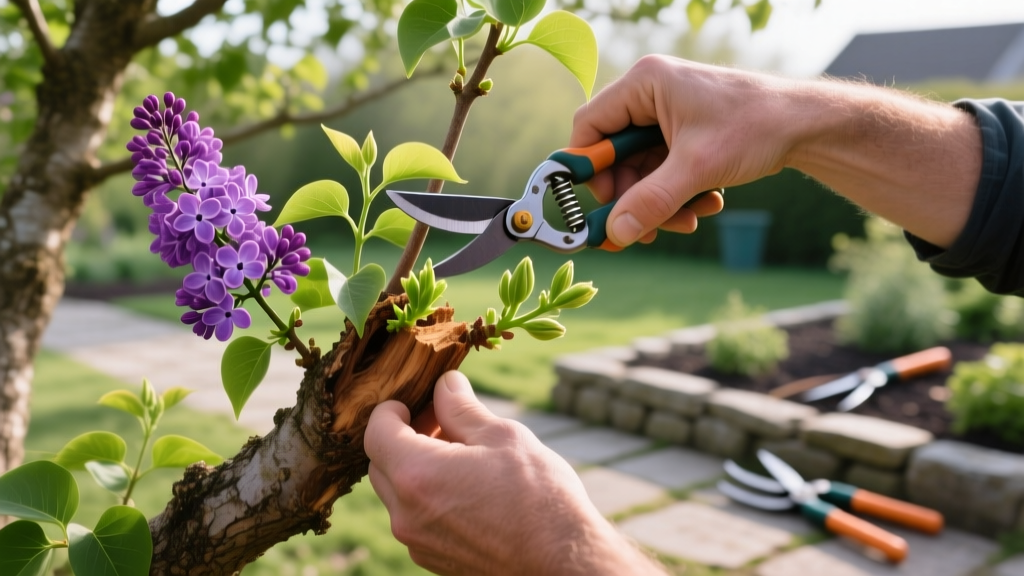
How Do I Trim a Lilac Bush Without Killing Next Year's Blooms?
The Critical Timing Window for Lilac Pruning
The most common question beginners ask is, "how do i trim a lilac bush?" but the more important question is when. Lilacs (Syringa vulgaris) are spring-blooming shrubs that set their flower buds for the following year almost immediately after their current blooms fade. If you prune a lilac bush in late summer, fall, or early spring, you are physically cutting off next year's flowers. According to the University of Minnesota Extension, the absolute golden rule of lilac maintenance is to prune within two to three weeks after the spring flowers have completely dropped. This narrow window allows the plant enough time to generate new wood and set buds for the following spring before winter dormancy sets in.
Beginner Warning: Never prune lilacs in the fall to "clean up the yard." Fall pruning guarantees a bloomless bush the following May. Wait until the petals have fallen and the seed pods begin to form.
Essential Tools and Gear for the Job
Using the wrong tools leads to crushed stems, ragged cuts, and increased susceptibility to bacterial blight. Avoid anvil pruners entirely; they crush the delicate vascular tissue of lilac stems. You need sharp bypass blades. Here is the exact gear you need, along with current 2026 pricing estimates for professional-grade tools that will last a lifetime.
| Tool Type | Recommended Model | Specs / Capacity | Est. Cost | Specific Purpose |
|---|---|---|---|---|
| Bypass Hand Pruners | Felco F-2 Classic | Cuts up to 1" diameter | $55 - $65 | Deadheading blooms, snipping small twigs |
| Bypass Loppers | Corona SL 3204 | Cuts up to 1.75" diameter | $35 - $45 | Removing medium-thick older stems at the base |
| Pruning Saw | Silky F180 (Large Teeth) | Cuts 2"+ diameter wood | $40 - $50 | Sawing through thick, neglected trunks |
| Sterilizer | 70% Isopropyl Alcohol | N/A | $3 - $5 | Wiping blades between cuts to prevent blight |
Step-by-Step: How Do I Trim a Lilac Bush Correctly?
Follow this sequential framework to maintain a healthy, heavily blooming lilac bush. Do not skip steps, as each addresses a different physiological need of the shrub.
Step 1: Deadhead Spent Blooms
Locate the faded flower panicles. Trace the stem down from the dead flower to the first set of healthy, full-sized green leaves. Using your Felco F-2 pruners, make a clean cut at a 45-degree angle exactly 1/4 inch above the node where those leaves meet the stem. Leaving a long, bare stub above the leaves will result in dieback, which invites fungal pathogens. Removing spent blooms prevents the lilac from wasting energy on producing seeds, redirecting that energy into next year's flower buds.
Step 2: Remove Dead, Diseased, and Damaged Wood (The 3 Ds)
Before shaping the bush, look for structural damage. Cut out any branches that are visibly dead (brittle, no green under the bark when scratched), diseased (showing blackened lesions or oozing cankers), or damaged by winter weather. If you spot signs of lilac bacterial blight, dip your pruning shears in 70% isopropyl alcohol after every single cut to avoid spreading the bacteria to healthy tissue.
Step 3: Thin Out Old Stems (Renewal Pruning)
Lilacs bloom best on younger wood. Stems that are thicker than 2 inches in diameter at the base produce very few flowers and block sunlight from reaching the interior of the bush. Identify the oldest, thickest, and most gnarled stems. Using your loppers or pruning saw, cut these stems completely off at ground level. The 1/3 Rule: Never remove more than one-third of the total mature stems in a single year. Removing too much old wood at once sends the plant into shock, triggering a massive flush of weak, non-blooming water sprouts.
Step 4: Eradicate Suckers and Water Sprouts
Suckers are thin, whip-like shoots emerging directly from the root system in the soil. Water sprouts are fast-growing, vertical shoots emerging from older branches. Both sap energy from the main plant and create a dense, humid canopy that encourages powdery mildew. Grab suckers by the base and pull them out with a twisting motion to remove the underground growth node, or cut them flush with the soil. Prune water sprouts back to their point of origin on the main branch.
Beginner Mistakes vs. Expert Corrections
Review this troubleshooting matrix to ensure you aren't making common errors that compromise your shrub's health.
| Common Beginner Mistake | Botanical Consequence | Expert Correction |
|---|---|---|
| Shearing the bush into a square or round shape with hedge trimmers. | Creates a dense outer shell of leaves, shading out the interior. Causes interior branches to die and stops inner bud formation. | Use hand pruners to make selective, individual cuts that follow the plant's natural, vase-like branching structure. |
| Cutting stems midway down the branch to reduce height. | Stimulates a hydra-effect: multiple weak, bushy water sprouts will erupt from the cut node, ruining the plant's architecture. | Always cut branches back to a main junction, a lateral branch, or completely to the ground. Never leave mid-branch stubs. |
| Applying pruning sealant or wound paint to large cuts. | Traps moisture and fungal spores against the exposed wood, accelerating rot rather than preventing it. | Leave cuts exposed to the air. Lilacs naturally compartmentalize decay and form their own callus tissue over clean cuts. |
The 3-Year Rejuvenation Plan for Overgrown Lilacs
If you have inherited a massive, neglected lilac bush that is 10 feet tall and only blooms at the very top, standard pruning will not fix it. You need a hard rejuvenation strategy. According to research published by Michigan State University Extension, you can safely renovate an overgrown lilac over a three-year period without killing it.
- Year 1 (Post-Bloom): Cut out one-third of the oldest, thickest trunks completely at ground level. Remove all dead wood and suckers.
- Year 2 (Post-Bloom): Cut out half of the remaining old, thick trunks at ground level. Begin thinning out the new shoots that sprouted from Year 1's cuts, keeping only the strongest 3 or 4 to become new main trunks.
- Year 3 (Post-Bloom): Remove all remaining original old trunks at ground level. Your bush is now entirely composed of vigorous, young, 1-to-2-year-old wood that will produce massive blooms.
Note: During this 3-year process, you will sacrifice a significant portion of your spring blooms. This is an unavoidable trade-off for long-term plant health and structural correction.
Frequently Asked Questions
Can I trim a lilac bush to keep it small?
Lilacs naturally want to grow 8 to 15 feet tall. If you have a small yard, constantly fighting the plant's genetics with heavy pruning will ruin its blooming cycle. Instead of aggressive topping, plant a dwarf lilac variety like the Bloomerang® or Miss Kim, which naturally max out at 4 to 6 feet tall and require minimal structural pruning.
What do I do with the trimmed lilac branches?
Do not compost diseased wood or branches showing signs of powdery mildew or blight, as home compost piles rarely get hot enough to kill the pathogens. Bag and discard diseased wood in the trash. Healthy, untreated wood chips can be run through a wood chipper and used as mulch in your garden beds, keeping the mulch layer no thicker than 3 inches and away from the base of other shrubs.
Should I fertilize my lilac after pruning?
Generally, no. Lilacs thrive in slightly alkaline, well-draining soil and rarely need heavy fertilization. Applying high-nitrogen fertilizers after pruning will stimulate aggressive, leafy green growth at the expense of flower bud production. If a soil test indicates a severe phosphorus deficiency, you can apply a light top-dressing of bone meal, but avoid standard lawn fertilizers near the root zone.

