Tree Care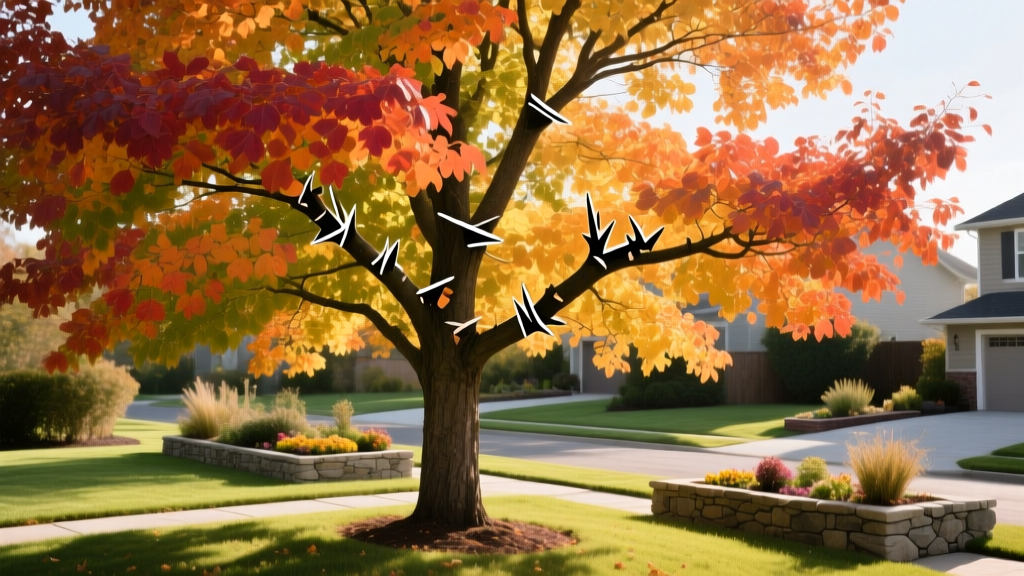
When to Cut Back Trees: USDA Zone & Seasonal Pruning Calendar
Knowing exactly when to cut back trees depends on your USDA hardiness zone, the tree's blooming cycle, and its physiological dormancy state. Pruning at the wrong time can stunt growth, expose fresh wounds to fatal pathogens like oak wilt, or eliminate an entire season's floral display. This guide provides a precise, zone-by-zone calendar and species-specific framework to ensure your cuts trigger rapid woundwood formation rather than decline.
The Biological Clock: Why Timing Dictates Tree Health
Trees do not heal like human tissue; they seal. When you make a cut, the tree relies on a process called Compartmentalization of Decay in Trees (CODIT) to wall off the injury and prevent fungal infiltration. The speed of this compartmentalization is directly tied to the tree's metabolic activity.
The Golden Rule of Pruning: For most deciduous trees, the optimal time to cut back is during late winter dormancy, just before the spring cambial growth flush. The tree's energy reserves are locked in the root system, and the impending spring growth will rapidly push woundwood over the cut site.
Cutting during active summer growth depletes the tree's stored carbohydrates, while pruning in early fall stimulates new, tender growth that will be killed by the first hard freeze. According to the University of Minnesota Extension, late winter pruning also offers the advantage of a clear branch architecture, making it easier to identify crossing limbs and structural defects without foliage obscuring the canopy.
Regional Pruning Calendar by USDA Hardiness Zones
The exact months for "late winter" shift drastically depending on your geography. Use the matrix below to identify your primary structural pruning window.
| USDA Zone | Geographic Region | Deciduous Pruning Window | Evergreen Pruning Window | Primary Risk Factor |
|---|---|---|---|---|
| Zones 3-5 | Northern US, Great Lakes | February to Early April | June to Early July | Frost cracking on fresh cuts if pruned in deep January freezes. |
| Zones 6-8 | Mid-Atlantic, Pacific NW, South | January to Late February | Mid-June to August | Spore transmission of oak wilt and fire blight during warm spells. |
| Zones 9-11 | Deep South, Coastal CA, FL | December to Mid-January | Anytime, avoid peak summer heat | Stimulating new growth that lacks cold-hardiness during rare freezes. |
Northern Climates (Zones 3-5)
In regions with severe winters, avoid pruning in December or January. The extreme cold can cause the moisture inside the wood to freeze and expand, leading to radial frost cracks originating from the pruning wound. Wait until the deep freeze breaks in February. For evergreens like spruce and pine, prune the "candles" (new growth) in late June before the needles fully expand.
Transitional & Southern Climates (Zones 6-8)
These zones face the highest risk of pathogen transmission. If you are pruning oaks in Texas or the Midwest, you must avoid the spring and early summer months when Nitidulid sap beetles are actively vectoring the Bretziella fagacearum fungus (Oak Wilt). The Texas A&M AgriLife Extension mandates that all oak pruning in these zones occurs strictly between August and February, with immediate sealing of wounds only in high-risk oak wilt corridors.
Subtropical & Tropical (Zones 9-11)
Trees in these zones rarely experience true dormancy. Prune deciduous trees immediately after they drop their leaves in December or January. Avoid heavy pruning during the hurricane season (June-November) for large canopy trees, as improper crown thinning can compromise wind resistance.
Species-Specific Exceptions to the Dormancy Rule
While late winter is the baseline for structural pruning, a tree's blooming cycle and vascular mechanics can override the regional calendar.
Spring-Flowering Trees
Trees that bloom on "old wood" (buds formed the previous summer) will lose their floral display if pruned in late winter. This includes Dogwoods, Redbuds, Magnolias, and Lilacs. The Rule: Prune these species within three weeks after their spring petals drop. This allows them to set new buds for the following year during the summer.
Summer-Flowering Trees
Species like Crape Myrtles, Butterfly Bushes, and Rose of Sharon bloom on "new wood" (current season's growth). The Rule: Prune aggressively in late winter/early spring according to your zone's calendar. Cutting them back stimulates vigorous new shoots that will bear flowers by mid-summer.
The "Bleeders": Maples, Birches, and Walnuts
If you cut a maple or birch tree in late winter, it will bleed sap profusely. This is not fatal, but it is messy and can attract pests. The bleeding is caused by massive root pressure—often exceeding 20 psi—as the tree pushes water and dissolved sugars up the xylem to prepare for bud break. The Rule: To avoid bleeding, prune these species in mid-to-late summer (July-August) when root pressure is negligible and the canopy is fully leafed out.
Emergency Protocol: The Three Ds
The seasonal calendar is suspended for the Three Ds: Dead, Damaged, and Diseased wood. If a branch is broken by a storm, showing signs of canker, or completely dead, remove it immediately regardless of the month. Pathogens and wood-boring insects use these compromised entry points to access the heartwood. When removing diseased wood, sterilize your pruning tools with a 10% bleach solution or 70% isopropyl alcohol between every single cut to prevent cross-contamination.
Tool Selection and Cut Mechanics for Seasonal Healing
The timing of your cut is only half the equation; the mechanics of the cut dictate how well the tree utilizes the upcoming growing season to seal the wound.
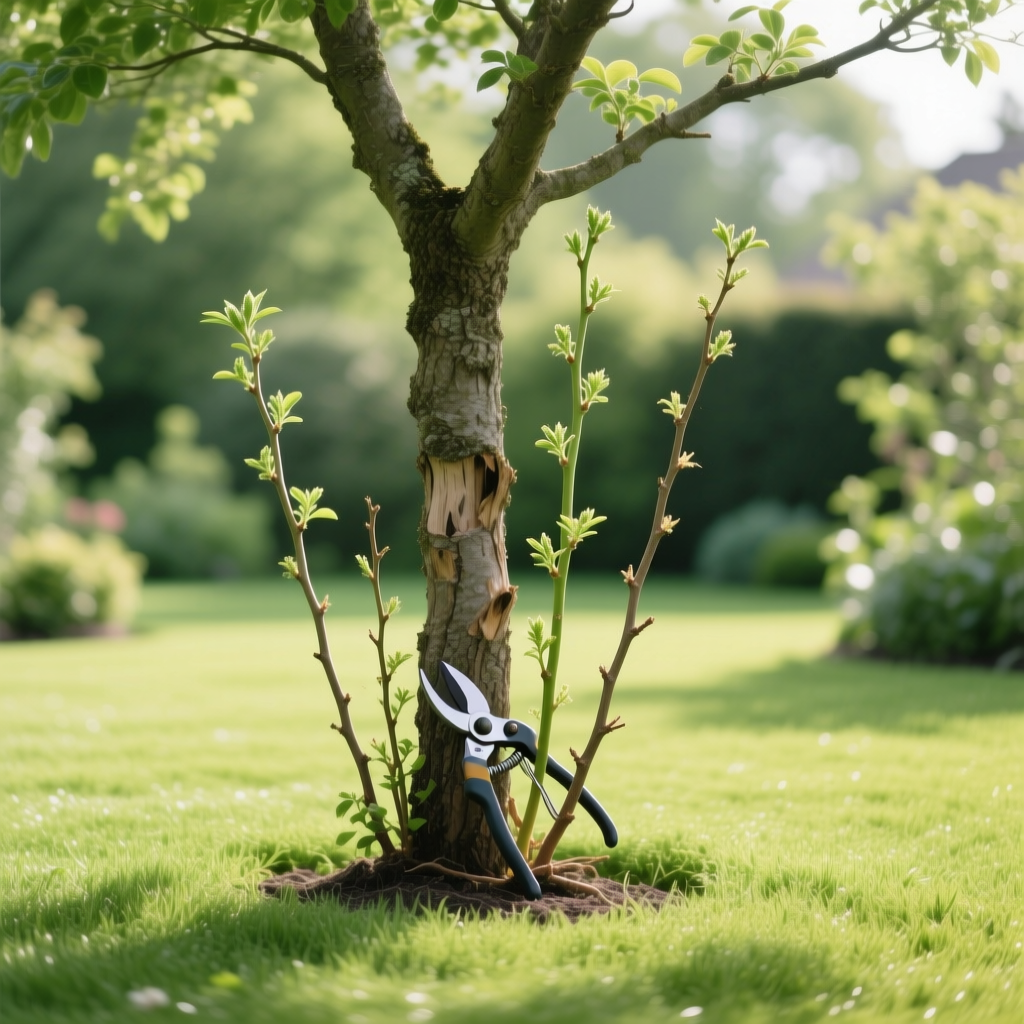
- Bypass Pruners (Under 1" diameter): Use high-carbon steel bypass pruners like the Felco 2. Never use anvil pruners on live wood, as they crush the cambium layer, destroying the cells required for woundwood generation.
- Loppers (1" to 2.5" diameter): Compound action loppers, such as the Corona SL 3264, provide the leverage needed for clean cuts without tearing the bark.
- Pull Saws (Over 3" diameter): Japanese-style pull saws like the Silky Gomboy 240 cut on the pull stroke, preventing the blade from binding in the kerf and allowing for flush, precise cuts.
Locating the Branch Collar
Never make a flush cut against the trunk. The Arbor Day Foundation emphasizes that you must locate the branch collar (the swollen base where the branch meets the trunk) and the branch bark ridge (the raised line of bark in the crotch). Your cut should be made just outside the collar at a 45-degree angle. Leaving the collar intact preserves the chemical boundary zone that prevents decay from entering the main trunk.
Debunking Pruning Sealers
Do not apply pruning paint, tar, or wound sealers to fresh cuts. Decades of arboricultural research have proven that these products trap moisture and fungal spores against the wood, accelerating rot rather than preventing it. Trees are biologically equipped to seal their own wounds; allow the air to dry the cut site so the callus tissue can form naturally.
Frequently Asked Questions
Can I prune my trees in the fall?
Generally, no. Fall pruning is highly discouraged for most species. Fungal spores are abundant in autumn, and the tree's metabolic rate is slowing down, meaning it cannot compartmentalize the wound before winter. Furthermore, pruning stimulates new growth that will not have time to harden off before freezing temperatures arrive.
How much of the canopy can I safely remove at one time?
A mature, healthy tree can tolerate the removal of up to 15% to 20% of its live canopy during a single dormant season. Young, vigorously growing trees can handle up to 25%. Removing more than this triggers a stress response, causing the tree to push out weak, structurally unsound "water sprouts" from the trunk and lateral branches in a desperate attempt to replace lost photosynthetic tissue.
Should I cut back newly planted trees?
Limit pruning on newly planted trees strictly to the removal of broken, dead, or crossing branches. Do not prune the leader or healthy lateral branches to "balance" the root system. The tree needs every available leaf bud to generate the carbohydrates required to establish its root system in the new soil.