
Tree Care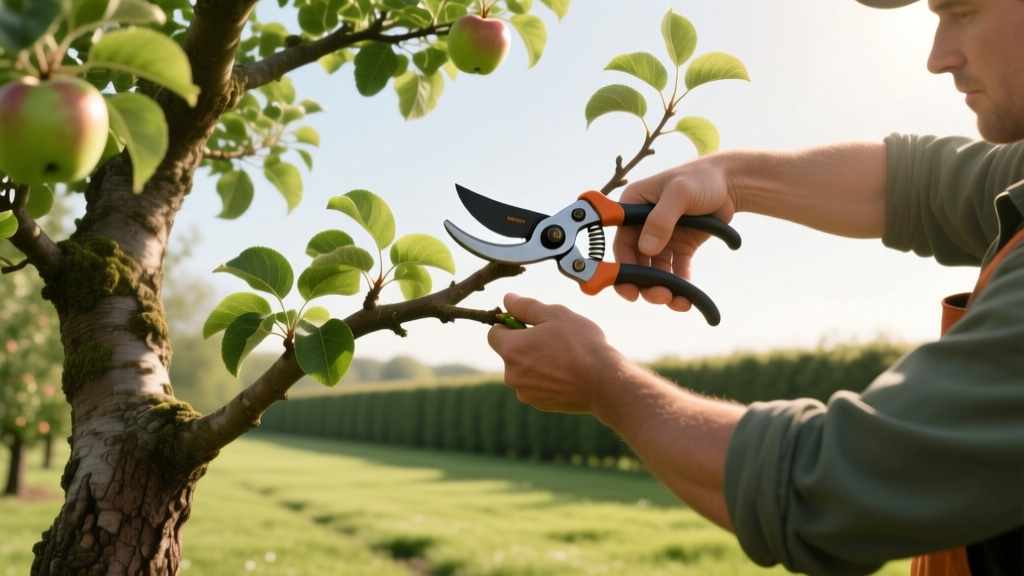
When to Prune Apples: Regional Timing & Seasonal Calendars
The Biological Imperative: Why Timing Dictates Yield
Determining exactly when to prune apples is not a matter of convenience; it is a strict biological calculation. Apple trees (Malus domestica) rely on stored carbohydrate reserves in their root systems during winter. Pruning at the wrong time disrupts the carbon-to-nitrogen ratio, triggering excessive vegetative water sprouts or stunting the development of fruiting spurs. The universal rule for dormant pruning is to execute cuts when the tree is fully dormant but just weeks before the spring sap flow begins. This timing leverages the tree's natural wound compartmentalization process (CODIT), allowing rapid callus tissue formation the moment growth resumes.
Critical Warning: Never prune apple trees in the fall or early winter. Autumn pruning delays dormancy, leaving the tree vulnerable to severe winter kill. Furthermore, pruning wounds made in fall will not callus over until spring, providing a 4-to-6-month entry window for fungal pathogens like Neonectria (apple canker).
Regional Pruning Calendars: When to Prune Apples by Zone
The ideal pruning window shifts dramatically depending on your USDA Hardiness Zone and local microclimates. The goal is to prune during the deepest part of winter that still precedes the 'silver tip' bud swell stage by at least two weeks. Below is the definitive regional calendar for standard and semi-dwarf apple rootstocks (such as M.9 or MM.106).
| USDA Zone | Optimal Pruning Window | Bud Swell Indicator (Stop Pruning) | Regional Edge Cases |
|---|---|---|---|
| Zones 3-4 | Late March to Mid-April | Early May (Green Tip) | Avoid pruning during late-spring frost events; wait for a stable 5-day warming trend. |
| Zones 5-6 | Late February to Late March | Mid-April (Silver Tip) | Ideal window. Soil is often still frozen, protecting root zones from compaction. |
| Zones 7-8 | January to Mid-February | Early March (Half-Inch Green) | Prune later in the window to avoid stimulating early bud break during false springs. |
| Zones 9-10 | December to January | Early February | Low-chill varieties (e.g., Anna, Dorsett Golden) break dormancy rapidly; prune immediately after leaf drop. |
For authoritative guidance on regional variations and specific cultivar responses, consult the University of Minnesota Extension fruit pruning guidelines, which provide excellent data on managing cold-hardy cultivars in northern zones.
The Frost and Disease Edge Cases
The 20°F (-6°C) Threshold
Temperature on the day of pruning matters as much as the month. Do not prune when ambient temperatures are below 20°F (-6°C). At these temperatures, the wood is brittle, and pruning cuts will cause micro-fractures in the cambium layer, leading to desiccation and dieback extending several inches below the cut site. Always schedule your pruning sessions for days when temperatures are steadily above 28°F (-2°C).
Silver Leaf Disease in Wet Climates
In maritime climates or regions with heavy late-winter rainfall (such as the Pacific Northwest or the UK), pruning wounds are highly susceptible to Chondrostereum purpureum, the fungus responsible for Silver Leaf disease. According to the Royal Horticultural Society (RHS), the fungal spores are most active in autumn and winter. To mitigate this, growers in wet climates should delay pruning until late February or early March when spore counts drop and drying winds are more prevalent. Never apply pruning sealants; research from Penn State Extension confirms that sealants trap moisture against the cambium, accelerating rot rather than preventing it.
Summer Pruning: The Vigor-Control Exception
While dormant pruning dictates the tree's structure, summer pruning dictates its vigor. Summer pruning is a secondary calendar event, strictly timed for late July to mid-August (depending on the hemisphere and zone).
The Dwarfing Effect: Removing leaf canopy in mid-summer reduces the tree's photosynthetic capacity. This restricts carbohydrate production, which in turn limits root growth and naturally dwarfs the tree. Use summer pruning exclusively to remove upright water sprouts that shade the inner canopy and to open the tree's center to UV light, which is required for fruit bud initiation for the following year.
Do not summer prune after mid-August in Zones 3-7. Late summer cuts will stimulate new, tender vegetative growth that will not harden off before the first autumn freeze, guaranteeing winter dieback.
Execution: The 3-Cut Dormant Framework
When your regional window arrives, the physical technique must match the timing. Using the wrong tools or making flush cuts destroys the branch collar, preventing the tree from sealing the wound. Equip yourself with high-carbon steel bypass pruners (such as the Felco 2 or ARS VS-8Z) and a 210mm folding pruning saw (like the Silky Gomboy) for limbs over 2 inches in diameter. Never use anvil pruners on live apple wood, as they crush the vascular tissue.
- Identify the Branch Collar: Locate the swollen ridge where the branch meets the trunk. Your final cut must remain just outside this collar. Never make a 'flush cut' against the trunk.
- The Undercut (Cut 1): For limbs thicker than 1.5 inches, make a shallow cut on the underside of the branch, 6 inches away from the trunk. This prevents the bark from tearing down the trunk when the limb falls.
- The Relief Cut (Cut 2): Cut completely through the branch from the top, an inch further out than your undercut. Remove the heavy weight of the limb.
- The Final Collar Cut (Cut 3): Carefully remove the remaining 6-inch stub by cutting just outside the branch collar at a 45-degree angle, sloping away from the trunk to shed water.
By aligning your pruning schedule strictly with your regional dormancy window and respecting the tree's biological thresholds, you shift the tree's energy away from useless vegetative brush and directly into high-density, high-sugar fruiting spurs.

