
Tree Care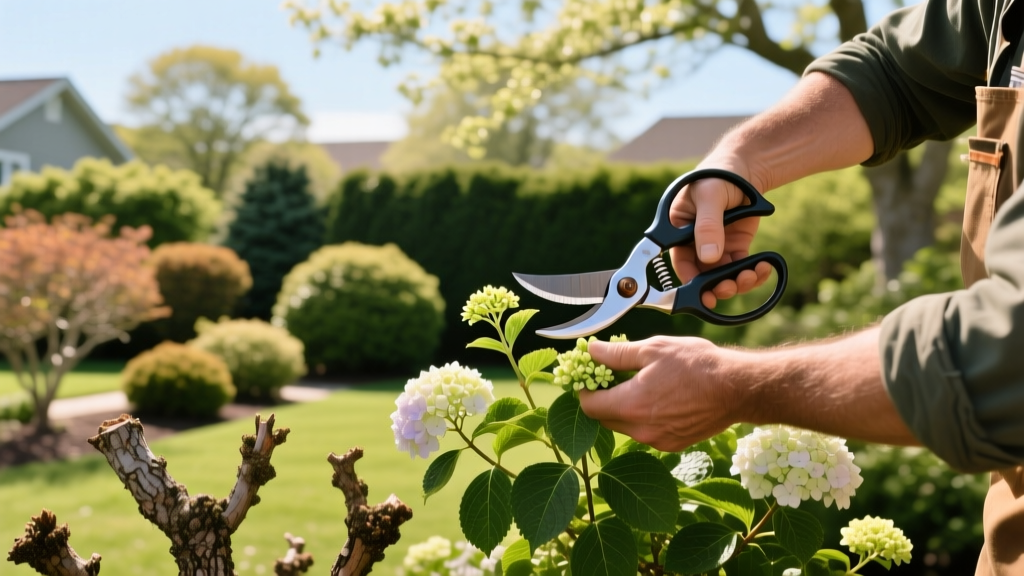
When to Prune Shrubs: A Regional Calendar & Species Guide
Determining exactly when to prune shrubs requires understanding plant physiology, regional climate patterns, and specific species traits. A universal calendar does not exist; cutting a spring-blooming lilac in late winter will eliminate that year's flowers, while neglecting a summer-blooming butterfly bush until spring forfeits optimal structural vigor. Proper timing aligns the plant's natural wound-compartmentalization process with seasonal dormancy, minimizing pathogen exposure and maximizing bloom production.
The Core Mechanism: Old Wood vs. New Wood
The foundational rule of shrub pruning hinges on where the plant sets its flower buds. Shrubs fall into two primary categories regarding bloom timing, which directly dictates the pruning window.
- Spring-Blooming Shrubs (Old Wood): Species like lilac (Syringa vulgaris), forsythia, azalea (Rhododendron spp.), and viburnum form their flower buds during the late summer and fall of the previous year. Pruning these in winter or early spring removes the impending blooms. The correct window is within three to four weeks after the flowers fade, allowing the plant ample time to generate new vegetative growth that will set buds for the following year.
- Summer and Fall-Blooming Shrubs (New Wood): Species such as butterfly bush (Buddleja davidii), rose of Sharon (Hibiscus syriacus), and panicle hydrangea (Hydrangea paniculata) produce flowers on growth that emerges in the current spring. These require late winter or early spring pruning, just before bud break, to stimulate vigorous new shoots that will bear flowers.
Quick Decision Framework: The Bloom-Prune Matrix
If the shrub blooms before June 1st: Prune immediately after flowering ceases. (Focus on shaping and removing spent flower heads).
If the shrub blooms after June 1st: Prune in late winter while fully dormant. (Focus on structural thinning and height reduction).
If the shrub is grown strictly for foliage (e.g., Barberry, Ninebark): Prune in late winter to shape, or shear lightly in mid-summer to maintain density.
Regional Dormancy Calendars by USDA Zone
For shrubs requiring dormant pruning (new-wood bloomers, structural corrections, and rejuvenation), the exact calendar dates shift based on your USDA Hardiness Zone. Pruning too early in winter exposes fresh cuts to freeze-thaw cycles that can cause cambial dieback. Pruning too late wastes the plant's stored carbohydrates on growth that will be immediately severed.
| USDA Zone | Optimal Dormant Pruning Window | Target Bud Break Indicator |
|---|---|---|
| Zones 3 & 4 | Late March to Mid-April | Forsythia petal drop |
| Zones 5 & 6 | Late February to Mid-March | Red maple bud swelling |
| Zone 7 | Mid-February to Early March | Hellebore emergence |
| Zones 8 & 9 | January to Mid-February | Camellia post-bloom phase |
| Zone 10+ | December to January | Coolest average monthly temp |
According to the University of Minnesota Extension, executing dormant cuts just before the spring sap flow begins allows the plant to rapidly initiate callus tissue over the wound, sealing out wood-decaying fungi.
Species-Specific Directives and the Hydrangea Matrix
While the old-wood/new-wood rule covers most scenarios, certain genera require highly specific interventions. Boxwoods (Buxus spp.), for instance, should only be lightly thinned in early spring to improve interior airflow, mitigating the risk of Boxwood Blight (Calonectria pseudonaviculata). Heavy shearing of boxwoods creates dense outer canopies that trap humidity and invite fungal pathogens.
The Hydrangea Exception Matrix
Hydrangeas are the most frequently mis-pruned shrubs in residential landscapes because the genus contains species with opposing physiological rules. Refer to the Clemson Home and Garden Information Center guidelines for genus-specific handling.
| Species | Wood Type | When to Prune | Pruning Method |
|---|---|---|---|
| H. macrophylla (Bigleaf) | Old Wood | July/August (Post-bloom) | Thin oldest canes at base; deadhead only in spring. |
| H. paniculata (Panicle) | New Wood | Late Feb / Early March | Hard prune to 18-24" framework for massive blooms. |
| H. arborescens (Smooth) | New Wood | Late Winter | Can be cut entirely to ground level annually. |
| H. quercifolia (Oakleaf) | Old Wood | July (Post-bloom) | Minimal pruning; remove only dead/crossing branches. |
Precision Tooling and Pathogen Sanitation
The physical execution of the cut is as critical as the timing. Clean, sharp tools prevent cambial tearing, which delays healing. For live stems up to 3/4 inch in diameter, use high-quality bypass pruners like the Felco F-2 or Corona BP 3180. Anvil pruners crush live tissue and should be strictly reserved for deadwood removal. For branches between 3/4 inch and 1.5 inches, utilize geared loppers (e.g., Felco 200). Anything exceeding 1.5 inches requires a curved pruning saw, such as the Silky Gomboy 210, to ensure a flush cut without binding the blade.
Critical Sanitation Protocol
When pruning shrubs susceptible to vascular diseases like Fire Blight (Erwinia amylovora) or Boxwood Blight, tools must be sterilized between every single cut. Wipe blades with 70% isopropyl alcohol or a 10% bleach solution (1 part household bleach to 9 parts water). Note that bleach accelerates the corrosion of high-carbon steel blades; if using bleach, rinse the blades with water and apply a light coat of Camellia oil or 3-in-1 machine oil immediately after your pruning session.
Correcting Structural Failure Modes
Homeowners frequently commit structural errors that compromise long-term shrub health. Understanding the difference between thinning cuts and heading cuts is mandatory for proper maintenance.
- Thinning Cuts (Preferred): Removing an entire branch back to its point of origin (the main trunk or a larger lateral branch). This opens the canopy to sunlight and air circulation, reducing fungal pressure and maintaining the shrub's natural architecture. Make the cut just outside the branch collar—the swollen area where the branch meets the trunk—without leaving a stub or cutting flush into the trunk.
- Heading Cuts (Use Sparingly): Cutting a branch back to a bud or a stub. This destroys apical dominance and forces the growth of dense, bushy water sprouts below the cut. While useful for creating formal hedges, excessive heading cuts on informal shrubs like viburnum or dogwood results in an unnatural, broom-like appearance and shades out the interior of the plant.
Furthermore, adhere strictly to the One-Third Rule. Never remove more than 25% to 33% of a shrub's live canopy in a single growing season. Exceeding this threshold triggers severe physiological stress, depleting root carbohydrate reserves and making the plant highly susceptible to secondary borers and environmental drought stress. If a shrub requires massive rejuvenation, stagger the removal of the oldest, thickest canes over a three-year period.
"The most common mistake we diagnose in extension clinics isn't pruning at the wrong time of year, but rather the chronic over-shearing of spring-blooming shrubs into tight geometric shapes, which entirely eliminates the floral display and invites interior dieback."
— Adapted from Penn State Extension Woody Ornament Pruning Guidelines
Mastering when to prune shrubs ultimately requires observing the specific plant in your specific microclimate. Track your shrub's bloom times, note the local bud-break indicators, and apply the correct cut type with sanitized steel. This disciplined approach ensures vigorous growth, maximum floral output, and long-term structural integrity.

