
Tree Care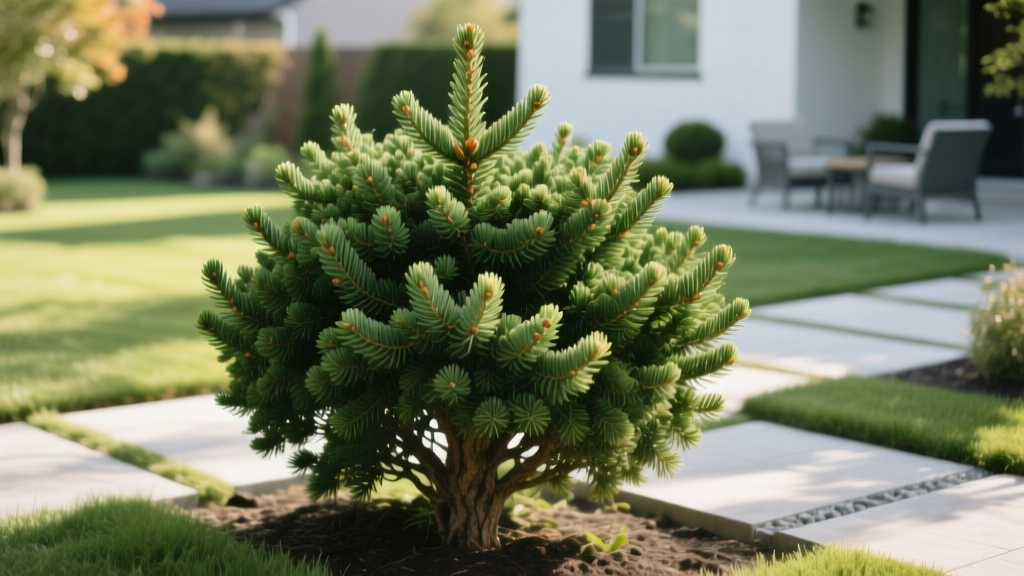
When to Trim Evergreen Bushes by USDA Zone and Species
The Biological Trigger: Why Timing Dictates Evergreen Health
Evergreen bushes do not follow the same dormancy rules as deciduous trees. Because they retain their foliage year-round, they continuously lose moisture through transpiration. Pruning an evergreen at the wrong time—specifically in late fall or early winter—exposes tender, unhardened inner tissue to desiccating winds and freezing temperatures, leading to severe winter burn. The exact window for trimming depends entirely on your USDA Hardiness Zone and whether the shrub is a narrowleaf conifer or a broadleaf evergreen.
According to the University of Minnesota Extension, the safest universal window for most evergreens is late winter to early spring, just before the new growth begins to elongate but after the threat of hard freezes has passed. However, regional microclimates require precise calendar adjustments to avoid catastrophic dieback.
Regional Pruning Calendar by USDA Hardiness Zone
Use this regional matrix to determine your primary pruning window. These dates target the period just before the spring cambium surge, allowing the plant to rapidly seal pruning wounds.
| USDA Zone | Region Examples | Primary Pruning Window | Secondary (Touch-up) Window |
|---|---|---|---|
| Zones 3–4 | ND, MN, Northern ME | Late April – Mid May | Early July (Before Aug 1) |
| Zones 5–6 | NY, PA, IL, CO | Mid March – Late April | Late June – Mid July |
| Zones 7–8 | VA, TN, AR, Seattle | Late Feb – Mid March | Early June |
| Zones 9–10 | FL, Southern CA, TX Gulf | January – February | Late August (Post-monsoon) |
⚠️ Regional Warning: The 'False Spring' Trap
In Zones 5–7, unseasonably warm February weeks often trigger early bud break. If you prune during a false spring and a hard frost (below 28°F) hits 48 hours later, the exposed vascular tissue will suffer irreversible dieback. Always check the 14-day extended forecast before making structural cuts.
In Zones 5–7, unseasonably warm February weeks often trigger early bud break. If you prune during a false spring and a hard frost (below 28°F) hits 48 hours later, the exposed vascular tissue will suffer irreversible dieback. Always check the 14-day extended forecast before making structural cuts.
Species-Specific Timing: Conifers vs. Broadleaf Evergreens
The term 'evergreen' encompasses vastly different botanical structures. A pruning schedule that optimizes a Juniper will ruin a Rhododendron's bloom cycle.
1. Narrowleaf Conifers (Pines, Spruces, Junipers, Yews)
- Pines (Pinus spp.): Pines only produce one flush of growth per year from terminal buds. You must trim them during the 'candle stage'—when the new shoots have elongated to 2–4 inches but the needles have not yet unfurled. In Zone 5, this is typically late May. Snap or cut the candle by 1/3 to 1/2 its length to force lateral branching. Never cut into old, needle-less wood; pines will not regenerate from bare branches.
- Spruces and Firs: These have lateral buds along the stems. Prune in late winter or early spring. The Arbor Day Foundation recommends cutting back to a lateral bud to maintain a dense, natural conical shape.
- Junipers and Arborvitae: Tolerate shearing well but must be trimmed in early to mid-spring. Always leave a 'green belt' of living foliage on the exterior. If you shear past the green tissue into the brown, dead zone, the shrub will remain permanently bare in that spot.
2. Broadleaf Evergreens (Boxwood, Holly, Rhododendron, Azalea)
- Boxwood (Buxus spp.): Prune in late spring after the first flush of growth has hardened off (usually late May to early June in Zone 6). Avoid shearing after August 15th; late-season cuts stimulate tender new growth that will be killed by the first autumn frost.
- Rhododendrons & Azaleas: Timing is dictated by bloom, not just foliage. Prune strictly within three weeks after they finish flowering in late spring. Pruning in late summer or fall will amputate next year's flower buds, which form in late July.
- Holly (Ilex spp.): Best pruned in early spring before the new growth starts, or in late winter while fully dormant. This preserves the winter berry display, which is the primary ornamental value of female cultivars.
Edge Cases: Managing Late Frosts and Monsoon Climates
Standard calendars fail in extreme microclimates. Here is how to adapt your strategy based on regional anomalies.
The Pacific Northwest (Zone 8b - Wet Winters)
In areas with heavy winter rains and mild temperatures, fungal pathogens like Phomopsis blight thrive in pruning wounds. Delay pruning until the dry spring window (April/May) and apply a copper-based fungicide (like Bonide Liquid Copper at 2 tbsp per gallon) immediately after making structural cuts on Junipers.
The Desert Southwest (Zone 9b - Monsoon Summers)
For evergreens like Texas Ranger or Oleander in Arizona and New Mexico, avoid pruning during the peak heat of July. The intense UV radiation will scorch the newly exposed inner bark. Schedule your heavy structural thinning for late February, and limit summer trimming to light tip-pruning to manage size.
The Wound Sealant Myth: Protecting Pruning Cuts
Historically, gardeners applied pruning paint or tar to evergreen cuts to 'seal' the wound. Modern arboriculture has thoroughly debunked this practice. According to research cited by the Oregon State University Extension, wound dressings actually trap moisture and fungal spores against the exposed cambium, accelerating decay rather than preventing it. Evergreens possess natural defense mechanisms—specifically, the production of resin and pitch in conifers, and compartmentalization (CODIT) in broadleaf species—to seal their own wounds. Your focus should be on making clean, angled cuts with sterilized bypass blades, allowing the plant's natural chemistry to do the work.
Recommended Tool Loadout for Evergreens
Using the wrong tool crushes the cambium layer, inviting disease. Invest in bypass mechanics for live wood.
- Hand Pruning (Candles & Stems): Felco 2 Classic Bypass Pruners ($55–$65). The hardened steel blade makes clean cuts on 1/4-inch pine candles without crushing the tissue.
- Hedge Shearing (Boxwood & Yew): ARS HS-KR-1000 Professional Hedge Shears ($70–$80). The curved, fluorocarbon-coated blades grip the waxy evergreen leaves, preventing the slipping that causes jagged tear marks on broadleaf foliage.
- Lopping (Thick Holly Stems): Corona SL 3264 ComfortGEL Bypass Lopper ($45). The compound action provides the leverage needed for 1.5-inch holly branches.
Frequently Asked Questions
Can I trim evergreen bushes in the fall?
Generally, no. Fall pruning stimulates new growth that cannot harden off before winter. The tender new shoots will suffer desiccation and dieback when freezing winds hit. The only exception is removing dead, diseased, or structurally compromised branches that pose a hazard during winter storms.
How much of an evergreen bush can I safely remove at one time?
Follow the 'One-Third Rule.' Never remove more than 33% of the total living foliage in a single growing season. Exceeding this threshold depletes the shrub's carbohydrate reserves, stunting root development and making the plant highly susceptible to borer insects and environmental stress.
Why is the inside of my evergreen bush brown after trimming?
This is usually a combination of two factors: the natural shedding of older interior needles (which occurs in autumn for most conifers) and the 'dead zone.' Conifers like junipers and arborvitae do not produce new buds on old, bare wood. If you or a previous landscaper sheared the bush too aggressively into the brown interior, those bare spots will remain permanently empty. Always maintain a 2-inch exterior green belt of foliage when shaping.

