Tree Care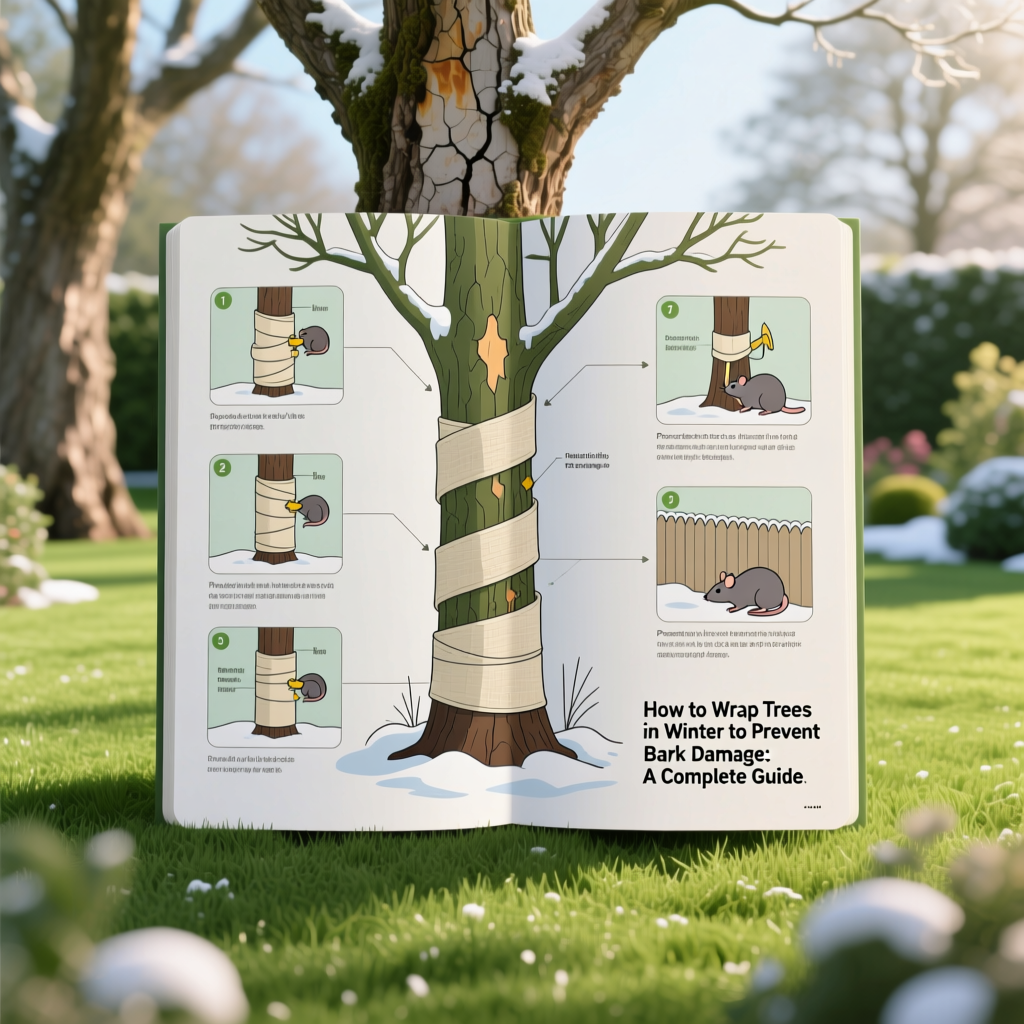
How to Wrap Trees in Winter to Prevent Bark Damage: A Complete Guide
Robert HayesPublished
How to Wrap Trees in Winter to Prevent Bark Damage
Winter can be a brutal season for your landscape, and while most homeowners focus on protecting their lawns and garden beds, trees often go overlooked until damage appears. One of the most effective and affordable ways to protect young and thin-barked trees during the colder months is by wrapping their trunks. Tree wrapping in winter prevents bark damage caused by sunscald, frost cracks, animal browsing, and mechanical injury from snow removal equipment.
Bark damage is not merely a cosmetic issue. The bark of a tree serves as its primary defense system, protecting the vital cambium layer beneath — the tissue responsible for transporting water and nutrients throughout the tree. When bark is compromised, trees become vulnerable to disease, insect infestation, and structural weakening. In severe cases, extensive bark damage can kill an otherwise healthy tree.
Whether you are a seasoned gardener or a new homeowner looking to protect your landscape investment, this comprehensive guide will walk you through everything you need to know about wrapping trees in winter to prevent bark damage. From understanding why damage occurs to choosing the right materials and applying them correctly, you will find actionable advice to keep your trees thriving through even the harshest winters. For more general tips on maintaining a healthy yard year-round, check out our seasonal lawn care guide.
Why Trees Need Winter Protection: Understanding Bark Damage
Before diving into the mechanics of tree wrapping, it is essential to understand the types of winter bark damage that threaten your trees and why wrapping is such an effective preventive measure.
Sunscald (Southwest Injury)
Sunscald is one of the most common forms of winter bark damage, and it is somewhat counterintuitive. During winter, the sun can heat up the bark on the south and southwest sides of a tree trunk to temperatures significantly above the surrounding air temperature. This warming activates cells in the cambium layer beneath the bark. When the sun sets or clouds roll in, temperatures plummet rapidly, and those newly activated cells freeze and die. The result is a sunken, discolored, or cracked area on the trunk that can girdle and weaken the tree over time.
Young trees with thin bark are especially susceptible to sunscald. Species such as maples, honey locusts, lindens, ashes, and fruit trees are particularly at risk. The damage often does not become visible until spring or summer, when the bark sloughs off to reveal dead tissue underneath — by which point the harm is already done.
Frost Cracks
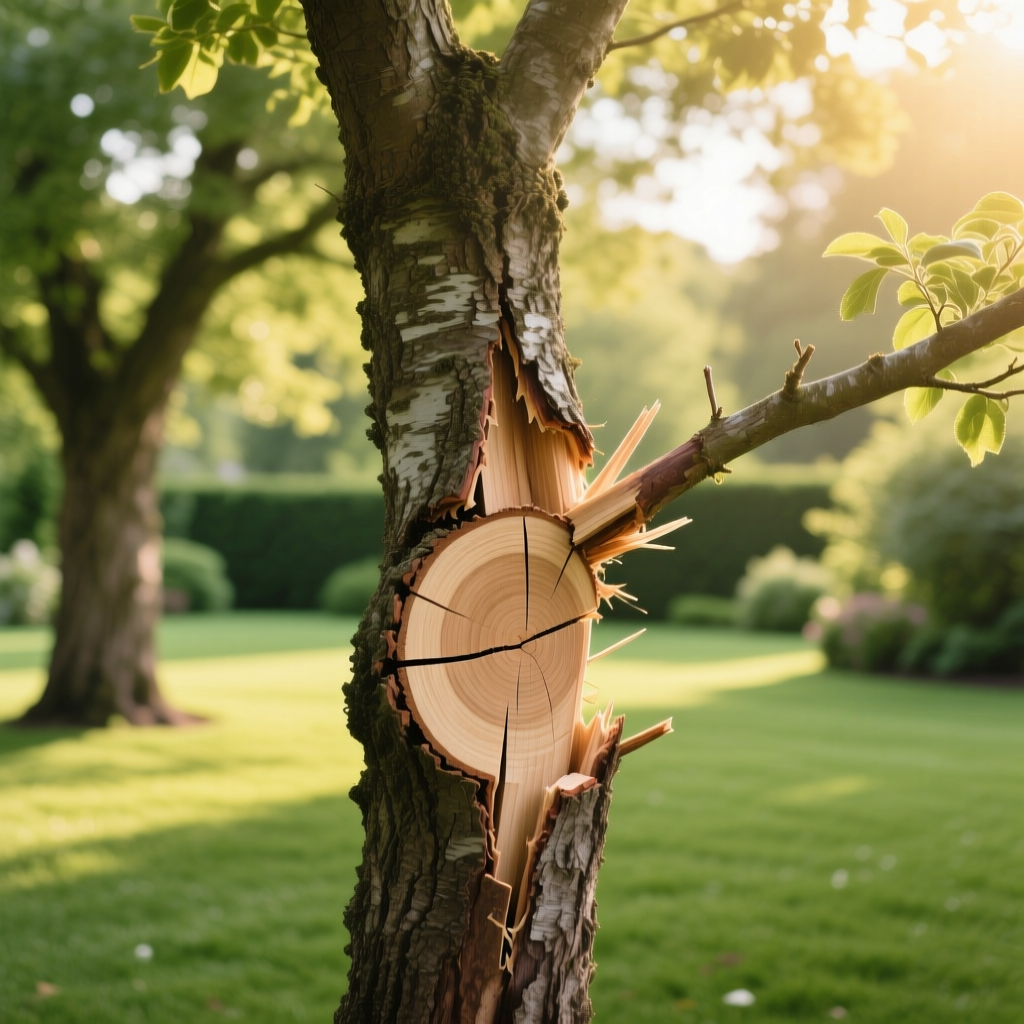
Frost cracks are vertical splits in the bark and wood of a tree trunk caused by extreme temperature fluctuations. Water inside the tree freezes and expands, creating internal pressure that can cause the trunk to crack open with an audible snap. These cracks provide entry points for pathogens, borers, and decay organisms. While frost cracks can sometimes heal over multiple growing seasons, repeated cracking in the same location weakens the tree structurally and invites serious disease.
Animal Browsing and Gnawing
When food sources become scarce in winter, rabbits, voles, mice, and deer turn to tree bark as a food source. Voles and mice are particularly destructive because they gnaw at the base of the trunk, sometimes below the snowline where damage goes unnoticed until spring. If these animals girdle a tree by eating a complete ring of bark around the trunk, the tree will likely die because its nutrient transport system has been severed.
Mechanical Damage
Snow shovels, plows, string trimmers, and ice scrapers can all inflict wounds on tree trunks during winter maintenance activities. Even small nicks and scrapes compromise the bark's protective function and create openings for disease organisms. A proper tree wrap provides a physical buffer against these accidental impacts.
For a broader understanding of how to identify and address tree health issues, visit our common tree diseases guide.
Which Trees Should Be Wrapped in Winter?
Not every tree in your landscape requires winter wrapping. Understanding which trees benefit most from this practice will help you focus your efforts where they matter most.
Young and Newly Planted Trees
Trees that have been planted within the last two to three growing seasons are the top candidates for winter wrapping. Their bark has not yet developed the thick, corky outer layer that provides natural insulation and protection. Until a tree establishes a mature bark texture, it remains vulnerable to temperature extremes and animal damage. Plan to wrap newly planted trees for at least their first two to three winters, and potentially longer in regions with severe cold.
Thin-Barked Species
Certain tree species have naturally thin or smooth bark that offers less protection against winter injury. These include:
- Maples (especially red maple, sugar maple, and Japanese maple)
- Honey locust
- Linden (basswood)
- Ash
- Elm
- Willow
- Fruit trees (apple, cherry, plum, pear)
- Birch
- Crabapple
- Mountain ash
If your landscape includes any of these species, especially in exposed locations with full winter sun exposure, wrapping is strongly recommended.
Trees in Exposed Locations
Trees planted in open areas with no windbreak or shade from structures or other plantings receive the full force of winter sun and wind. South-facing and southwest-facing exposures are the most dangerous for sunscald. Trees near reflective surfaces such as buildings with light-colored walls, paved driveways, or white fencing may experience amplified damage due to reflected sunlight increasing bark temperatures.
Trees Showing Previous Damage
If a tree has suffered bark damage in previous winters, wrapping can protect the wounded area while it heals and prevent further injury that could compound the problem. Monitor your trees each spring for signs of sunscald or frost cracks, and prioritize wrapping any that show evidence of past injury.
For guidance on proper planting techniques that set young trees up for long-term health, see our guide to planting trees correctly.
How to Wrap Trees for Winter: Step-by-Step Instructions
Proper technique matters just as much as the decision to wrap. Incorrect wrapping can trap moisture against the bark, encourage fungal growth, or girdle the tree as it grows. Follow these steps for effective, safe tree wrapping.
Step 1: Choose the Right Material
Several materials work well for winter tree wrapping, each with advantages and considerations:
- Commercial tree wrap paper: This is a crepe-paper-like material specifically designed for tree wrapping. It is breathable, biodegradable, and easy to apply. It typically comes in rolls 4 to 6 inches wide and is the most popular choice among homeowners and arborists alike.
- Burlap: Natural burlap fabric provides excellent protection against sun and wind while allowing the trunk to breathe. It is especially useful for wrapping larger trunks or for creating a barrier against animal browsing. Burlap can be reused for multiple seasons if stored properly.
- Plastic tree guards: Rigid or flexible plastic guards that slip around the trunk are effective against animal damage and mechanical injury. They are reusable and quick to install but must be monitored to ensure they do not trap moisture or constrict growth. Always choose white or light-colored plastic guards, as dark colors absorb heat and can worsen sunscald.
- White fabric or cloth: Light-colored fabric reflects sunlight and helps regulate bark temperature. Cotton or poly-blend wraps work well and can be washed and reused.
Avoid using dark-colored materials, duct tape, electrical tape, or any non-breathable wrapping that could trap moisture and promote rot. Never use wire or anything that could cut into the bark as the tree grows.
Step 2: Prepare the Tree
Before wrapping, inspect the trunk for any existing wounds, cracks, or signs of disease. Remove any loose or peeling bark gently, and note any areas that may need attention. Clean the trunk surface by brushing off dirt and debris. If you notice signs of insect activity or fungal growth, address these issues before wrapping by consulting our tree pest control guide.
Make sure the trunk is dry before applying any wrap material. Wrapping a wet trunk can trap moisture and encourage fungal diseases beneath the wrap.
Step 3: Begin Wrapping at the Base
Start wrapping at the base of the trunk, just above the soil line. If you are protecting against voles and mice, begin slightly below grade or press the bottom edge of the wrap into the mulch to close off access. Overlap each successive layer by about one-third to one-half of the wrap width, working your way up the trunk in a spiral pattern.
Keep the wrap snug but not tight. The material should stay in place without compressing the bark or restricting the tree's natural expansion and contraction. A good rule of thumb is that you should be able to slip a finger between the wrap and the bark at any point.
Step 4: Wrap to the Right Height
Continue wrapping up the trunk to a height of approximately 18 to 24 inches above the ground, or to the first set of lower branches, whichever is lower. For sunscald protection, this height covers the most vulnerable portion of the trunk. In areas with heavy snowfall or significant animal pressure, you may want to wrap higher — up to 36 inches or more — to account for snow depth and the reach of standing rabbits.
Step 5: Secure the Top
Once you reach the desired height, secure the end of the wrap using a small piece of masking tape, a biodegradable twine tie, or a tack staple. Avoid wrapping tape entirely around the trunk, as this can girdle the tree. The goal is simply to keep the end of the wrap from unraveling.
Step 6: Remove the Wrap in Spring
This step is critical and often overlooked. Tree wrap is a seasonal protection tool, not a permanent installation. Remove all wrap material in early spring, once the risk of hard freezes has passed and the tree begins its active growth period. Leaving wrap on through the growing season traps moisture, encourages fungal and bacterial growth, provides shelter for boring insects, and can girdle the tree as the trunk expands. Mark your calendar or set a reminder to check and remove wraps each spring.
If you use plastic guards, remove them in spring, clean them, and store them for reuse the following winter. Inspect the trunk when you remove the wrap for any signs of moisture damage, insect activity, or disease, and address issues promptly.
Complementary Winter Tree Care Practices
Wrapping is one piece of a comprehensive winter tree care strategy. Combining wrapping with these additional practices will give your trees the best possible protection through the cold months.
Mulching for Root Protection
Apply a 2- to 4-inch layer of organic mulch around the base of your trees, extending out to the drip line if possible. Mulch insulates the soil, moderates temperature fluctuations around the root zone, and helps retain soil moisture. Keep mulch a few inches away from the trunk itself to prevent moisture buildup and rodent harborage. Wood chips, shredded bark, and leaf mold all make excellent mulch choices. Learn more about proper mulching techniques in our mulching guide.
Watering Before the Ground Freezes
Trees, especially evergreens and newly planted specimens, benefit from deep watering in late fall before the ground freezes solid. Adequate soil moisture helps trees withstand winter desiccation, which occurs when frozen ground prevents roots from replacing water lost through transpiration. A well-hydrated tree is more resilient to frost cracks and winter burn. Continue watering as long as the ground remains unfrozen and temperatures are above approximately 40 degrees Fahrenheit.
Pruning for Structure and Health
Winter is an ideal time to prune deciduous trees. With the leaves gone, the branch structure is clearly visible, making it easier to identify dead, diseased, crossing, or structurally weak limbs. Removing these branches reduces the risk of winter storm damage and promotes healthier growth in spring. Use clean, sharp tools and make proper cuts just outside the branch collar. For detailed pruning guidance, read our complete tree pruning guide.
Protecting Against Salt Damage
If your trees are near roads, driveways, or walkways that receive de-icing salt, they face an additional winter hazard. Salt spray and salt-laden snow can damage bark, burn foliage on evergreens, and accumulate in the soil around roots. Where possible, use salt alternatives such as calcium magnesium acetate or sand for traction. Erect burlap screens to shield trees from salt spray, and flush the soil around affected trees with fresh water in early spring to leach accumulated salts from the root zone.
Managing Snow and Ice Load
Heavy snow and ice accumulation on branches can cause breakage, especially on multi-stemmed trees and species with weak branch unions. Gently brush heavy snow from branches using a broom, sweeping upward to avoid putting additional downward pressure on the limbs. Do not attempt to break ice off branches, as the frozen wood is brittle and you are more likely to cause damage. Let ice melt naturally. For trees prone to splitting, consider installing cables or braces during the growing season — consult a certified arborist for this work.
Healthy soil is the foundation of healthy trees. Our soil testing guide can help you understand your soil composition and make appropriate amendments to support strong tree growth.
Common Mistakes to Avoid When Wrapping Trees
Even well-intentioned tree wrapping can cause harm if done incorrectly. Avoid these common pitfalls to ensure your efforts protect rather than damage your trees.
Wrapping Too Tightly
A wrap that is applied too tightly restricts the tree's natural growth and can girdle the trunk, cutting off the flow of nutrients and water through the cambium layer. Always leave enough slack to allow for trunk expansion. The wrap should stay in place but feel loose enough that you can easily slide your hand between it and the bark.
Leaving the Wrap on Year-Round
Perhaps the most damaging mistake homeowners make is forgetting to remove tree wrap in spring. Permanent wrapping creates a dark, moist environment that is ideal for fungal pathogens, bark-feeding insects, and decay organisms. It also prevents the bark from hardening off naturally, making the tree more dependent on artificial protection each year. Set a specific date each spring — around the time your lawn needs its first mowing — to inspect and remove all tree wraps.
Using the Wrong Materials
Black plastic, rubber, duct tape, and other non-breathable or dark-colored materials should never be used for tree wrapping. Dark materials absorb solar heat, defeating the purpose of wrapping by actually increasing the temperature swings the bark experiences. Non-breathable materials trap moisture and create conditions favorable for rot and disease.
Wrapping Trees That Do Not Need It
Mature trees with thick, furrowed bark — such as oaks, hickories, and mature sycamores — generally do not benefit from winter wrapping. Their natural bark provides sufficient insulation and protection. Wrapping these trees is unnecessary work and can create problems if the wrap traps moisture against bark that is adapted to being exposed. Focus your wrapping efforts on young trees, thin-barked species, and trees in vulnerable locations.
Ignoring the Root Zone
Wrapping the trunk while neglecting the root zone leaves a critical vulnerability unaddressed. Freeze-thaw cycles in the soil can heave newly planted trees out of the ground, exposing roots to freezing air and drying winds. Proper mulching and watering are essential companions to trunk wrapping for comprehensive winter protection.
Frequently Asked Questions About Wrapping Trees in Winter
When should I wrap my trees for winter?
The best time to wrap trees is in late fall, after the first hard frost but before the ground freezes solid. This timing typically falls between late October and late November in most temperate regions, though exact timing depends on your local climate. The goal is to have the wrap in place before sustained freezing temperatures and winter sun exposure begin to stress the bark. Wrapping too early in the season, while temperatures are still warm, can create a sheltered environment for insects and fungal growth, so wait until the tree has gone fully dormant.
How long should tree wrap stay on?
Tree wrap should remain on throughout the winter season and be removed in early spring, typically around the time of the last expected frost or when you see the first signs of bud break. In most regions, this means the wrap will be on for approximately four to five months. Never leave tree wrap on through the growing season. Remove it promptly in spring, inspect the trunk for any damage or disease, and allow the bark to breathe and harden naturally through the warm months.
Can I use plastic wrap or garbage bags to wrap my trees?
It is not recommended to use plastic wrap, garbage bags, or similar non-breathable materials for tree wrapping. These materials trap moisture against the bark, creating ideal conditions for fungal diseases and rot. Dark-colored plastics also absorb heat from the sun, which can worsen the very temperature fluctuations you are trying to prevent. Stick with breathable, light-colored materials such as commercial tree wrap paper, white burlap, or purpose-made plastic tree guards that are specifically designed with ventilation in mind.
Do I need to wrap my trees every winter?
Young trees typically need wrapping for their first two to three winters after planting, or until the bark develops a thicker, more mature texture. After that, most trees develop sufficient natural protection and no longer require wrapping. However, thin-barked species in exposed locations may benefit from wrapping for a longer period. Monitor your trees each spring for signs of sunscald or frost cracking. If damage continues to appear on a mature tree, continue wrapping it or consider whether a change in the surrounding landscape — such as planting a windbreak or installing a shade structure — might reduce exposure.
Will wrapping prevent all types of winter tree damage?
Tree wrapping is highly effective at preventing sunscald, frost cracks, animal browsing on the trunk, and minor mechanical damage, but it is not a cure-all. It will not protect branches from ice and snow load damage, prevent root injury from frozen soil, or stop desiccation of evergreen foliage. Comprehensive winter tree care requires a multi-pronged approach that includes proper watering, mulching, pruning, and, in some cases, anti-desiccant sprays for evergreens. Think of wrapping as one important component of a broader winter landscape care strategy that keeps your entire yard healthy through the cold months.
What should I do if I discover bark damage in spring?
If you remove your tree wrap in spring and discover bark damage, assess the extent of the injury. Small, shallow areas of sunscald or minor frost cracks often heal on their own as the tree grows new tissue over the wound. Do not apply paint, tar, or sealants to the wound, as these can trap pathogens inside. Instead, use a sharp, sterilized knife to carefully trace around the damaged area and remove any loose bark, creating a clean edge that promotes callus formation. Keep the tree well-watered and fertilized appropriately to support its natural healing process. If damage covers more than one-quarter of the trunk circumference or you notice signs of decay, consult a certified arborist for a professional assessment. Our tree wound care guide offers additional advice on managing bark injuries.
Final Thoughts on Winter Tree Wrapping
Wrapping trees in winter is one of the simplest, most cost-effective practices you can adopt to protect your landscape. A roll of commercial tree wrap costs just a few dollars and takes only minutes to apply, yet it can prevent hundreds or even thousands of dollars in damage to valuable trees. The practice is especially important for young trees that represent the future canopy of your yard — trees that, once lost to preventable bark damage, take decades to replace.
By understanding why bark damage occurs, choosing the right trees to wrap, selecting appropriate materials, and applying wraps correctly, you give your trees the best chance of emerging from winter healthy and undamaged. Combine wrapping with proper fall watering, mulching, and pruning for a comprehensive approach to winter tree care.
Your trees are a long-term investment in your property's beauty, shade, and value. A little preventive attention each fall pays dividends for decades to come. Explore more of our tree care resources and lawn care guides to keep your entire landscape thriving in every season.