Lawn Care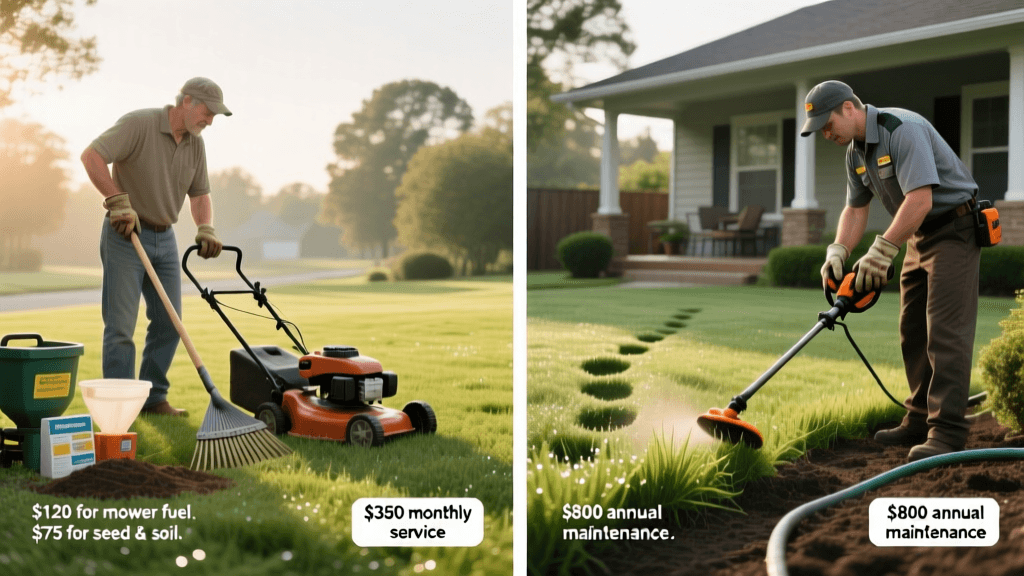
Annual Lawn Care Budget: DIY vs Professional Costs
Introduction to Lawn Care Budgeting
Maintaining a lush, vibrant lawn is a point of pride for many homeowners, but it is also a significant line item in your annual home maintenance budget. Whether you are nurturing a cool-season fescue in the Northeast or a warm-season Bermuda grass in the South, the financial commitment required to keep your turf healthy can vary wildly. The biggest dilemma homeowners face every spring is whether to tackle the work themselves or hand the keys over to a professional landscaping company.
Understanding the true cost of lawn care requires looking beyond the price tag of a single bag of fertilizer or a weekly mowing fee. It involves calculating capital expenditures for equipment, recurring costs for materials, water utility expenses, and the often-overlooked value of your own time. In this comprehensive cost and budgeting guide, we will break down the exact expenses associated with both the DIY approach and professional lawn care services, helping you build a realistic annual budget for your landscape.
The Breakdown: Average Costs of Professional Lawn Care
Hiring a professional lawn care service offers convenience and expertise, but it comes at a premium. According to HomeGuide's national lawn care cost report, the average homeowner spends between $100 and $200 per month on comprehensive lawn maintenance. However, this number fluctuates based on your lot size, geographic region, and the specific services included in your contract.
Below is a breakdown of average professional costs for a standard quarter-acre lot (approximately 10,000 square feet of turf).
| Service | Frequency | Average Cost (Per Visit/Application) | Estimated Annual Cost |
|---|---|---|---|
| Weekly Mowing & Edging | 30-35 times/year | $45 - $85 | $1,350 - $2,975 |
| Fertilization & Weed Control | 4-6 times/year | $60 - $120 | $240 - $720 |
| Core Aeration | 1 time/year | $125 - $200 | $125 - $200 |
| Grub & Pest Control | 1-2 times/year | $75 - $150 | $75 - $300 |
| Irrigation Winterization | 1 time/year | $50 - $100 | $50 - $100 |
As noted in Angi's landscaping and lawn care pricing guide, bundling these services into an annual contract often yields a 10% to 15% discount compared to booking them a la carte. For a full-service professional package, homeowners should budget between $2,000 and $4,500 annually.
The DIY Approach: Equipment, Materials, and Time Costs
Choosing the Do-It-Yourself (DIY) route drastically reduces your annual operational expenses, but it requires a substantial upfront capital investment in equipment. To properly maintain a lawn, you need more than just a mower.
Upfront Equipment Costs (Capital Expenditure)
If you are starting from scratch, outfitting your garage with the necessary tools will impact your first-year budget heavily. Here is what you can expect to spend on mid-grade, residential equipment:
- Push or Self-Propelled Mower: $300 - $800
- String Trimmer (Weed Whacker): $150 - $250
- Leaf Blower: $100 - $200
- Broadcast Spreader: $80 - $120
- Hose-End Sprayer (for liquid herbicides): $30 - $50
- Core Aerator (Rental): $80 - $100 per day (Annually)
Total First-Year Equipment Budget: $740 - $1,520
Recurring Material Costs (Operational Expenditure)
Once you own the equipment, your annual budget shifts to consumables. For a 10,000-square-foot lawn, expect to spend the following each year:
- Granular Fertilizer (4 applications): $120 - $200
- Pre-Emergent & Post-Emergent Herbicides: $80 - $150
- Grass Seed (for overseeding/patching): $60 - $120
- Grub Control: $40 - $70
- Fuel/Charging Costs: $50 - $150 (depending on gas vs. electric)
Total Annual Material Budget: $350 - $690
Month-by-Month Lawn Care Budgeting Calendar
To avoid sticker shock, it is best to spread your lawn care budget across the seasons. Turfgrass has distinct biological needs depending on the time of year, and your spending should reflect this seasonal rhythm.
Spring (March - May)
Spring is the most expensive DIY season. You will need to purchase pre-emergent crabgrass preventers ($40-$60), conduct a soil test ($15-$30) to determine pH imbalances, and apply your first round of nitrogen-rich fertilizer ($40-$60). If you use a professional service, this is when your annual contract billing typically begins.
Summer (June - August)
Summer shifts the budget from materials to utilities. Watering your lawn properly is crucial, but it can spike your municipal water bill. According to the EPA WaterSense outdoor water use guidelines, the average American family uses 320 gallons of water per day, with about 30% dedicated to outdoor uses. Inefficient irrigation can waste hundreds of dollars annually. Budget $50 for grub control, and consider investing $100-$200 in a smart irrigation controller or rain sensors to optimize your water spending.
Fall (September - November)
Fall is the second peak spending season, especially for cool-season grasses. This is the time for core aeration and overseeding. Renting an aerator will cost around $90 for a half-day. High-quality, weed-free grass seed is an investment, often costing $80 to $120 for a bag sufficient to cover 5,000 square feet. You will also need to budget for a winterizer fertilizer application ($50) to help the grass store carbohydrates for the winter.
Winter (December - February)
While the lawn is dormant, your budget should focus on equipment maintenance. Budget $50-$100 for mower winterization, which includes changing the oil, replacing the spark plug, sharpening or replacing the mower blade, and adding fuel stabilizer to prevent carburetor gumming.
Hidden Costs to Watch Out For
When building your lawn care budget, homeowners frequently forget the hidden costs that accrue over time. Failing to account for these can blow your budget by 20% or more.
- Mower Blade Sharpening: Dull blades tear grass, leading to disease. Professional sharpening costs $10-$20 per blade, or you can buy a $40 bench grinder to do it yourself.
- String Trimmer Line & Heads: Heavy weed whipping consumes spools of nylon line rapidly. Budget $30-$50 annually for replacement line and bump-feed heads.
- Irrigation Repairs: Lawnmowers and edgers frequently clip sprinkler heads. Replacing a broken rotary head or spray nozzle costs $10-$25 per incident, plus the cost of PVC glue and fittings.
- Lawn Disease Remediation: If you overwater or mow too short, you may trigger fungal diseases like Brown Patch or Dollar Spot. Fungicide treatments are expensive, often costing $80-$150 per application.
Making the Decision: DIY vs. Professional Lawn Care
How do you choose between the two paths? The decision ultimately comes down to a calculation of your disposable income versus your disposable time.
| Factor | DIY Lawn Care | Professional Lawn Care |
|---|---|---|
| Annual Cost (1/4 Acre) | $400 - $800 (after initial equipment purchase) | $2,000 - $4,500 |
| Time Commitment | 2-4 hours per week (mowing, edging, blowing) | Zero (contractor handles all labor) |
| Expertise & Results | Variable; requires self-education on turf science | High; licensed applicators know local turf pathology |
| Equipment Storage | Requires significant garage/shed space | None required |
'The true cost of a DIY lawn is not just measured in dollars spent at the garden center; it is measured in the weekend hours sacrificed to mowing, edging, and troubleshooting sprinkler lines. If your hourly wage at your day job exceeds $50 an hour, outsourcing your lawn care is often a mathematically sound financial decision.'
Tips for Maximizing Your Lawn Care Budget
If you choose the DIY route, you can stretch your budget further by adopting sustainable practices. Grasscycling (leaving grass clippings on the lawn) returns up to 25% of the lawn's required nitrogen back into the soil, potentially eliminating one fertilizer application per year. Similarly, mulching fall leaves with your mower instead of bagging them saves you money on paper yard bags and provides organic matter to the soil food web.
If you opt for professionals, get at least three quotes and ask for a customized, a la carte menu. You might find that hiring a pro for complex chemical applications and aeration, while handling the weekly mowing yourself, provides the perfect middle ground for your budget and your schedule.
Conclusion
Budgeting for lawn care is an exercise in balancing financial resources with personal time. Whether you decide to invest in a fleet of battery-powered landscaping tools and spend your weekends perfecting your turf, or you prefer to write a check to a local landscaping company so you can reclaim your Saturdays, the key is planning ahead. By utilizing the cost breakdowns and seasonal calendars provided above, you can forecast your expenses accurately, avoid hidden fees, and ensure your lawn remains the envy of the neighborhood without breaking the bank.