Lawn Care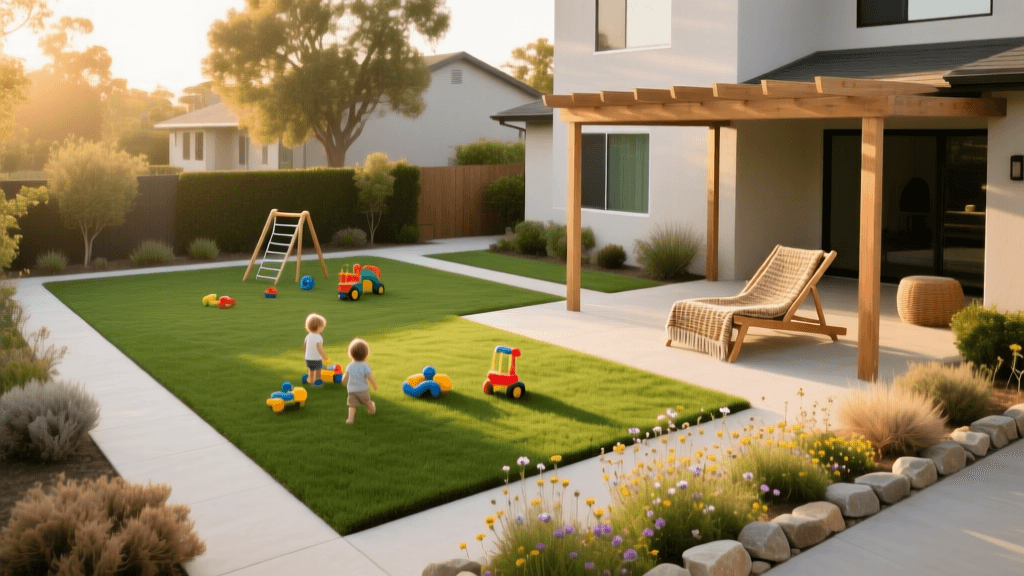
Lawn Zone Planning: Designing for Function and Beauty
The Art and Science of Lawn Zoning
Designing a beautiful, resilient lawn goes far beyond simply broadcasting grass seed over a patch of dirt. Professional landscape architects and turfgrass managers rely on a strategic approach known as lawn zoning. This design methodology divides your outdoor space into distinct functional and ecological areas, ensuring that each square foot of your yard serves a specific purpose while minimizing water usage, fertilizer runoff, and weekly maintenance chores.
Whether you are planning a complete landscape renovation or looking to optimize your existing yard, understanding how to balance high-traffic play areas with low-maintenance eco-zones is the key to a sustainable, picture-perfect lawn. In this comprehensive planning guide, we will break down the principles of lawn zoning, turf selection, and irrigation design to help you create a landscape that thrives in harmony with your lifestyle.
Step 1: Site Analysis and Environmental Mapping
Before drawing any design lines, you must understand the microclimates and soil conditions of your property. A successful lawn design works with nature, not against it. Begin by conducting a thorough site analysis:
- Sun and Shade Mapping: Track sunlight exposure across your yard over a full day. Note areas that receive full sun (6+ hours), partial shade (3-6 hours), and heavy shade (under 3 hours).
- Soil Testing: The Penn State Extension strongly recommends conducting a professional soil test before any planting. Aim for a soil pH between 6.0 and 7.0 for optimal nutrient uptake. Test results will dictate your lime and sulfur amendment requirements.
- Drainage and Topography: Identify low spots where water pools after heavy rain and steep slopes prone to erosion or rapid runoff.
Step 2: Defining Your Functional Lawn Zones
Effective landscape planning categorizes your yard into three primary zones based on foot traffic, aesthetic importance, and water requirements. This concept, often overlapping with hydrozoning, ensures resources are allocated efficiently.
Zone 1: High-Traffic Utility Areas
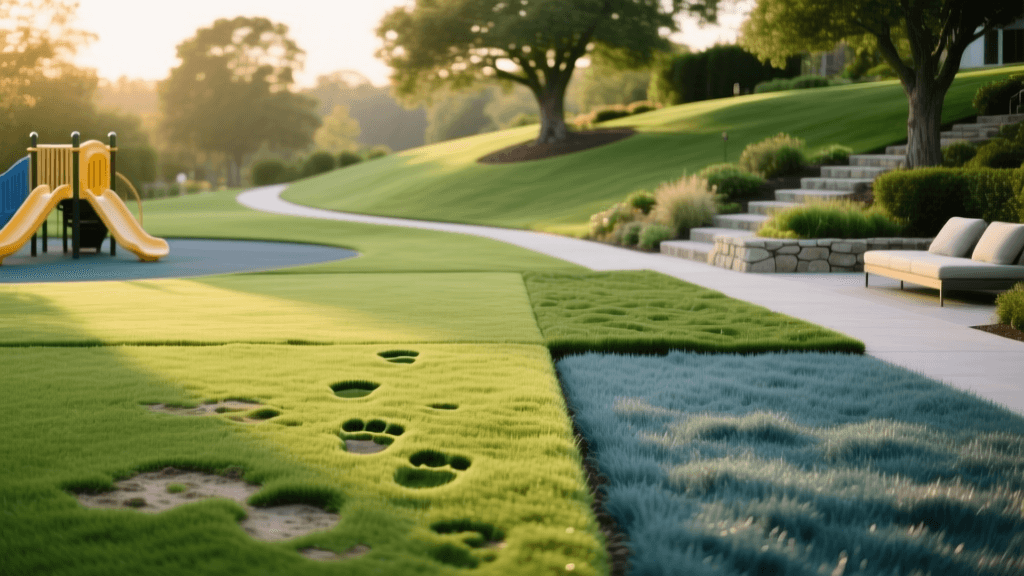
These are the workhorses of your landscape. Zone 1 includes spaces designated for children's playsets, pet runs, outdoor dining patios, and primary pathways. Because these areas endure heavy foot traffic, soil compaction, and frequent wear-and-tear, they require the most durable, aggressive turfgrasses. For cool-season climates, a blend of Kentucky Bluegrass and Perennial Ryegrass offers rapid recovery and dense sod. In warm-season regions, Bermudagrass is the undisputed champion of high-traffic resilience. Expect to invest more time and money here, including annual core aeration and targeted fertilization.
Zone 2: Medium-Traffic Aesthetic Areas
Zone 2 typically encompasses the front yard, side yards, and visual corridors that are admired frequently but walked on less often. The goal here is visual appeal and uniformity. Fine Fescues, Tall Fescue, or Zoysiagrass are excellent choices depending on your climate. These grasses provide a lush, carpet-like appearance but do not require the aggressive mowing and nitrogen schedules of high-traffic utility turfs. According to research from the University of Minnesota Extension, selecting disease-resistant cultivars for these aesthetic zones can drastically reduce the need for chemical interventions.
Zone 3: Low-Traffic Eco-Zones and Borders
Often located at the periphery of the property, on steep slopes, or in deep shade, Zone 3 areas are prime candidates for eco-friendly, low-maintenance alternatives. Instead of struggling to keep traditional turf alive in these marginal areas, transition to alternative groundcovers, native meadow grasses, or creeping clover. White Dutch Clover requires virtually no nitrogen fertilizer, stays green during droughts, and provides essential forage for pollinators. By converting Zone 3 into a no-mow or low-mow area, you dramatically reduce weekend labor and gas consumption.
Design Principle: Never force a high-maintenance turfgrass into a low-traffic, marginal environment. Match the plant to the microclimate and the intended function of the space.
Turfgrass and Groundcover Selection Matrix
Use the following planning matrix to select the right plant material for your designated lawn zones. This chart factors in climate, traffic tolerance, and maintenance requirements.
| Plant Material | Climate Type | Best Lawn Zone | Traffic Tolerance | Water Needs |
|---|---|---|---|---|
| Bermudagrass | Warm-Season | Zone 1 (Utility) | Excellent | Moderate |
| Kentucky Bluegrass | Cool-Season | Zone 1 & 2 | High | High |
| Tall Fescue | Cool-Season | Zone 2 (Aesthetic) | Moderate | Moderate |
| Zoysiagrass | Warm-Season | Zone 2 (Aesthetic) | High | Low |
| White Clover | Transitional | Zone 3 (Eco-Border) | Low to Moderate | Very Low |
| Creeping Thyme | Transitional | Zone 3 (Slopes/Paths) | Moderate | Low |
Integrating Hardscapes and Irrigation Planning
A well-planned lawn design seamlessly integrates hardscapes (patios, walkways, retaining walls) with turf zones. Hardscapes act as physical dividers that naturally separate high-traffic areas from delicate eco-zones. When planning pathways, consider using permeable pavers or gravel to allow rainwater to percolate into the soil rather than overwhelming municipal storm drains.
Irrigation planning must align perfectly with your lawn zones. The Environmental Protection Agency (EPA) advocates for hydrozoning, which means grouping plants with similar water needs on the same irrigation valve. Your Zone 1 utility turf may require 1 to 1.5 inches of water per week during peak summer, while your Zone 3 clover borders may thrive on natural rainfall alone. Installing a smart Wi-Fi irrigation controller with distinct valves for each zone prevents the common mistake of overwatering eco-zones just to keep the high-traffic play areas green.
Seasonal Maintenance Routines by Zone
Maintaining a zoned lawn requires a nuanced, seasonal approach. Because each zone features different plant materials and endures different stressors, your maintenance calendar must be tailored accordingly.
Spring Awakening and Weed Prevention
In early spring, focus your energy on Zones 1 and 2. Apply a pre-emergent herbicide when soil temperatures consistently reach 55 degrees Fahrenheit to prevent crabgrass from invading your high-traffic play areas. Zone 3 eco-borders, particularly those planted with clover or native wildflowers, should not receive pre-emergents, as these chemicals will inhibit the natural germination and spread of your desired eco-friendly groundcovers. Instead, hand-pull invasive weeds in Zone 3 or apply targeted organic spot treatments.
Summer Stress Management
As temperatures soar, adjust your mowing heights based on the zone. Raise the mowing deck to 3.5 or 4 inches for Zone 2 aesthetic areas to shade the soil and conserve moisture. Zone 1 utility lawns can be maintained at 2.5 to 3 inches to accommodate foot traffic without matting. During drought periods, allow Zone 3 areas to go dormant naturally; their deep root systems or alternative biology will recover once autumn rains return.
Fall Renovation and Soil Building
Autumn is the most critical season for lawn care planning. Schedule core aeration and overseeding for your Zone 1 and Zone 2 cool-season lawns in early September. Top-dress these areas with a quarter-inch of screened compost to improve soil biology and water retention. For Zone 3, fall is the ideal time to plant native bulbs, divide perennials, or sow additional clover seed to thicken the eco-border before winter sets in.
Budgeting and Long-Term Maintenance Planning
When designing your lawn zones, it is crucial to forecast the long-term maintenance costs. High-traffic zones demand regular core aeration (typically $150 to $250 per acre), overseeding, and frequent mowing. Conversely, Zone 3 eco-borders might only require a single string-trimming session in the late fall. By shrinking your Zone 1 and Zone 2 footprint to only what is functionally necessary, and expanding your Zone 3 eco-borders, you can reduce annual lawn care expenses by 30% to 50% while simultaneously boosting local biodiversity and soil health.
Ultimately, thoughtful lawn zone planning transforms your yard from a chaotic, resource-draining chore into a structured, sustainable landscape. By assessing your site, defining functional zones, selecting the right turf, and aligning your irrigation, you will enjoy a beautiful outdoor space tailored perfectly to your family's needs.