Lawn Care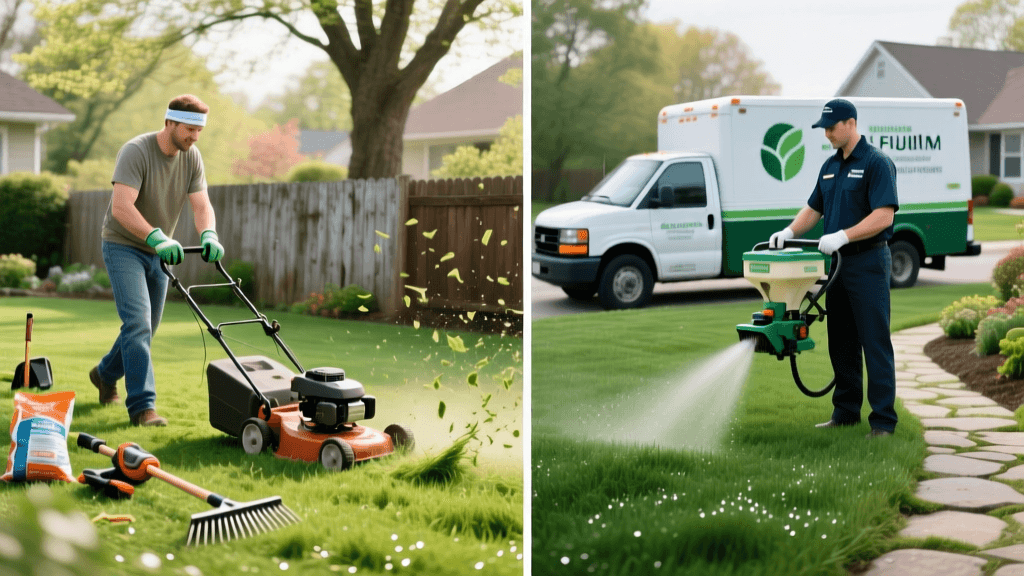
Annual Lawn Care Budget: DIY vs Professional Costs
Introduction to Lawn Care Budgeting
The quest for a pristine, golf-course-quality lawn is a common dream for homeowners, but it often comes with a harsh financial reality check. Whether you are maintaining a sprawling estate or a modest suburban yard, understanding the financial commitment of lawn care is crucial before the first blade of grass is cut in the spring. In this comprehensive cost and budgeting guide, we will break down the exact expenses associated with maintaining a healthy turf. We will compare the out-of-pocket costs of the Do-It-Yourself (DIY) approach against hiring professional lawn care services, helping you make an informed decision that aligns with your budget, your schedule, and your landscaping goals.
The DIY Lawn Care Cost Breakdown
Embarking on the DIY route is often perceived as the cheaper alternative. While it undeniably saves on hourly labor costs, it requires a significant upfront investment in equipment and an ongoing annual budget for consumables. Let us look at the financial realities of maintaining a standard 5,000 square foot lawn on your own.
Equipment and Initial Setup Costs
To properly maintain a lawn, you need reliable, durable equipment. A decent residential push mower or self-propelled gas mower will cost between $300 and $600. If you have a larger property exceeding half an acre, a riding mower or zero-turn can range from $1,500 to over $3,500. Additionally, you will need a string trimmer ($100 to $200), a leaf blower ($100 to $250), and a broadcast spreader for seed and fertilizer ($50 to $120). Do not forget the small essentials: safety glasses, heavy-duty gloves, a garden hose, and an adjustable sprinkler nozzle. Your initial equipment setup will realistically cost between $600 and $1,200 for a standard suburban yard. Furthermore, according to pricing data from Forbes Home, routine equipment maintenance, including oil changes, spark plug replacements, air filters, and annual blade sharpening, adds roughly $50 to $150 to your annual budget. Fuel costs for gas-powered equipment can also add $30 to $75 per season depending on local gas prices and yard size.
Annual Consumables: Fertilizer, Seed, and Weed Control
The recurring costs of DIY lawn care lie in the chemicals, organic amendments, and seeds required to keep the grass green and weed-free. A standard four-step synthetic fertilizer program from a big-box store (such as Scotts Turf Builder or a comparable Lesco product) will cost approximately $80 to $120 per year for 5,000 square feet. Pre-emergent herbicides (like Prodiamine) to stop crabgrass before it germinates cost around $40 to $60, while post-emergent weed killers (like 2,4-D, Dicamba, or Triclopyr) add another $30 to $50. If your lawn suffers from summer heat stress, disease, or heavy foot traffic, you may need to overseed in the fall. High-quality tall fescue or Kentucky bluegrass seed blends cost $6 to $10 per pound, and overseeding a thin lawn requires about 5 to 10 pounds, adding $30 to $100 to your budget. Total annual consumables for a dedicated DIY enthusiast generally range from $200 to $400.
Professional Lawn Care Service Costs
If the thought of spending your weekends pulling weeds, mixing chemicals, and pushing a heavy mower in the summer heat sounds unappealing, hiring a professional is the logical next step. Professional services offer convenience, commercial-grade results, and liability coverage, but they come at a distinct premium.
Basic Maintenance Plans (Mow, Blow, and Go)
For routine mowing, edging, and blowing off clippings from hardscapes, professionals typically charge based on the size of the yard, the terrain, and the frequency of service. According to industry pricing data from HomeGuide, the national average for lawn mowing is $30 to $80 per visit. For a standard 5,000 square foot lawn mowed weekly during the growing season (roughly 30 weeks a year, depending on your climate zone), you can expect to pay between $900 and $2,400 annually just for basic cutting and edging.
Premium and Add-On Services
Most homeowners who hire pros also opt for comprehensive fertilization and weed control programs to guarantee a lush, weed-free yard. These programs usually involve four to six targeted applications per year, including pre-emergents, broadleaf weed control, grub prevention, and winterizers. A professional chemical application program typically costs $50 to $100 per visit, totaling $250 to $600 annually. Core aeration and overseeding are critical for cool-season grasses to relieve soil compaction and are usually billed as a la carte services. Professional aeration and overseeding for a 5,000 square foot lawn will cost between $250 and $450. When you bundle mowing, fertilization, and annual aeration, a full-service professional lawn care budget easily ranges from $1,500 to $3,500 or more per year.
DIY vs. Professional: Cost Comparison Table
To visualize the financial differences, let us examine a side-by-side comparison for a standard 5,000 square foot lawn over a single year. Note that the DIY first-year cost includes equipment purchases, whereas subsequent years will be significantly lower, limited only to consumables and maintenance.
| Service / Expense Category | DIY Approach (Annual Cost) | Professional Service (Annual Cost) |
|---|---|---|
| Equipment Purchase (Year 1) | $600 - $1,200 | $0 |
| Equipment Maintenance & Fuel | $80 - $225 | $0 |
| Mowing & Edging (30 weeks) | $0 (Your Labor) | $900 - $2,400 |
| Fertilizer & Weed Control | $150 - $230 | $250 - $600 |
| Fall Aeration & Overseeding | $150 - $250 (Rental + Seed) | $250 - $450 |
| Total Estimated Annual Cost | $980 - $1,905 (Year 1) | $1,400 - $3,450 |
Hidden Costs to Watch Out For
When budgeting for lawn care, homeowners frequently overlook hidden expenses that can quickly derail their financial plans. Water usage is a massive factor. According to the University of Minnesota Extension, lawns require about one to one and a half inches of water per week during peak summer heat. If you are relying on municipal water rather than a well, running your sprinklers can add $50 to $150 to your monthly water bill during dry spells. Irrigation system maintenance is another hidden cost; winterizing your sprinkler system in the fall with an air compressor blowout and turning it on in the spring usually requires a professional service costing $50 to $150 per visit. Additionally, the "time cost" of DIY is substantial. If you spend three hours a week mowing, edging, trimming, and applying treatments over a 30-week season, you are investing 90 hours of physical labor. If you value your weekend free time at $25 an hour, the hidden opportunity cost of DIY is $2,250.
How to Save Money on Lawn Care Without Sacrificing Quality
Whether you choose the DIY route or hire a professional, there are proven, agronomic strategies to stretch your lawn care budget without sacrificing curb appeal.
- Conduct a Soil Test: Always conduct a soil test before buying fertilizer. A basic soil test from a local university extension office costs between $15 and $30 and tells you exactly what nutrients your soil lacks, as well as your pH level. This prevents you from wasting money on unnecessary amendments and ensures your grass can actually absorb the nutrients you apply.
- Practice Grasscycling: Leave grass clippings on the lawn after mowing. Clippings decompose quickly and return up to 25% of the nitrogen your lawn needs back into the soil, potentially eliminating one fertilizer application per year and saving you $20 to $30.
- Mow at the Proper Height: Cutting cool-season grasses at 3 to 4 inches shades the soil, retains moisture, and naturally suppresses weed seed germination. This drastically reduces your need for expensive post-emergent herbicides and extra municipal irrigation.
- Spot-Treat Weeds: Instead of buying expensive hose-end broadcast sprayers that coat your entire lawn in chemicals, buy a concentrated bottle of selective herbicide and a pump sprayer. Spot-treating individual weeds costs pennies per application and is much better for the environment.
- Negotiate Off-Season Contracts: If you hire a pro, sign an annual contract in the late winter. Many landscaping companies offer a 5% to 10% early-bird discount for pre-paying or locking in services before the chaotic spring rush begins.
Conclusion
Ultimately, the choice between DIY and professional lawn care comes down to a delicate balance between your available financial budget and your available free time. The DIY approach requires a higher upfront equipment investment and demands physical labor, but it yields long-term savings on consumables and provides a rewarding weekend hobby. Professional services offer a hands-off, manicured result but require a continuous, substantial financial commitment. By understanding the true costs, anticipating hidden expenses like water and irrigation maintenance, and implementing smart, science-backed maintenance strategies, you can achieve a beautiful, lush lawn without letting your budget go up in smoke.