Lawn Care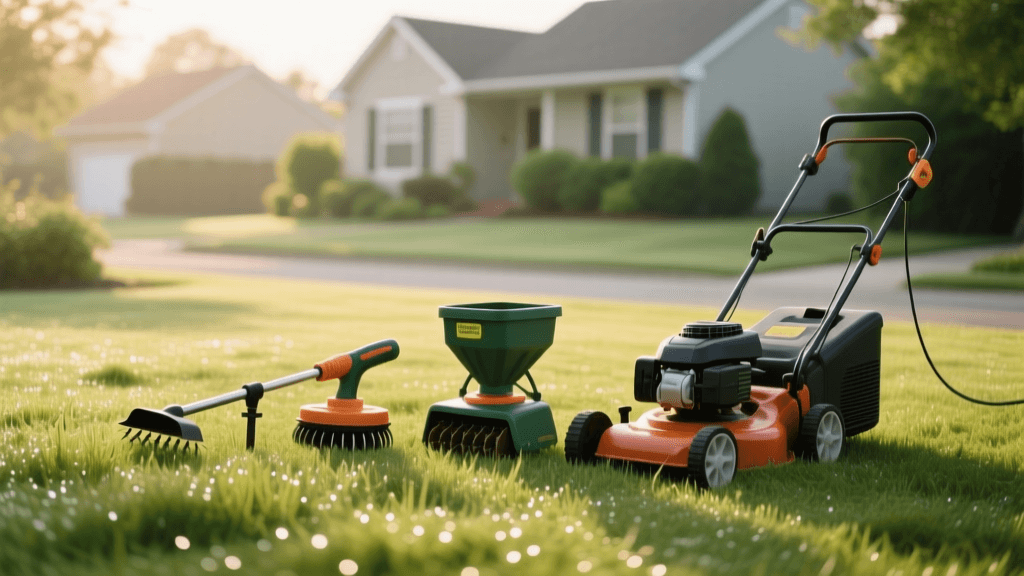
Annual Lawn Care Costs: DIY vs Professional Budget Guide
The True Cost of Lawn Care: DIY vs. Hiring a Professional
Every spring, homeowners face a familiar crossroads: should you spend your weekends pushing a mower and spreading fertilizer, or should you write a check and let the professionals handle it? Budgeting for lawn care requires a clear understanding of both the upfront and hidden costs associated with maintaining a healthy, vibrant turf. Whether you are managing a modest 5,000-square-foot suburban lawn or a sprawling 10,000-square-foot estate, the financial commitment varies wildly based on your chosen approach.
In this comprehensive cost and budgeting guide, we will break down the exact expenses of DIY lawn maintenance compared to hiring professional landscaping and turf management services. We will cover equipment amortization, consumable goods, fertilization schedules, water usage, and seasonal treatments like core aeration and overseeding.
Breakdown of the DIY Lawn Care Budget
Taking the DIY route is often perceived as the cheaper option, but it requires a significant investment in time, equipment, and materials. To accurately budget for a DIY lawn, you must look beyond the price of a bag of seed and consider the total cost of ownership for your equipment.
Equipment Amortization and Maintenance
If you are starting from scratch, purchasing reliable equipment is a major capital expense. A high-quality, self-propelled gas mower like the Honda HRX217 or Toro Recycler costs between $400 and $700. A reliable string trimmer, such as the Echo SRM-225, adds another $200 to $250. A backpack blower will cost around $300. While this $1,000+ initial investment seems steep, these tools typically last 7 to 10 years with proper maintenance. Amortized over a decade, your annual equipment cost is roughly $100 to $150.
However, you must also budget for annual maintenance: spark plugs, air filters, oil changes, and sharpening or replacing mower blades. Expect to spend about $50 to $80 per year on these small engine consumables.
Fuel and Consumables
Gasoline prices fluctuate, but for an average 5,000-square-foot lawn mowed weekly during a 30-week growing season, you will use approximately 15 to 20 gallons of fuel annually. At $3.50 per gallon, plus the cost of ethanol-free fuel stabilizers and trimmer line, budget around $100 to $125 per year for fuel and basic consumables.
Fertilization and Weed Control
DIY fertilization offers immense flexibility but requires careful calculation. For a standard 5,000-square-foot lawn, a single application of a quality synthetic fertilizer like Scotts Turf Builder or Lesco Professional 18-24-12 costs about $25 to $35 per bag. A four-step annual program (spring pre-emergent, early summer weed and feed, late summer insect control, and fall winterizer) will cost between $120 and $160 in materials.
If you prefer organic routes, products like Milorganite (6-4-0) cost about $25 per 36-pound bag, but because it has a lower nitrogen content, you may need to apply it more frequently, pushing your annual organic fertilizer budget closer to $200.
Water and Irrigation Costs
Water is often the most overlooked expense in lawn care budgeting. According to the Environmental Protection Agency (EPA), the average American family uses 320 gallons of water per day, with about 30% devoted to outdoor uses. In arid climates, this can jump to 60%. To maintain a healthy cool-season lawn, you need about 1 to 1.5 inches of water per week during the summer. Depending on your local municipal water rates, keeping a 5,000-square-foot lawn adequately irrigated from June through August can add $150 to $300 to your seasonal utility bills.
The Cost of Professional Lawn Care Services
Hiring a professional service shifts the burden of labor, equipment maintenance, and chemical storage to a licensed company. Professional services generally fall into two categories: mowing and landscaping, and specialized turf management (fertilization and weed control).
Professional Mowing and Landscaping
Professional mowing services typically charge based on lot size, terrain, and regional labor rates. For a standard 5,000-square-foot property, expect to pay $40 to $60 per visit. Over a 30-week season, this equates to $1,200 to $1,800. This price usually includes mowing, string trimming, and blowing clippings off hard surfaces, but it rarely includes edging or bed maintenance.
Professional Fertilization and Weed Control Programs
National providers like TruGreen or local licensed turf specialists offer multi-visit annual programs. A standard 5-to-7 visit program for a 5,000-square-foot lawn typically ranges from $350 to $600 per year. These programs include pre-emergent crabgrass control, broadleaf weed spraying, and slow-release granular fertilizers. The advantage here is the guarantee: if weeds emerge between treatments, most companies will return for spot treatments at no extra charge.
Annual Cost Comparison Chart: DIY vs. Professional
The following table provides an estimated annual budget breakdown for a standard 5,000-square-foot lawn versus a larger 10,000-square-foot property. Note that DIY costs assume you already own the baseline equipment, factoring in only amortization, fuel, and materials.
| Service Category | DIY (5,000 sq ft) | DIY (10,000 sq ft) | Pro (5,000 sq ft) | Pro (10,000 sq ft) |
|---|---|---|---|---|
| Mowing & Trimming (Fuel/Maint vs Labor) | $150 | $250 | $1,400 | $2,400 |
| Fertilizer & Weed Control | $140 | $260 | $450 | $750 |
| Core Aeration (Rental vs Service) | $85 | $160 | $150 | $250 |
| Overseeding (Seed costs vs Labor/Material) | $90 | $180 | $300 | $550 |
| Summer Irrigation (Water Bills) | $200 | $400 | $200 | $400 |
| Total Estimated Annual Cost | $665 | $1,250 | $2,500 | $4,350 |
Hidden Costs and Budgeting Pitfalls
When planning your lawn care budget, it is easy to fall victim to hidden costs that can derail your financial projections.
- Equipment Repair: A blown carburetor or a snapped mower deck belt can easily cost $100 to $200 to fix. If you lack the mechanical skills to repair small engines, you will have to pay a small engine repair shop, negating your DIY savings.
- Chemical Burn and Lawn Damage: Misinterpreting the application rates on a bag of synthetic fertilizer or applying weed killer during a heatwave can burn your turf. Replacing damaged sod or buying emergency grass seed and topsoil is an unbudgeted expense that can cost hundreds of dollars.
- Aeration Machine Rentals: Many DIYers budget for the rental fee of a core aerator (usually $70 to $100 for four hours from a local hardware store) but forget to budget for a truck or trailer to transport the heavy machine, as well as the physical toll it takes to operate.
Actionable Strategies to Reduce Your Lawn Care Spend
Whether you choose the DIY route or hire a professional, there are scientifically backed methods to lower your annual lawn care expenditures without sacrificing turf quality.
1. Invest in a Soil Test First
Never guess your lawn's nutrient needs. As noted by Penn State's Center for Turfgrass Science, soil testing every three years is critical to avoid over-applying expensive phosphorus and potassium treatments that your lawn does not need. A comprehensive soil test from a university extension office costs between $15 and $30 and provides a precise, customized fertilizer recipe, ensuring you only buy the exact nutrients your soil lacks.
Pro Budgeting Tip: Contact your local county cooperative extension office for soil test kits. They are significantly cheaper and more accurate than the mail-in kits sold at big-box garden centers, and they provide localized advice based on your specific regional soil profiles.
2. Practice Grasscycling
Leaving grass clippings on the lawn after mowing—known as grasscycling—is one of the easiest ways to save money. The University of Minnesota Extension recommends leaving grass clippings on the lawn to return up to 25% of the lawn's required nitrogen back to the soil. By utilizing a mulching mower blade and mowing frequently enough to only cut the top third of the grass blade, you can eliminate at least one fertilizer application per year, saving you $30 to $50 annually.
3. Consider Hybrid Subscription Services
If professional services are too expensive but DIY chemical mixing is too risky, consider hybrid subscription services like Sunday or DoMyOwn. These companies ship customized, pre-measured liquid fertilizers and weed controls directly to your door based on satellite imagery of your property and local climate data. These subscriptions typically cost 30% to 40% less than traditional professional truck-spraying services, bridging the gap between DIY effort and professional precision.
Final Thoughts on Lawn Care Budgeting
Ultimately, the decision between DIY and professional lawn care comes down to how you value your time and your tolerance for physical labor. If you view lawn care as a relaxing weekend hobby, the DIY route offers substantial financial savings, keeping your annual budget for a standard lot under $700. However, if you value your weekends for travel, family, or rest, allocating $2,000 to $2,500 a year to professional services is a worthwhile investment that guarantees a pristine, weed-free landscape while protecting your most valuable asset: your home's curb appeal.