Home & Garden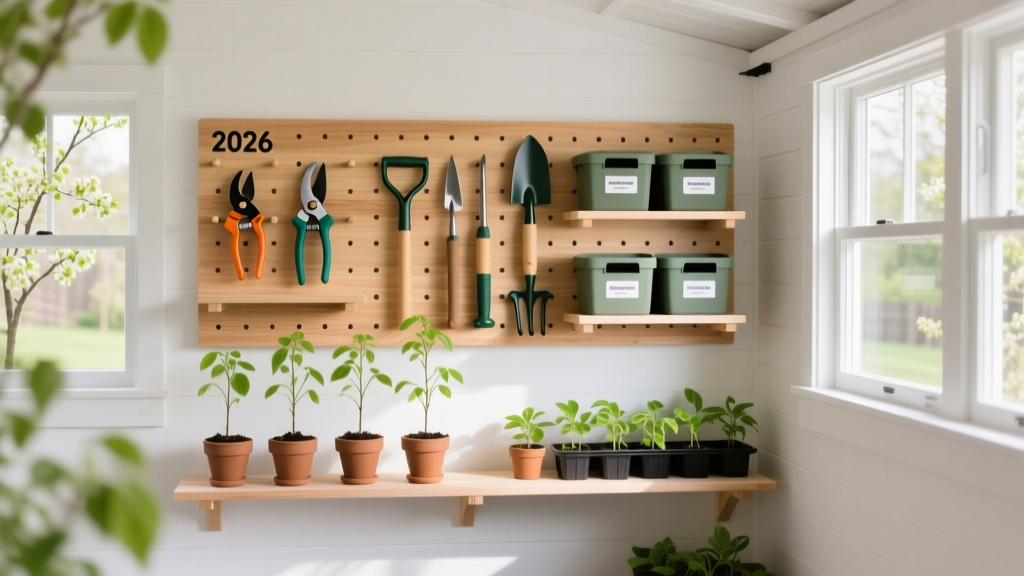
Best Shed Pegboard & Shelving For Tree Planting Tools 2026
David ParkPublished
When it comes to successful tree selection and planting, the work begins long before you dig the first hole. As any seasoned arborist or dedicated home gardener knows, the health and establishment of a new sapling depend heavily on having the right tools immediately at hand. From bare-root fruit trees to large balled-and-burlapped shade specimens, the planting process requires a diverse array of specialized equipment. In 2026, mastering garden shed organization with a pegboard wall and heavy-duty shelving is the ultimate game-changer for tree care enthusiasts looking to streamline their planting workflow, protect their investments, and ensure their tools remain in pristine condition.
Why Tree Planting Requires Specialized Shed Organization
Tree planting is not a one-tool endeavor. Unlike standard seasonal flower bed maintenance, establishing a new tree involves deep soil preparation, precise root pruning, heavy lifting, and long-term staking. According to the Arbor Day Foundation, proper planting depth and root preparation are the most critical factors in a tree's long-term survival. To achieve this, you need soil probes, augers, Hori Hori knives, bypass loppers, root hooks, and heavy canvas tarps. Tossing these items into a disorganized bin leads to lost equipment, damaged cutting edges, and cross-contamination of soil-borne pathogens.
By implementing a dedicated tree care zone in your garden shed utilizing a modular pegboard and reinforced shelving system, you create a command center for arboriculture. This setup allows you to visually inventory your pruning saws, keep your mycorrhizal inoculants at the correct temperature, and store bulky tree stakes without them toppling over and damaging your potting soil bags.
Choosing the Right 2026 Pegboard System for Heavy Arboriculture Tools
The days of flimsy, warp-prone fiberboard pegboards are over. For the heavy demands of tree planting tools, 2026's standard is powder-coated steel pegboard systems. Metal pegboards offer superior weight capacity, which is essential when hanging heavy items like manual post-hole diggers, steel soil augers, and long-handled pole pruners.
Key Features to Look For:
- Gauge Thickness: Opt for 20-gauge or thicker steel panels to prevent bowing under the weight of heavy mallets and steel digging bars.
- Modular Accessories: Modern metal systems use specialized locking hooks rather than standard bent wire. This prevents heavy loppers from accidentally dislodging when you pull a nearby tool.
- Magnetic Compatibility: Many 2026 metal pegboard systems feature magnetic tool racks, perfect for holding small, easily lost items like grafting tape, pruning sealant tubes, and soil testing vials.
Strategic Shelving for Saplings, Soil, and Tree Care Supplies
While the pegboard handles the tools, your shelving unit must handle the materials. Tree planting involves bulky, heavy, and sometimes biologically sensitive materials. Wire shelving units with adjustable heights are highly recommended for the tree planting shed zone because they allow for drainage and airflow, preventing the buildup of moisture that leads to mold on canvas tarps and burlap sacks.
Storing Bare-Root and Container Saplings
If you receive bare-root saplings via mail-order nurseries before the ground is ready to plant, temporary shed storage is required. The Penn State Extension emphasizes that bare-root trees must never be allowed to dry out or freeze. Dedicate a lower, shaded shelf in your shed to hold a galvanized tub filled with moist sawdust or peat moss where bare-root specimens can be 'heeled in' safely for a few days. For container-grown trees, use the bottom tier of your heavy-duty shelving to store them out of direct sun, ensuring their root balls remain hydrated until planting day.
The Arborist's Pegboard Zone Strategy
To maximize efficiency, divide your pegboard wall into four distinct operational zones. This mimics the workflow of professional tree care crews and ensures you never have to search for a tool while a tree's roots are exposed to the drying air.
| Zone Name | Primary Tools Stored | Recommended Hook / Mount Type |
|---|---|---|
| Zone A: Canopy & Pruning | Bypass loppers, pruning saws, pole shears, grafting knives. | Angled cradle hooks with foam padding to protect sharp blades. |
| Zone B: Root & Soil Prep | Hori Hori knives, soil probes, manual augers, trenching shovels. | Heavy-duty straight hooks and magnetic tool bars for metal shafts. |
| Zone C: Staking & Tying | Rubber mallets, wooden stakes, jute ties, tree straps, staple guns. | Bins and small basket attachments for loose ties; single hooks for mallets. |
| Zone D: Hydration & Care | Watering bags, root stimulants, mycorrhizal fungi, pruning sealant. | Shallow shelving brackets attached directly to the pegboard for small bottles. |
Smart Shed Integration for Tree Care Storage
In 2026, smart home integration extends into the garden shed, particularly for sensitive tree planting supplies. Biological soil amendments, such as live mycorrhizal fungi and beneficial nematodes used to boost transplant success rates, degrade rapidly if exposed to extreme heat or freezing temperatures. By installing a Wi-Fi-enabled temperature and humidity sensor on your shed's central shelving unit, you can receive smartphone alerts if the shed's internal climate threatens the viability of your biological planting amendments. Pairing this smart sensor with a thermostatically controlled shed exhaust fan ensures your tree care supplies remain effective throughout the peak spring and autumn planting seasons.
Step-by-Step Installation Guide for Modular Systems
Installing a heavy-duty pegboard and shelving system requires careful planning to ensure it can bear the dynamic loads of arboriculture tools.
- Locate the Studs: Use a stud finder to map out the wall studs. Metal pegboards and loaded wire shelves must be anchored directly into studs, not just drywall anchors.
- Install French Cleats or Z-Clips: For modular metal pegboards, mount the heavy-duty aluminum wall cleats first. This allows you to easily hang and level the steel panels without holding them in place while driving screws.
- Mount the Shelving Uprights: Position your wire shelving uprights at least 18 inches away from the pegboard to allow a 'workspace buffer' where you can lean trees or mix soil amendments without hitting the hanging tools.
- Add the Accessories: Populate the board based on the Zone Strategy outlined above. Place heavier tools like augers and mallets on the lower half of the pegboard to keep the center of gravity low and improve safety.
Tool Sanitation and Maintenance Between Plantings
Proper shed organization also facilitates crucial tool sanitation. Tree diseases like Oak Wilt and Dutch Elm Disease can be easily transmitted via contaminated pruning tools. Dedicate a small, specialized bin on your pegboard's 'Hydration & Care' zone for a 70% isopropyl alcohol spray bottle and a wire brush. After every tree planting or pruning session, tools should be brushed clean of soil and sap, sprayed with the disinfectant, and wiped dry before being returned to their designated hooks. Keeping a sharpening stone in a magnetic tray on the pegboard ensures your Hori Hori knife and bypass loppers are always ready to make clean, healing cuts on delicate tree roots.
By treating your garden shed as a professional arborist's staging area, you elevate your tree selection and planting efforts from a weekend chore to a precise, rewarding horticultural practice. A well-organized pegboard and shelving system not only protects your valuable tools but also ensures that when the perfect planting window arrives, you are fully equipped to give your new trees the best possible start in life.
