Home & Garden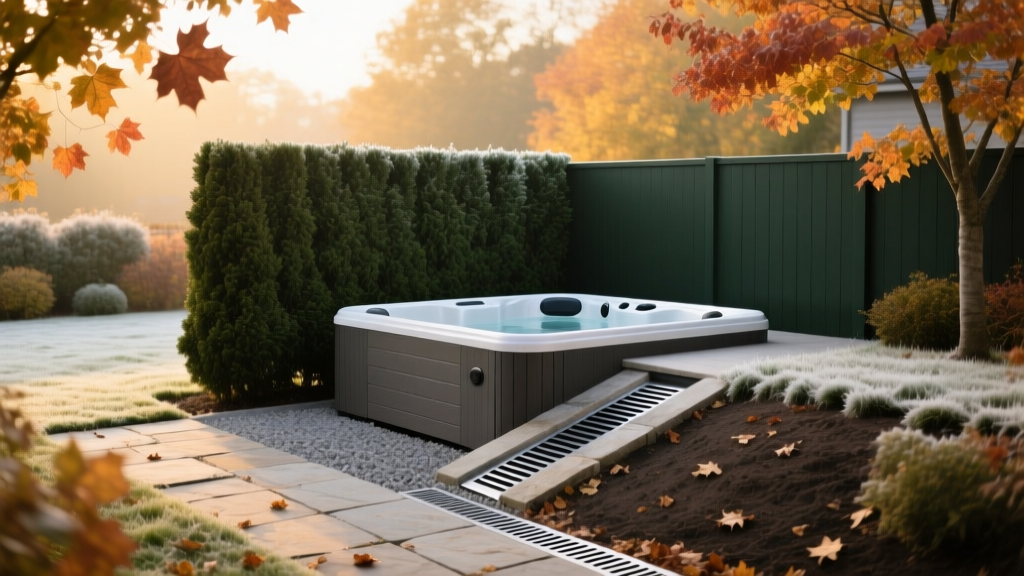
2026 Fall Hot Tub Landscaping: Privacy Screens & Drainage
Sarah ChenPublished
Why Fall is the Critical Season for Hot Tub Landscaping
As the air turns crisp and the leaves begin to drop, homeowners across the country are shifting their focus to fall lawn care and landscape winterization. However, if you are planning to install a hot tub or upgrade your existing spa oasis, autumn 2026 is the most critical window for executing privacy screen installations and drainage planning. While summer is for splashing, fall is for structural and botanical preparation. The combination of warm soil and cool autumn air creates the perfect environment for planting evergreen privacy screens, allowing roots to establish before the deep winter freeze. Furthermore, addressing drainage before the ground hardens prevents catastrophic freeze-thaw damage to your hot tub's foundation.
Designing the Ultimate Fall Privacy Screen
When soaking in a hot tub during a snowy winter evening, the last thing you want is to feel exposed to neighbors or the street. A well-designed privacy screen bridges the gap between outdoor living and intimate relaxation. In 2026, the trend is moving heavily toward living screens that provide year-round coverage and support local ecosystems, alongside low-maintenance composite hardscapes.
Top Evergreen Choices for Fall Planting
- 'Green Giant' Arborvitae (Thuja standishii x plicata): The undisputed king of fast-growing privacy. Planting these in early fall allows their robust root systems to anchor before winter winds. They can grow up to 3 feet per year once established.
- 'Emerald Green' Arborvitae (Thuja occidentalis 'Smaragd'): Ideal for tighter spaces where a 15-foot wide Green Giant will not fit. These stay a manageable 12-14 feet tall and 3-4 feet wide, forming a dense, bright green wall.
- Clumping Bamboo (Fargesia species): Unlike invasive running bamboo, clumping varieties like Fargesia robusta 'Campbell' are non-invasive, cold-hardy, and provide a stunning, modern Zen aesthetic. Fall planting gives them time to settle without the heat stress of summer.
Proper Fall Planting Techniques
When planting your privacy screen in the fall, dig a hole twice as wide as the root ball but no deeper than the root flare. Backfill with native soil rather than heavy amendments, which can create a 'bathtub effect' and trap water. Apply a 3-inch layer of shredded hardwood mulch over the root zone to insulate the soil and retain moisture, but keep the mulch at least 3 inches away from the trunk to prevent rot and rodent damage during the winter.
Hardscape Privacy Solutions
If you need immediate privacy and cannot wait for plants to mature, hardscape screens are the answer. Modern composite fencing, such as Trex Fencing, offers the look of wood without the rot, warping, or splintering. Alternatively, architectural cedar lattice panels combined with fall-blooming climbing vines like Clematis can create a beautiful, semi-permeable screen that blocks wind while allowing airflow.
Comparison: Privacy Screen Options for Fall Installation
| Screen Type | Fall Installation Viability | Estimated Cost (per linear ft) | Winter Maintenance (2026 Standards) | Time to Full Privacy |
|---|---|---|---|---|
| 'Green Giant' Arborvitae | Excellent (Early to Mid-Fall) | $45 - $85 | Low (Watering until ground freezes) | 2-3 Years |
| Clumping Bamboo | Good (Early Fall only) | $60 - $110 | Medium (Mulching for root insulation) | 1-2 Years |
| Composite Fencing | Excellent (Anytime before freeze) | $90 - $150 | Very Low (Occasional rinse) | Immediate |
| Cedar Lattice Trellis | Excellent (Anytime before freeze) | $35 - $65 | Medium (Annual sealing required) | Immediate (Partial) |
Hot Tub Drainage Planning: Preventing Winter Water Damage
A hot tub holds thousands of pounds of water, but the real enemy of your spa's foundation is the water outside the tub. When rainwater or snowmelt pools around the base of a hot tub and subsequently freezes, the expanding ice can cause severe frost heave. This can crack concrete pads, shift gravel bases, and ultimately void the manufacturer's warranty on the hot tub shell. According to the EPA's Soak Up the Rain initiative, managing localized stormwater and runoff through strategic grading and permeable surfaces is essential for protecting home foundations and outdoor structures.
The 2% Grading Rule
Before laying a single paver or pouring concrete for your hot tub pad, you must grade the surrounding soil. The golden rule of landscape drainage is a minimum 2% slope (a drop of 1/4 inch per foot) away from the hot tub base for at least 10 feet in all directions. In the fall, the soil is typically moist but workable, making it the ideal time to bring in topsoil or gravel to correct negative grading before the winter frost locks the earth in place.
French Drains and Dry Creek Beds
If your hot tub is situated at the bottom of a slope or in a naturally low-lying area of your yard, surface grading will not be enough. You will need to install a French drain. A standard French drain consists of a perforated pipe wrapped in landscape fabric, surrounded by washed drainage gravel, and buried in a trench that slopes away from the spa toward a safe discharge area or dry well. For a more aesthetic approach that complements a naturalistic garden design, consider building a dry creek bed using river rock and boulders to channel water away from the spa area.
Permeable Pavers for the Spa Surround
In 2026, sustainable landscaping is paramount. Instead of pouring a solid concrete slab that forces water to run off and pool at the edges, consider using permeable pavers for your hot tub surround. As noted by the EPA's Green Infrastructure guidelines, permeable pavements allow stormwater to infiltrate through the joints and into the underlying stone reservoir, drastically reducing surface runoff and ice formation around the spa base.
Step-by-Step Fall Drainage Execution Guide
- Survey and Map: Use a laser level or a string line with a line level to determine the current slope around your planned or existing hot tub location.
- Excavate and Trench: Dig a trench 12 inches wide and 18 inches deep, starting near the hot tub pad and sloping downward at a 1% grade toward your drainage exit point.
- Lay the Base: Add 2-3 inches of washed, angular drainage gravel (avoid rounded pea gravel, which compacts poorly) to the bottom of the trench.
- Install the Pipe: Place a 4-inch corrugated or PVC perforated pipe in the trench, ensuring the holes face downward. Facing down allows water to enter from the saturated gravel bed below, preventing soil from washing into the pipe.
- Wrap and Cover: Wrap the pipe in non-woven geotextile landscape fabric to prevent soil infiltration. Cover with more gravel until you are 3 inches below the surface grade.
- Top Dress: Finish with river rock, decorative gravel, or sod to blend the drain into your fall landscape design.
Smart Home Integration for Winter Spa Maintenance
Bridging the gap between outdoor landscaping and indoor smart home technology is a major trend for 2026. To protect your hot tub and surrounding landscape during the harsh winter months, integrate smart moisture sensors and automated irrigation controls using modern Thread or Matter protocols for seamless connectivity.
- Smart Soil Moisture Sensors: Place wireless soil moisture sensors in the planting beds of your new privacy screen. These can connect to your smart home hub and alert your phone if the soil becomes dangerously waterlogged during late fall rains, indicating a drainage failure before the freeze hits.
- Automated Irrigation Shutoff: Ensure your smart irrigation controller is geofenced or programmed to automatically winterize and blow out the lines when local temperatures consistently drop below freezing. You do not want a smart sprinkler head leaking near your hot tub pad in January.
- Smart Leak Detectors: Place a Wi-Fi-enabled water leak and freeze detector under the hot tub's access panel. If a plumbing fitting cracks due to poor drainage and subsequent freezing, the sensor will instantly push a notification to your smartphone, potentially saving you from a catastrophic loss of water and equipment damage.
Conclusion: Securing Your 2026 Winter Oasis
Proper fall lawn care extends far beyond leaf removal and overseeding; it encompasses the strategic preparation of your outdoor living spaces for the harsh realities of winter. By investing time this autumn into planting robust evergreen privacy screens and engineering a fail-proof drainage system, you ensure that your hot tub remains a safe, private, and structurally sound sanctuary. Whether you are sinking a French drain, grading the soil for permeable pavers, or setting 'Green Giant' Arborvitae into the cool autumn earth, the work you do now will pay dividends when you are relaxing in steaming water while the snow falls softly around you.
