Home & Garden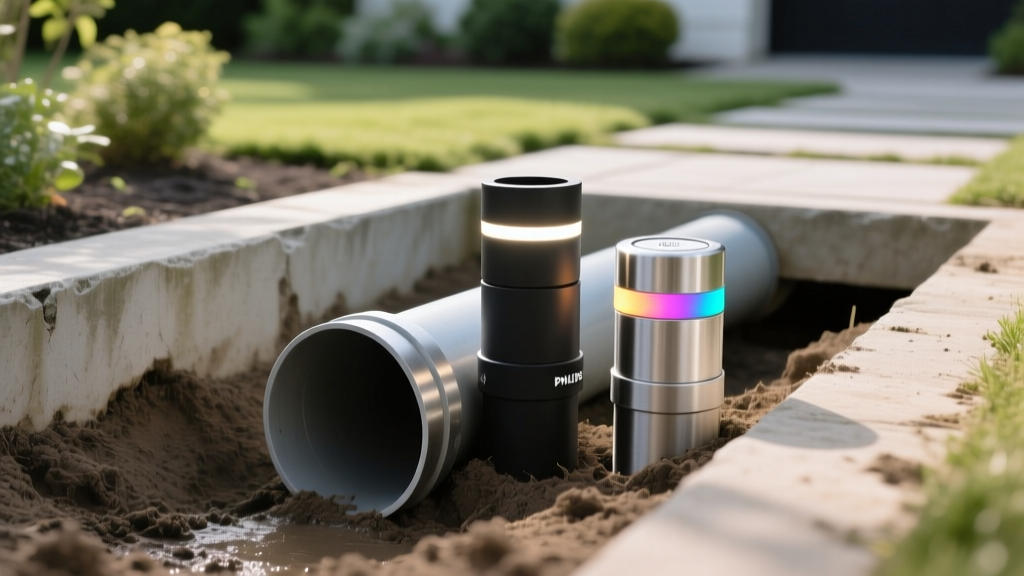
Ring vs Hue Pathway Lights: 2026 Drainage Pipe Trench Guide
Mike RodriguezPublished
The Dual-Purpose Trench: Smart Lighting Meets Yard Drainage
When tackling a soggy, poorly graded yard, digging a trench for a French drain or landscape drainage pipe is backbreaking work. However, in 2026, forward-thinking homeowners and landscape architects are maximizing this effort by combining hardscaping with smart home technology. Instead of digging two separate trenches, you can run low-voltage smart lighting cables directly alongside—or even inside—your landscape drainage pipes. This dual-purpose trenching method not only solves yard pooling but also provides an impenetrable conduit for your smart outdoor lighting wiring, protecting it from shovel strikes, aerator tines, root intrusion, and moisture.
According to EPA WaterSense, managing outdoor water runoff and soil saturation is critical for foundation health and landscape longevity. By integrating your drainage infrastructure with your low-voltage lighting plan, you save hours of manual labor and ensure your smart lighting wiring remains pristine for decades. In this guide, we will compare the top two smart pathway lighting ecosystems of 2026—Ring and Philips Hue—and detail exactly how to use corrugated landscape drainage pipes as protective wire sleeves during your trench installation.
The 2026 Smart Pathway Showdown: Ring vs. Philips Hue
Before you start digging and laying pipe, you must choose your smart lighting ecosystem. Both Ring and Philips Hue have released updated, Matter-compatible outdoor pathway lights for 2026, but they serve different landscaping needs and budgets.
Ring Pathway Light (2026 Edition)
Ring’s latest pathway lights are designed for security-focused homeowners. Operating on the Ring Bridge Pro, these lights offer solid illumination (around 120 lumens per fixture) and integrate seamlessly with Ring security cameras. If a camera detects motion, the pathway lights can automatically brighten to full capacity. They are highly affordable, making them ideal for long driveways or extensive garden perimeters where you might need to run wiring through 50+ feet of drainage pipe conduit.
Philips Hue Calla and Lily Pathway (2026 Edition)
Philips Hue remains the premium choice for ambiance and color versatility. The 2026 Hue Calla pathway bollards and Lily spotlights offer up to 800 lumens and 16 million colors. They connect via the Hue Bridge (now fully native to Matter 1.4) and offer superior architectural lighting effects. If you are installing drainage pipes around a high-end patio or a garden-to-table dining area, Hue provides the aesthetic flexibility that Ring lacks, though at a significantly higher cost per fixture.
2026 Specification Comparison
| Feature | Ring Pathway Light (2026) | Philips Hue Calla (2026) |
|---|---|---|
| Price (per unit) | $69.99 | $129.99 |
| Brightness | 120 Lumens | 800 Lumens |
| Color Options | Warm White (2700K-3500K) | 16 Million Colors + Tunable White |
| Required Hub | Ring Bridge Pro | Hue Bridge (Matter Native) |
| Wire Gauge Needed | 14 AWG (Low Power Draw) | 12 AWG (Higher Power Draw) |
| Best Use Case | Security & Long Driveways | Patios, Gardens & Ambiance |
Why Use Landscape Drainage Pipe as a Wiring Sleeve?
Most DIYers simply bury low-voltage wire a few inches underground. This is a mistake. As noted by Penn State Extension, soil shifting, frost heaves, and root growth can easily expose or sever shallow-buried cables. Furthermore, future landscaping projects often result in accidental wire cuts.
By utilizing a 3-inch or 4-inch corrugated HDPE landscape drainage pipe (commonly used for French drains and downspout extensions), you create a heavy-duty, waterproof sleeve for your low-voltage cables. This method offers three massive advantages:
- Moisture Protection: Even though outdoor wire is rated for wet locations, constant submersion in a poorly draining clay trench can degrade the PVC jacket over time. The drainage pipe keeps the wire suspended above the water table.
- Future-Proofing: If a wire shorts out or you want to upgrade to a higher gauge in the future, you do not need to dig up your lawn. Simply pull the old wire out of the drainage pipe and fish a new one through.
- Shared Trenching: If you are already installing a French drain to move water away from your foundation, laying the lighting wire inside the same drainage pipe network costs zero extra excavation time.
Step-by-Step Trenching and Pipe Sleeve Installation
Integrating your smart lighting wiring with your landscape drainage system requires careful planning. Follow these steps to ensure both your water management and your smart lighting perform flawlessly in 2026 and beyond.
Step 1: Plan the Grade and Route
Your drainage pipe must maintain a minimum slope of 1/8 inch per foot to ensure proper water flow. Map out your French drain route from the lowest point of your yard to the discharge area. Your pathway lights will sit above this trench. Mark the exact locations for your Ring or Hue fixtures, ensuring they are spaced 6 to 8 feet apart for optimal illumination without dark spots.
Step 2: Dig the Trench and Lay the Base
Dig a trench 12 to 18 inches deep. Add a 2-inch base layer of washed drainage gravel. This base prevents the corrugated landscape drainage pipe from sagging and pooling water internally. Lay your 4-inch corrugated HDPE drainage pipe (slotted or solid, depending on whether you are capturing surface water or just using it as a conduit) onto the gravel bed.
Step 3: Thread the Low-Voltage Wire
Before backfilling, thread your 12 AWG or 14 AWG low-voltage landscape wire through the inside of the drainage pipe. Use a fish tape or a stiff wire leader to pull the cable through the corrugated ridges. Leave 3 feet of extra wire at each light fixture location, and pull it up through a T-fitting or a drilled hole in the top of the pipe. Seal the exit hole with waterproof silicone to prevent dirt and insects from entering your conduit.
Step 4: Transformer and Bridge Placement
According to the U.S. Department of Energy, proper transformer sizing and placement are vital for LED longevity. Mount your low-voltage transformer on a wall or post at least 12 inches above grade, safely away from the drainage pipe's discharge point to avoid water damage. Connect your Ring Bridge Pro or Hue Bridge to an indoor or weatherproof outdoor outlet, ensuring it is within 30 feet of the transformer for optimal Zigbee or proprietary signal strength.
Step 5: Backfill and Connect Fixtures
Cover the drainage pipe and wire with more washed gravel, then wrap the entire assembly in non-woven geotextile landscape fabric to prevent soil clogging. Backfill the remaining trench with native soil and sod. Finally, strip the ends of your protruding wires and connect them to your Ring or Hue pathway fixtures using waterproof gel-filled wire nuts.
Smart Integration: Linking Lights to Drainage Pumps
The true power of 2026 smart home ecosystems lies in automation. If your landscape drainage system terminates in a dry well or utilizes a sump pump for heavy storm events, you can integrate your smart lighting to act as a visual alert system. By using a smart water sensor near your drainage discharge or sump pit, you can create routines in Apple HomeKit, Amazon Alexa, or Google Home.
For example, if your drainage pump activates during a midnight storm, you can program your Philips Hue Calla pathway lights to pulse a soft blue, indicating that the drainage system is actively working and moving water away from your home. Conversely, if a blockage causes water to back up in the trench, a moisture sensor can trigger your Ring Pathway lights to flash red, alerting you to a potential drainage failure before your foundation is compromised.
Conclusion
Upgrading your outdoor space in 2026 is no longer just about buying the latest gadgets; it is about intelligent, multi-functional infrastructure. By comparing the security-focused Ring Pathway lights against the ambient brilliance of Philips Hue, you can select the perfect ecosystem for your property. More importantly, by utilizing landscape drainage pipes as protective sleeves for your low-voltage wiring, you ensure that your smart lighting remains safe, dry, and easily serviceable for years to come. The next time you dig a trench to solve a muddy yard, remember to pull a wire through the pipe—your future self will thank you.
