Home & Garden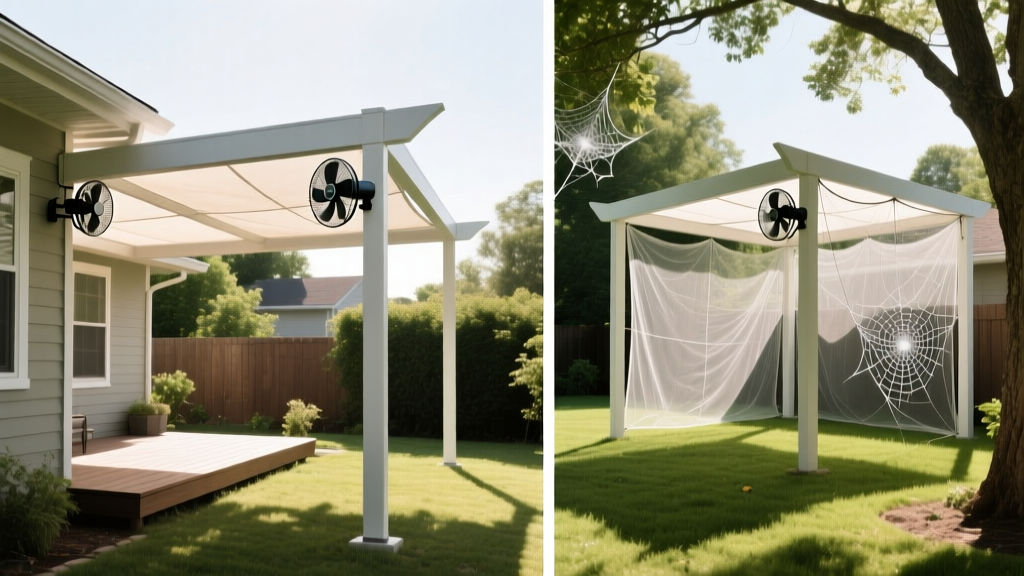
Attached vs Freestanding Pergola Fan Mounts & Webworm Control 2026
David ParkPublished
Bridging Outdoor Comfort and Tree Health in 2026
As homeowners continue to invest heavily in outdoor living spaces in 2026, the pergola has evolved from a simple garden feature into a fully equipped outdoor room. One of the most popular upgrades this year is the integration of heavy-duty, weather-rated ceiling fans. However, if you are building your pergola near mature shade trees, you must factor in a notorious seasonal nuisance: tree webworms. Specifically, the fall webworm (Hyphantria cunea) and the Eastern tent caterpillar can turn a relaxing backyard oasis into a messy, uncomfortable zone. When deciding between an attached or freestanding pergola with a fan mount, understanding tree canopy dynamics and webworm behavior is critical to your design success.
The Webworm Threat to Outdoor Living Spaces
Fall webworms are notorious for constructing large, silken webs at the terminal ends of tree branches in late summer and early fall. While they rarely cause long-term harm to established trees, they are a massive headache for outdoor living spaces. Trees like pecan, walnut, cherry, hickory, and oak are prime hosts. If your pergola is situated directly beneath the 'drip line' of an infested tree, you will face two major issues. First, the caterpillars produce a significant amount of frass (droppings), which will rain down on your patio furniture and outdoor dining tables. Second, if a ceiling fan is mounted overhead, the downdraft will actively blow this debris and loose webbing directly onto you and your guests. According to the University of Minnesota Extension, fall webworms can defoliate branches and create extensive webbing that catches wind and debris, making canopy management essential for any structure built below.
Attached Pergolas: Convenience vs. Pest Bridging
An attached pergola is anchored directly to your home's exterior wall. This design is highly popular in 2026 because it seamlessly extends the indoor living space outdoors, and running electrical lines for a fan mount is significantly cheaper and easier since you can tap into the home's existing interior circuits.
The Webworm Risk Factor
The primary drawback of an attached pergola is its fixed location. If the side of your house is shaded by a large host tree, your pergola is locked into the tree's drip line. Webworms are opportunistic and will readily drape their silken tents over nearby structures. An attached pergola can act as a physical bridge, allowing webworms to migrate from the lower tree branches onto your pergola's rafters, and eventually toward your home's eaves and soffits. Furthermore, cleaning frass off an attached patio and out of a ceiling fan motor housing becomes a weekly chore during peak infestation months (August through October).
Freestanding Pergolas: Strategic Placement for Pest Avoidance
A freestanding pergola is an independent structure supported by four or more posts. While trenching for electrical to support a fan mount adds to the initial 2026 construction cost (averaging $800 to $1,500 for underground conduit and wiring), the trade-off is complete placement flexibility.
Escaping the Drip Line
By choosing a freestanding design, you can intentionally position your outdoor living space outside the drip line of webworm-prone trees. Placing the pergola in a sunnier zone or near non-host plants (like ornamental grasses or flowering shrubs) entirely eliminates the risk of overhead frass and webbing falling into your fan blades. A freestanding pergola also promotes better airflow around the structure, which discourages the humid, stagnant microclimates that many pests favor.
Attached vs. Freestanding: 2026 Comparison Chart
| Feature | Attached Pergola | Freestanding Pergola |
|---|---|---|
| Fan Mount Wiring Cost | Low ($200 - $400) | High ($800 - $1,500+ for trenching) |
| Webworm Bridge Risk | High (if near host trees) | Low (if placed outside drip line) |
| Frass Exposure | Moderate to High | Controllable / Avoidable |
| Airflow & Fan Efficiency | Restricted by house wall | Excellent (360-degree intake) |
| 2026 Avg. Build Cost (Cedar) | $4,500 - $7,000 | $6,000 - $10,000 |
Best Practices for Fan Mounts in Webworm-Prone Yards
If you must build near susceptible trees, or if you are retrofitting an existing pergola, your fan mount hardware must be chosen with pest interference in mind.
- Enclosed Motor Housings: In 2026, top brands like Hunter and Minka-Aire offer outdoor fans with fully sealed, IP-rated motor housings. This prevents fine webworm frass and silk from entering the motor and causing overheating or failure.
- Short Downrods: Mount the fan as close to the pergola ceiling as possible using a hugger or short downrod. Long downrods allow wind to swing the fan, potentially catching stray webbing that blows in from nearby trees.
- Polycarbonate Roof Panels: Consider adding a slanted, transparent polycarbonate roof above the pergola rafters. This acts as a physical shield, catching falling frass and webbing before it reaches the fan and your seating area. You can easily hose off the roof panels weekly.
Integrated Tree Webworm Control Strategies
Rather than abandoning your favorite shade trees, implement an integrated pest management (IPM) approach to keep webworm populations in check around your pergola.
Mechanical Removal
The most effective and immediate control method is physical removal. As soon as you spot the small, initial webs forming at the branch tips in late summer, use a long-handled pole pruner to cut out the affected branch ends. Destroy the webs in a fire or seal them in a plastic bag. Do not simply drop them on the ground, as the caterpillars will crawl back up the tree.
Biological Controls: Bt (Bacillus thuringiensis)
For larger infestations where pruning is impossible, Bacillus thuringiensis var. kurstaki (Bt) is the gold standard for organic caterpillar control. Bt is a naturally occurring soil bacterium that specifically targets the digestive systems of caterpillars when they ingest treated leaves, leaving beneficial insects, birds, and humans unharmed. The Environmental Protection Agency (EPA) recognizes Bt as a safe, highly effective biological pesticide. Apply Bt sprays directly to the foliage near the webbing using a high-pressure hose-end sprayer to penetrate the silk barrier. Timing is crucial: apply when the caterpillars are young and the webs are still small, typically in mid-to-late summer.
Preserving Natural Predators
Avoid using broad-spectrum synthetic insecticides (like carbaryl or permethrin) on your shade trees. These chemicals wipe out the natural parasitic wasps and predatory stink bugs that naturally regulate webworm populations. According to Clemson University's Home & Garden Information Center, preserving these beneficial insects is vital for long-term, sustainable tree health and reduces the likelihood of secondary pest outbreaks, such as aphids or spider mites, which often flare up after broad-spectrum sprays are applied.
Conclusion: Designing for Comfort and Cleanliness
Building a pergola with a ceiling fan is a fantastic way to maximize your backyard's potential in 2026. However, ignoring the reality of tree webworms can turn your investment into a frustrating maintenance burden. By carefully weighing the pros and cons of attached versus freestanding designs, you can strategically place your outdoor living space away from the heaviest frass zones. If you must build under the canopy, pair enclosed, wet-rated fan mounts with proactive biological webworm controls like Bt and timely pruning. With smart planning, you can enjoy a cool, breezy, and perfectly clean pergola all season long, free from the messy reality of the fall webworm.
