Home & Garden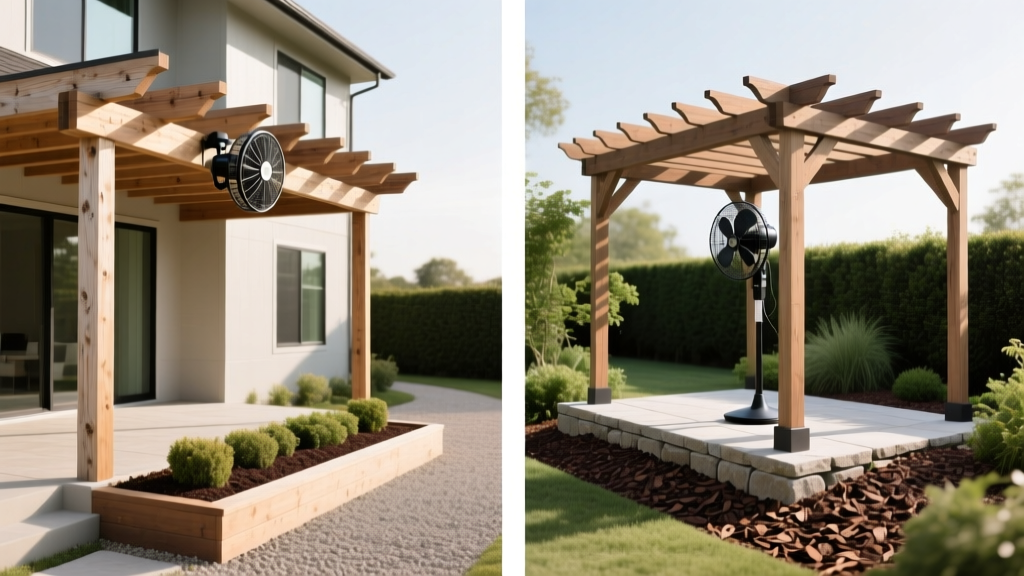
Attached vs Freestanding Pergolas 2026: Fan Mounts & Mulching
Anna KowalskiPublished
The 2026 Outdoor Living Shift: Hardscapes Meet Softscapes
As we navigate the 2026 landscaping season, the line between indoor comfort and outdoor living continues to blur. Homeowners are no longer satisfied with basic shade structures; they demand fully integrated outdoor rooms complete with smart-home technology, energy-efficient lighting, and heavy-duty ceiling fan mounts. However, a critical intersection is often overlooked by DIYers and contractors alike: the relationship between pergola construction, overhead fan mounts, and the mulching methods used at the base of the structure. Whether you are building an attached pergola off your back patio or a freestanding island pavilion near the garden, the mulch materials you choose directly impact the structural longevity, moisture management, and electrical safety of your fan-mounted pergola.
In this comprehensive guide, we will explore the structural nuances of attached versus freestanding pergolas, how to safely mount heavy outdoor ceiling fans, and the best mulching methods to protect your investment from rot, pests, and moisture damage in 2026.
Attached vs. Freestanding Pergolas: Structural & Mulching Differences
The decision to build an attached or freestanding pergola dictates not only your construction method but also your landscape bed design and mulching strategy.
Attached Pergolas: Foundation, Drainage, and Mulch Clearance
Attached pergolas are anchored directly to the home's exterior wall, typically using a structural ledger board. From a mulching perspective, attached structures present a unique challenge: managing the 'mulch-to-siding' interface. In 2026, building codes and pest control experts universally recommend maintaining a strict 6-inch to 8-inch mulch-free zone below the home's siding and ledger board. Piling organic mulch against the house to create a seamless garden bed invites termites, carpenter ants, and trapped moisture that can compromise the ledger board's lag screws.
For attached pergolas, the best mulching method is a 'transitional border.' Use inorganic mulch, such as pea gravel or river rock, for the first two feet extending from the house, then transition to organic wood chips or bark further into the yard. This ensures that the posts nearest the house remain dry, preserving the structural integrity required to support the entire framework.
Freestanding Pergolas: 360-Degree Mulch Beds and Post Protection
Freestanding pergolas offer complete design freedom, allowing for lush, 360-degree garden beds that wrap around the structure. However, because all four (or more) posts bear the full weight of the roof and any mounted fixtures, protecting the base of each post from moisture is paramount. According to the University of Minnesota Extension, improper mulching techniques, such as 'mulch volcanoes' piled high against wooden structures or tree trunks, trap moisture and accelerate fungal decay. For freestanding pergolas, you must employ the 'donut method' of mulching, keeping organic materials at least three inches away from the base of wooden or composite posts to allow for air circulation and drying.
The Fan Mount Factor: Weight, Torque, and Moisture
Why does mulching matter for a pergola ceiling fan? The answer lies in structural dynamics and electrical safety. Modern outdoor ceiling fans in 2026, particularly large-span smart fans with DC motors (ranging from 60 to 84 inches), can weigh between 35 and 60 pounds. More importantly, they generate significant dynamic torque when operating at high speeds or catching sudden crosswinds.
If the base of your pergola post is constantly damp due to moisture-retaining mulch piled against it, the wood's load-bearing capacity degrades over time. A compromised post cannot safely handle the vibrational stress of a heavy fan mount. Furthermore, the wiring for the fan must run down the post to a switch or smart-home hub. The National Fire Protection Association (NFPA) outlines strict guidelines in the National Electrical Code (NEC) regarding damp and wet locations. If your mulch bed retains excessive moisture, the micro-climate around the lower post becomes a 'damp location,' requiring you to use specialized wet-rated conduit and GFCI-protected circuits for your fan's power supply.
Best Mulching Materials for Pergola Foundations in 2026
Choosing the right mulch material is critical for balancing aesthetic appeal with the structural preservation of your pergola. Below is a comparison of the top mulching materials recommended for pergola bases in 2026.
| Mulch Material | Moisture Retention | Rot/Pest Risk | Best Application |
|---|---|---|---|
| Cedar Bark Chips | Medium | Low (Natural Oils) | Freestanding pergola outer beds |
| Pine Bark Nuggets | High | Medium | Away from post bases, shade gardens |
| Pea Gravel / River Rock | Very Low | None | Attached pergola bases, post collars |
| Recycled Rubber Mulch | Low | None (but retains heat) | High-traffic play areas near pergolas |
| Composted Wood Chips | High | High (if piled on wood) | Soil amendment only, not surface base |
For the immediate vicinity of pergola posts—especially those supporting heavy fan mounts—inorganic materials like pea gravel or decorative river rock are the undisputed champions of 2026. They provide excellent drainage, reflect heat, and do not harbor wood-decaying fungi. If you prefer the natural look of organic mulch, cedar is highly recommended due to its natural rot-resistant oils, but it must still be kept away from direct contact with the structural posts.
Step-by-Step Mulching & Fan Mount Preparation Guide
To ensure your pergola is safe, beautiful, and structurally sound for decades, follow this integrated mulching and fan-mount preparation sequence.
Step 1: Post Installation and Concrete Curing
Whether using pressure-treated pine, cedar, or modern composite sleeves, ensure your posts are set in concrete with a sloped cap at the base to shed water. Allow the concrete to cure fully before introducing any landscaping materials.
Step 2: Electrical Rough-In for the Fan Mount
Before mulching, run your UF-B (Underground Feeder) cable or wet-rated THWN wires through PVC conduit attached to the post. Ensure the junction box for the fan mount is rated for wet locations and features a secure, weatherproof canopy to shield the wiring from both rain and the humidity rising from the mulch beds below.
Step 3: The Gravel Collar Method
Create a 12-inch to 18-inch diameter 'collar' of pea gravel or crushed stone around the base of every pergola post. This inorganic base layer ensures that water drains away from the wood or composite material, preventing the wicking effect that leads to rot.
Step 4: Applying the Organic Mulch
Beyond the gravel collar, apply your chosen organic mulch (such as cedar or hardwood) to a depth of 2 to 3 inches. The Royal Horticultural Society (RHS) emphasizes that mulch should never exceed 4 inches in depth, as deeper layers can suffocate soil biology and create anaerobic, acidic conditions that produce harmful gases and excessive moisture. Ensure the mulch slopes gently away from the pergola's footprint to encourage positive drainage.
Step 5: Mounting the Fan and Smart Integration
With the base protected and the wiring secured, mount your outdoor-rated fan to the reinforced header beam. In 2026, most premium outdoor fans feature integrated Wi-Fi modules. Connect the fan to your smart home ecosystem, enabling wind-sensors that automatically reverse or shut off the fan during high-wind storms, protecting both the motor and the pergola's structural joints from extreme lateral stress.
Conclusion
Building a pergola with a ceiling fan mount is a fantastic way to elevate your outdoor living space, but the success of the project extends far beyond the roofline. By understanding the distinct mulching requirements of attached versus freestanding structures, you can prevent moisture damage, deter pests, and ensure the structural integrity required to safely support heavy, dynamic fan mounts. In 2026, the most successful landscape designs are those that treat hardscaping and softscaping as a single, interconnected ecosystem. Choose your mulch wisely, respect the clearance zones, and enjoy a cool, shaded, and structurally sound outdoor oasis for years to come.
