Home & Garden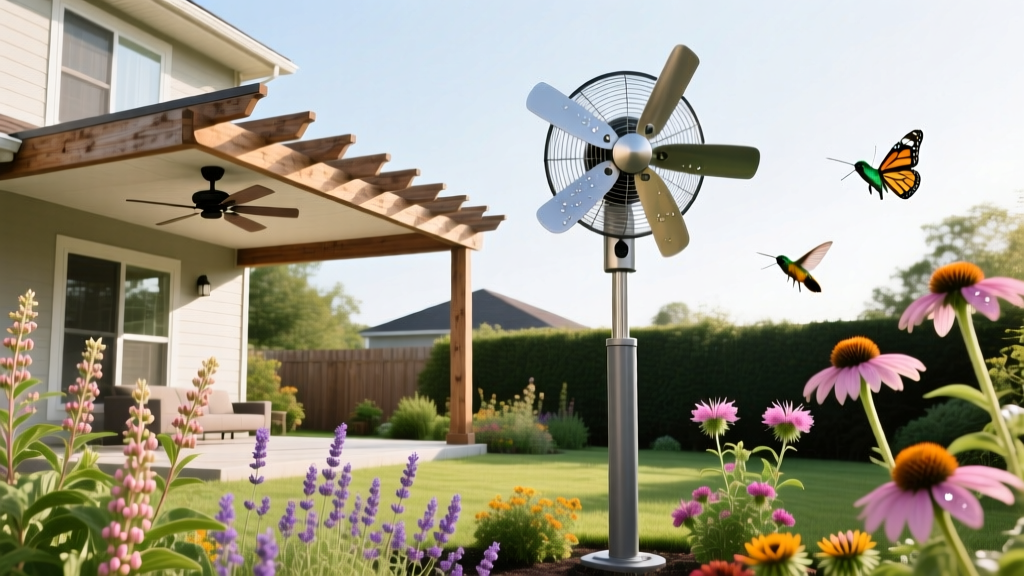
2026 Pergola Guide: Attached vs Freestanding Fan Mounts & Pollinators
James MillerPublished
The 2026 Outdoor Oasis: Merging Hardscape and Habitat
As homeowners in 2026 continue to blur the lines between indoor comfort and outdoor ecology, the backyard pergola has evolved from a simple shade structure into a vital hub for both human relaxation and pollinator conservation. Designing a pergola that accommodates a ceiling fan mount while simultaneously serving as a trellis for native, pollinator-friendly vines requires a delicate balance of structural engineering and ecological awareness. Whether you are debating an attached versus a freestanding pergola, understanding how these choices impact local bee, butterfly, and hummingbird populations is critical for the modern eco-conscious gardener.
Attached vs. Freestanding Pergolas: Structural and Ecological Impacts
The decision to build an attached or freestanding pergola fundamentally alters how you interact with your garden space and how pollinators navigate your yard. An attached pergola connects directly to your home via a ledger board, creating a seamless transition from your indoor living space to the patio. This setup is highly convenient for running electrical wiring for a fan mount, as it ties directly into your home's exterior junction box. However, from a pollinator perspective, attached structures limit vine planting to three sides, and you must be careful not to let vigorous climbers damage your home's siding or block weep holes.
Conversely, a freestanding pergola utilizes four independent posts, allowing you to place the structure anywhere in your landscape. In 2026, landscape architects heavily favor freestanding pergolas for pollinator gardens because they can be positioned over a dedicated "pollinator island" or rain garden. This 360-degree access allows for continuous vine coverage, creating a massive, uninterrupted canopy of nectar-rich blooms. The trade-off is that running power for a ceiling fan mount requires trenching underground conduit from your main electrical panel, which must be routed carefully to avoid disturbing established root systems and overwintering bumblebee habitats.
| Feature | Attached Pergola | Freestanding Pergola |
|---|---|---|
| 2026 Avg. Cost | $3,800 - $5,500 | $4,500 - $7,200 |
| Power for Fan Mount | Easy (ties to house exterior) | Moderate (requires underground trenching) |
| Vine Placement | Three-sided (away from siding) | 360-degree continuous coverage |
| Pollinator Access | Good, but limited by house wall | Excellent, acts as an isolated garden hub |
| Permitting (2026) | Often required (structural tie-in) | Rarely required if under 200 sq ft |
Navigating Fan Mounts in a Pollinator Haven
Adding a ceiling fan to your pergola is a popular way to maintain comfort during the sweltering late-summer months when pollinator activity is at its peak. However, improper fan placement and operation can severely disrupt local ecosystems. High-velocity airflow creates wind shear that deters small native pollinators, such as sweat bees and solitary mason bees, from entering the pergola canopy to forage. Furthermore, excessive wind accelerates the evaporation of nectar from the flowers growing on the pergola roof, reducing the caloric reward for visiting hummingbirds and butterflies.
To mitigate this, 2026 outdoor design standards recommend utilizing DC-motor smart fans with ultra-low variable speed settings. Models like the Hunter Symphony Damp-Rated Smart Fan or the Minka-Aire Concept II Damp offer whisper-quiet operation and breeze settings that generate less than 2 mph of wind speed. This provides a cooling effect for humans sitting below without creating a turbulent barrier for flying insects. Ensure the fan mount is reinforced with a 2x8 or 4x6 crossbeam, and hang the fan at least 8.5 feet above the ground to keep the primary airflow above the main flight paths of foraging pollinators.
Smart Fan Integration for Microclimate Control
Modern smart home integration allows you to tie your pergola fan to outdoor humidity and temperature sensors. By programming the fan to activate only on the lowest setting when humidity exceeds 70%, you can prevent fungal diseases like powdery mildew from attacking your climbing vines, all while avoiding the constant, disruptive wind that harms delicate insect wings.
Pollinator-Friendly Vine Selections for Pergola Canopies
The true ecological value of a pergola lies in its canopy. According to The Xerces Society for Invertebrate Conservation, integrating native woody and herbaceous vines into garden structures provides essential nectar, pollen, and larval host habitats that are often missing in traditional landscapes. When selecting vines for your pergola, avoid invasive species like Asian Wisteria (*Wisteria sinensis*), which can crush wooden structures and outcompete native flora.
- Coral Honeysuckle (*Lonicera sempervirens*): A non-invasive, well-behaved twining vine that produces tubular red and orange flowers from spring through fall. It is a primary nectar source for the Ruby-throated Hummingbird and does not produce the aggressive runners that damage pergola joints.
- Maypop Passionflower (*Passiflora incarnata*): Featuring striking, complex purple and white blooms, this native vine is the exclusive larval host plant for the Gulf Fritillary and Variegated Fritillary butterflies. It thrives on the horizontal slats of a freestanding pergola.
- American Wisteria (*Wisteria frutescens*): Unlike its aggressive Asian cousins, the American variety blooms on new wood, is much lighter on structural supports, and provides a dense, fragrant canopy that attracts native carpenter bees and honeybees in late spring.
Vine Training Techniques for Maximum Bloom
To ensure your fan mount remains clear of foliage, train your vines along the outer perimeter rafters using biodegradable jute twine. Leave the central 30% of the pergola roof open. This allows the ceiling fan to draw cool air up through the center while the pollinators forage safely along the shaded, bloom-heavy outer edges. The USDA Forest Service emphasizes that maintaining open flight corridors within garden structures is vital for preventing mid-air collisions and ensuring easy access to nectar sources.
Eco-Conscious Materials and Safe Finishes
The materials you choose for your pergola directly impact the chemical safety of your pollinator garden. In 2026, Western Red Cedar and naturally rot-resistant Black Locust remain the top choices for eco-friendly pergola construction. These woods contain natural tannins that resist decay and insect damage without the need for chemical treatments.
Avoid using pressure-treated lumber coated with copper-based preservatives near areas where native bees nest or forage, as copper toxicity can harm developing bee larvae. If you must seal your wood to protect it from the elements and extend the life of your fan mount hardware, opt for raw linseed oil or a beeswax-based natural wood sealant. Steer clear of synthetic polyurethanes and VOC-heavy stains, which off-gas chemicals that can interfere with the highly sensitive olfactory receptors pollinators use to locate flowers.
Your 2026 Construction and Planting Timeline
Successfully merging hardscape construction with softscape ecology requires proper timing. Follow this seasonal guide to ensure your pergola and its pollinator inhabitants thrive:
- Early Spring (March - April): Dig post holes below the frost line and pour concrete footings. For freestanding pergolas, lay the underground electrical conduit for the fan mount now before planting the surrounding pollinator borders.
- Mid-Spring (May): Erect the cedar or locust frame. Install the reinforced crossbeam for the fan mount and wire the outdoor-rated electrical box. Apply your natural, non-toxic wood sealant.
- Early Summer (June): Mount the DC-motor smart fan and connect it to your home's smart hub. Plant your container-grown native vines at the base of the posts, incorporating organic compost and mycorrhizal fungi to encourage rapid root establishment.
- Late Summer to Fall (August - October): Begin training the vines up the posts using soft ties. Monitor the fan's airflow on low settings to ensure it is not drying out the late-season blooms that migrating Monarch butterflies rely on for energy.
By carefully weighing the structural benefits of attached versus freestanding designs and respecting the aerodynamic needs of local pollinators, your 2026 pergola project will become a stunning, functional centerpiece that supports both human comfort and vital biodiversity.
