
Landscaping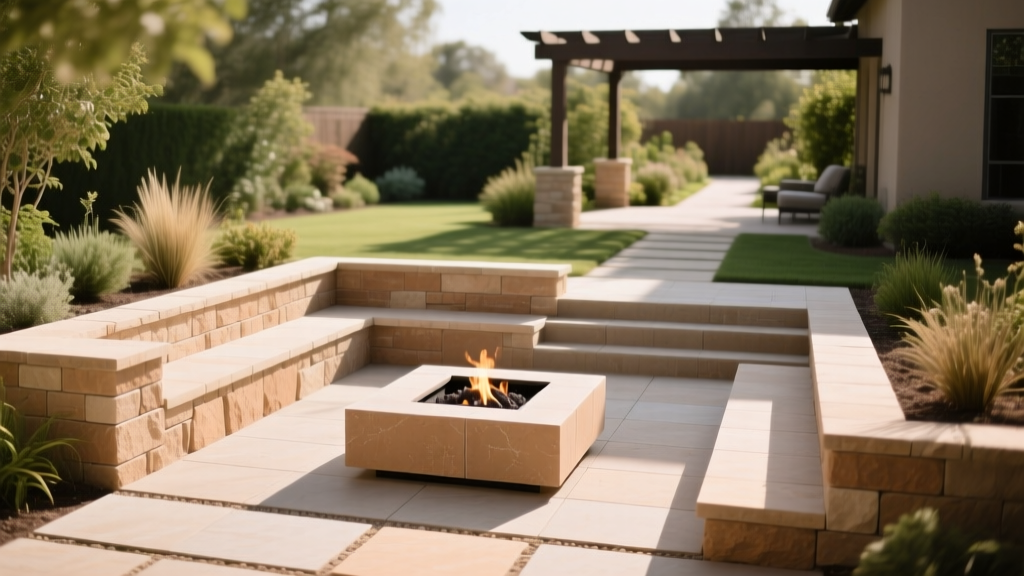
Backyard Patio Hardscaping Costs: The Ultimate Budget Guide
James MillerPublished
Landscaping transforms a standard yard into a personal oasis, but hardscaping—specifically backyard patios, retaining walls, and walkways—forms the structural backbone of your outdoor living space. While softscaping elements like grass, shrubs, and flower beds fluctuate with the seasons, hardscaping provides permanent definition and utility. However, budgeting for these projects requires a clear understanding of material costs, labor rates, and the hidden expenses that often catch homeowners off guard. Whether you are envisioning a simple gravel seating area or a sprawling natural stone entertainment hub, this comprehensive cost and budgeting guide will help you plan your finances effectively and avoid common pitfalls.
Understanding the True Cost of Hardscaping
When planning a hardscaping project, it is crucial to recognize that the visible surface material is only a fraction of the total expense. A durable patio or walkway relies entirely on what lies beneath it. Proper site preparation, excavation, and base compaction are non-negotiable steps that dictate the longevity of your installation. According to industry data compiled by HomeGuide, the average homeowner spends between $2,500 and $6,500 on a new patio, but complex designs with premium materials can easily push this figure past $10,000. Understanding where your money goes is the first step toward building a realistic budget.
Material Costs Breakdown
The surface material you choose will dictate not only the aesthetic of your outdoor space but also the long-term maintenance requirements. Below is a comparative overview of popular hardscaping materials.
| Material | Average Cost Per Sq. Ft. (Installed) | Expected Lifespan | Maintenance Level |
|---|---|---|---|
| Gravel / Crushed Stone | $2 - $6 | 10 - 15 Years | High (Raking, Weed Control) |
| Poured Concrete | $8 - $18 | 25 - 30 Years | Low (Sealing, Crack Repair) |
| Concrete Pavers | $12 - $25 | 25 - 50 Years | Medium (Joint Sand, Sealing) |
| Brick | $15 - $30 | 25+ Years | Medium (Moss, Shifting) |
| Natural Flagstone | $20 - $45 | 50+ Years | Low (Occasional Washing) |
Gravel and Crushed Stone
Gravel is the most budget-friendly hardscaping option available. Materials like decomposed granite or pea gravel cost pennies per pound, making them ideal for large, informal seating areas or winding garden paths. However, gravel requires rigorous maintenance. You will need to install heavy-duty landscape fabric beneath the stone to prevent weed growth and use metal or plastic edging to keep the stones from migrating into your lawn. Over time, gravel compacts and scatters, requiring periodic top-ups and raking to maintain a level surface.
Poured Concrete
Poured concrete offers a clean, modern aesthetic and is highly customizable with stamped patterns, dyes, and exposed aggregates. While the material itself is relatively inexpensive, the labor involved in building wooden forms, tying rebar, and pouring the concrete adds significantly to the cost. The primary drawback of poured concrete in regions with freeze-thaw cycles is its susceptibility to cracking. Homeowners must budget for control joints and periodic sealing to protect the surface from water intrusion and winter damage.
Concrete Pavers
Concrete pavers, such as those manufactured by Belgard or Pavestone, strike an excellent balance between durability, aesthetics, and cost. Unlike poured concrete, pavers are flexible; if the ground shifts or tree roots grow beneath the patio, individual stones can be lifted, the base re-leveled, and the stones replaced without destroying the entire structure. Installation requires a compacted crushed gravel base, a layer of bedding sand, and polymeric sand swept into the joints to lock the pavers together and deter weeds.
Natural Stone and Flagstone
Natural stone, including flagstone, slate, and bluestone, represents the premium tier of hardscaping. The irregular shapes and natural clefts provide an unmatched, organic beauty that blends seamlessly with garden beds. Because every piece must be hand-selected and custom-fitted like a jigsaw puzzle, labor costs for natural stone are substantially higher than for uniform concrete pavers. However, the extreme longevity and timeless appeal of natural stone often justify the upfront investment for high-end landscape designs.
Labor and Installation Expenses
Labor typically accounts for 50% to 70% of your total hardscaping budget. Professional masons and landscape contractors generally charge between $50 and $120 per hour, depending on your geographic location and the complexity of the design. A standard 200-square-foot paver patio might take a three-person crew three to four days to complete. This timeline includes removing sod, excavating 8 to 10 inches of topsoil, hauling away the debris, laying geotextile fabric, spreading and compacting crushed gravel, screeding the bedding sand, laying the pavers, cutting border stones with a gas-powered masonry saw, and finally applying polymeric sand. Attempting to skip or rush the base preparation phase is the most common reason DIY hardscaping projects fail within the first two years.
Hidden Costs and Site Preparation
The most frequently overlooked expenses in hardscaping budgets are site preparation and hidden infrastructure. If your backyard has a significant slope, you may need to construct a retaining wall to create a level pad for your patio. Retaining walls require deep footings, drainage pipes, and specialized engineering, often adding $2,000 to $5,000 to the project. Additionally, you must consider water management. A new patio will alter the natural runoff patterns of your yard. Budgeting for French drains, channel drains, or dry creek beds is essential to prevent water from pooling against your home’s foundation. Finally, do not forget to check with your local municipality regarding building permits. Depending on your zoning laws and the size of the impervious surface you are adding, permit fees can range from $50 to over $500.
Smart Budgeting Strategies
Phase Your Project
If your dream design exceeds your current bank account balance, consider phasing your project. Start by completing the heavy excavation and base preparation for the entire footprint of your planned outdoor living space. Install the primary patio area first, and leave the base prepared but covered with temporary gravel where a future outdoor kitchen, fire pit, or pergola will eventually go. This prevents you from having to tear up or work around your newly finished patio when you are ready to fund the next phase.
Design for Standard Dimensions
Another effective way to control costs is to design your space around standard material dimensions. If you are using pre-cast concrete wall blocks or specific paver sizes, design your patio dimensions in multiples of those stones. This drastically reduces the amount of cutting required on-site. Cutting stone not only consumes expensive diamond-tipped saw blades but also drastically increases labor hours and generates silica dust that requires careful cleanup.
Evaluating the Return on Investment (ROI)
When evaluating the cost of hardscaping, it is vital to consider the long-term value it adds to your property. According to the National Association of Realtors (NAR) Remodeling Impact Report, outdoor living spaces consistently rank among the highest for homeowner satisfaction and Joy Scores. Furthermore, real estate experts note that well-designed hardscaping can yield a return on investment of 50% to 100% upon resale, depending on the local market and the quality of the installation. As noted by home improvement experts at Angi, curb appeal and functional outdoor living areas are major selling points for modern homebuyers, making hardscaping a financially sound investment when planned correctly.
Conclusion
Budgeting for a backyard patio and hardscaping project requires a delicate balance between your aesthetic vision and financial reality. By carefully selecting your materials, respecting the importance of a properly engineered base, and planning for hidden site-preparation costs, you can create a stunning outdoor living space that stands the test of time. Take the time to gather multiple quotes from licensed landscape contractors, verify their portfolios, and ensure your budget includes a 10% to 15% contingency fund for the unexpected challenges that inevitably arise when digging into the earth.

