
Landscaping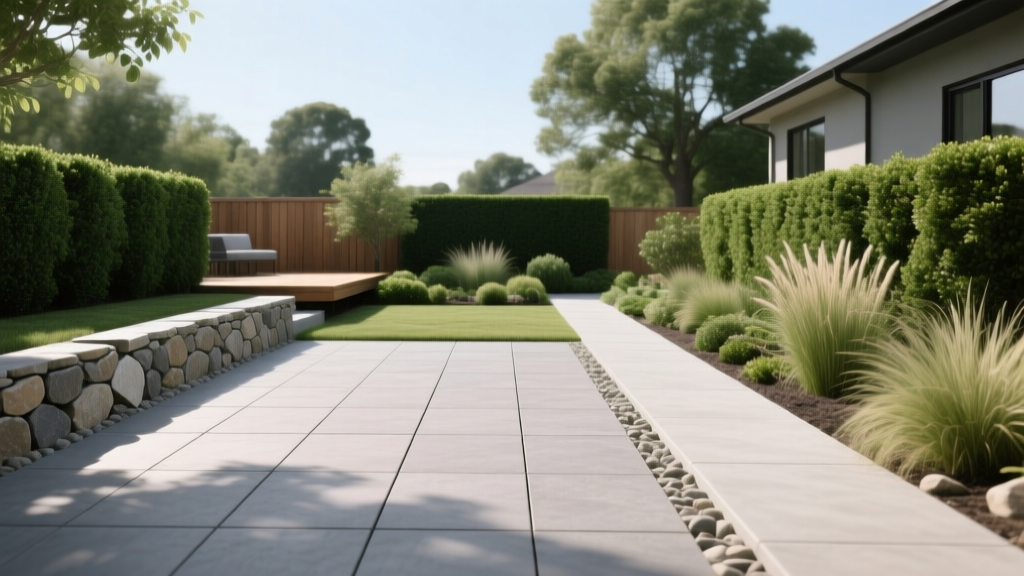
Backyard Patio Landscaping Costs: A 2024 Budget Guide
James MillerPublished
The True Cost of Patio Landscaping by Material
Transforming your backyard into a functional outdoor living space is one of the most rewarding home improvement projects you can undertake. However, hardscaping is also one of the most expensive elements of landscape design. When planning a backyard patio, the material you choose will dictate not only the aesthetic appeal of your outdoor space but also the long-term maintenance, durability, and overall budget. According to industry data from Angi, the national average cost to build a patio ranges widely based on material selection, labor, and site preparation.
Poured and Stamped Concrete
Poured concrete remains the most popular and cost-effective hardscaping material for large patios. A basic broom-finished concrete patio typically costs between $6 and $12 per square foot. If you want to elevate the aesthetic without the price tag of natural stone, stamped and stained concrete is an excellent alternative, mimicking the look of slate, cobblestone, or brick for $12 to $18 per square foot. While concrete is highly durable, it is prone to cracking over time due to freeze-thaw cycles and ground shifting, which can make repairs highly visible.
Concrete Pavers
Concrete pavers offer a fantastic middle ground between affordability and high-end design. They are manufactured in a vast array of colors, shapes, and textures. Pavers generally cost between $10 and $25 per square foot installed. The primary advantage of pavers is their flexibility; because they are individual units laid over a sand and gravel base, they shift with the ground rather than cracking. If a paver breaks or stains, you can simply lift it and replace it. Data from HomeGuide indicates that concrete pavers are currently the most requested material for mid-tier landscaping budgets due to their balance of longevity and design versatility.
Natural Stone and Flagstone
For homeowners seeking a premium, organic, and timeless look, natural stone such as flagstone, bluestone, or slate is the ultimate choice. Natural stone patios cost anywhere from $15 to $35+ per square foot, with high-end bluestone or custom-cut travertine pushing the upper limits. Natural stone requires a highly skilled mason to cut, fit, and level the irregular pieces, which significantly drives up labor costs. However, the unparalleled beauty and extreme durability of natural stone often yield the highest return on investment for luxury homes.
Gravel and Decomposed Granite
If you are working with a strict budget or prefer a rustic, permeable landscape design, gravel and decomposed granite (DG) are exceptional choices. Gravel patios cost a mere $2 to $5 per square foot. While they require occasional raking and topping up, they offer excellent drainage and a satisfying crunch underfoot. To keep gravel contained and prevent it from migrating into your lawn or garden beds, you must budget for metal or heavy-duty plastic edging and a geotextile weed barrier fabric beneath the base.
Comprehensive Patio Material Comparison Chart
To help you visualize the financial and practical differences between popular hardscaping materials, review the comparison table below:
| Material | Avg Cost per Sq Ft | Lifespan | Maintenance Level | DIY Friendly? |
|---|---|---|---|---|
| Poured Concrete | $6 - $12 | 25-30 Years | Low | Moderate |
| Stamped Concrete | $12 - $18 | 25-30 Years | Medium (Requires Sealing) | No |
| Concrete Pavers | $10 - $25 | 30-50 Years | Low | Yes |
| Natural Flagstone | $15 - $35 | 50+ Years | Low | No |
| Gravel / DG | $2 - $5 | 10-15 Years | High (Raking/Refilling) | Yes |
Hidden Hardscaping Costs That Break the Budget
One of the most common mistakes homeowners make when budgeting for landscaping is calculating only the cost of the surface materials. The reality is that a successful patio relies entirely on what lies beneath it. Failing to account for site preparation and hidden infrastructure can derail your budget entirely.
Site Preparation, Excavation, and Grading
Before a single paver is laid or concrete is poured, the site must be excavated to a depth of 7 to 12 inches to accommodate a compacted gravel base and sand setting bed. If your yard has a significant slope, the contractor will need to perform extensive cut-and-fill grading, potentially requiring the construction of a retaining wall to create a level pad. Excavation and grading can add $500 to $2,500 to your total project cost, depending on soil conditions and accessibility for heavy machinery.
Drainage Solutions and Water Management
A patio that pools water will quickly deteriorate and can cause severe foundation issues for your home. Proper landscaping requires a minimum slope of 1/8 inch per foot away from your house. If your yard's natural topography does not allow for this, you must budget for subsurface drainage solutions. Installing a French drain, channel drains, or a dry well to manage stormwater runoff can add $800 to $2,000 to your hardscaping budget, but it is a non-negotiable expense for protecting your property.
Permits, HOA Fees, and Soil Testing
Depending on your local municipality, a large hardscaping project may require a building or grading permit, which typically costs between $100 and $500. Additionally, if you live in a neighborhood with a Homeowners Association (HOA), you may need to submit your landscape design for architectural review, which can sometimes incur application fees. In areas with expansive clay soils, a geotechnical soil test ($500 to $1,000) might be recommended by structural engineers to ensure your patio base will not heave during seasonal moisture changes.
DIY vs. Professional Landscape Contractors
Labor typically accounts for 50% to 70% of the total cost of a patio installation. This leads many budget-conscious homeowners to consider the DIY route. While laying a small gravel patio or a simple square of concrete pavers is a manageable weekend project for a skilled DIYer, complex designs, natural stone masonry, and poured concrete require professional expertise. The National Association of Landscape Professionals strongly recommends hiring certified contractors for projects involving structural retaining walls, complex drainage integration, and natural stone cutting. A professional crew brings commercial-grade plate compactors, laser levels, and masonry saws that are expensive to rent and difficult to operate safely. Furthermore, professional hardscapers often provide warranties on their base preparation and installation labor, giving you peace of mind that your investment will not sink or shift after the first heavy rain.
Strategic Budgeting: How to Stretch Your Landscaping Dollar
If the quotes you are receiving exceed your available capital, there are several strategic ways to reduce costs without sacrificing the structural integrity or beauty of your outdoor space.
Embrace a Phased Installation Approach
You do not have to build the entire outdoor living oasis in one season. Work with your landscape designer to create a master plan, then execute it in phases. For example, in year one, you might install the primary patio area and essential drainage. In year two, you can add the built-in fire pit, seating walls, and surrounding garden beds. This allows you to spread the financial burden over multiple years while ensuring the foundational base work is done correctly from the start.
Source Local Stone and Materials
Hardscaping materials are incredibly heavy, and freight shipping costs can drastically inflate your budget. If you live in a region where limestone is quarried, choose limestone over imported bluestone. Utilizing locally sourced stone and aggregates dramatically reduces delivery fees and supports local businesses, all while giving your landscape a cohesive, native aesthetic that blends beautifully with the surrounding environment.
Opt for Standard Shapes and Sizes
Custom cuts, curves, and intricate mosaic patterns require immense labor, specialized saws, and result in high material waste. To keep your budget in check, design your patio using straight lines and standard geometric shapes. Choosing pavers that are manufactured in large, uniform sizes (such as 12x12 or 16x24 slabs) will speed up the installation process, significantly reducing the hourly labor costs charged by your contracting crew.
Integrate Low-Cost Ambient Lighting
Instead of hiring an electrician to run hardwired, low-voltage landscape lighting through your newly laid patio and garden beds, consider high-quality solar-powered LED fixtures. Modern solar pathway lights and hardscape spotlights have improved vastly in lumens and battery reliability. Placing these strategically around the perimeter of your patio can provide beautiful evening ambiance without the need to tear up your hardscape to bury electrical conduit.
Conclusion
Budgeting for a backyard patio requires a holistic view of the entire landscaping process. By understanding the true costs of materials, preparing for hidden site-prep expenses, and making strategic design choices, you can create a stunning outdoor living space that adds immense value to your home. Whether you opt for the rustic charm of decomposed granite or the elegant durability of natural flagstone, careful financial planning ensures your hardscaping project will be a source of joy and relaxation for decades to come.

