Home & Garden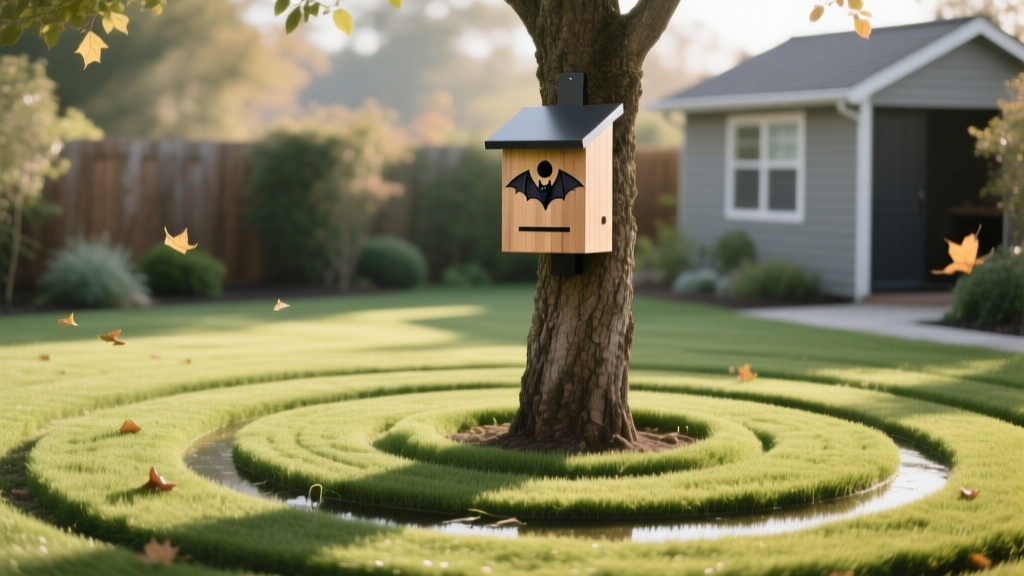
2026 Bat House Height, Orientation & Mowing Mosquito Guide
Mike RodriguezPublished
The Ultimate 2026 Strategy: Combining Bat Houses with Precision Mowing
As mosquito seasons stretch longer into the fall due to shifting climate patterns in 2026, homeowners are increasingly turning to natural, biological pest control. While chemical treatments are losing favor due to environmental concerns and mosquito resistance, the installation of bat houses has surged in popularity. However, simply nailing a wooden box to a tree is not enough. To truly eradicate mosquito populations, you must bridge the gap between vertical wildlife habitats and horizontal lawn care. Specifically, your bat house installation height and orientation must be perfectly synced with your lawn's mowing techniques and patterns.
Optimal Bat House Height and Orientation for Mosquito Control
According to wildlife experts at Penn State Extension, the success of a bat colony hinges entirely on microclimate regulation. Bats require specific thermal conditions to thrive and reproduce, which directly impacts their nightly foraging efficiency and mosquito consumption rates.
The 12-to-20 Foot Rule
For optimal mosquito control, your bat house must be mounted between 12 and 20 feet above the ground. This height serves two critical purposes. First, it provides a clear, unobstructed drop zone for bats to catch flight, as they cannot take off directly from a flat surface. Second, it elevates the roost above the damp, humid boundary layer of air that sits just above your lawn—a layer where mosquitoes heavily congregate.
Solar Orientation: Facing South to Southeast
Orientation dictates the internal temperature of the roost. In the Northern Hemisphere, bat houses should face South or Southeast to capture 6 to 8 hours of direct sunlight daily. The internal temperature of a maternity colony house needs to hover between 85°F and 100°F during the summer months of 2026. If the house is too cold, bats will abandon it; if it is too hot, they will seek shelter in your attic instead.
The Missing Link: How Mowing Patterns Dictate Mosquito Breeding
Here is where most homeowners fail. You can have a perfectly positioned bat house, but if the lawn beneath it is a damp, shaded jungle, you are breeding mosquitoes faster than a colony of 50 bats can eat them. The Centers for Disease Control and Prevention (CDC) notes that many common mosquito species lay their eggs in damp soil, shallow puddles, and heavily thatched grass. Your mowing patterns directly influence soil moisture evaporation and thatch buildup.
The 'Solar Sweep' Striping Pattern
To maximize the mosquito-eating efficiency of your bat house, you must eliminate the breeding grounds directly below it. We recommend the 'Solar Sweep' mowing pattern for the lawn area within a 50-foot radius of the bat house. Instead of mowing in random circles or traditional checkerboards, mow in strict North-to-South lines.
Why North-South? Because the sun rises in the East and sets in the West. By mowing North-South, the low-angle morning and evening sunlight penetrates the grass canopy, reaching the soil surface. This rapid solar heating evaporates morning dew and micro-puddles left behind by your irrigation system, effectively destroying the damp environments where mosquito larvae develop.
Maintaining the 3-Inch Canopy Threshold
In 2026, the standard for turfgrass health remains a cutting height of 2.5 to 3 inches. Cutting your grass shorter than this (scalping) stresses the turf, leading to thin patches where water pools. Leaving it taller than 3 inches creates a shaded, humid canopy at the soil level—the exact environment mosquitoes love. Use a sharp mulching blade to finely chop clippings, preventing thatch buildup that can hold moisture like a sponge.
Managing Mower Noise and the Acoustic Buffer Zone
Bats are incredibly sensitive to high-frequency noise and ground vibrations. The rumble of a commercial-grade gas mower or the ultrasonic sensors of a 2026 robotic mower can cause severe stress to a roosting colony, potentially causing mothers to drop their pups.
Creating the 10-Foot Perimeter Buffer
To protect the bats while maintaining a pristine landscape, establish a 10-foot 'Acoustic Buffer Zone' directly beneath and surrounding the bat house pole or tree. Instead of turfgrass, transition this zone to a low-growing, drought-tolerant ground cover like creeping thyme, or use a layer of cedar mulch.
Cedar mulch is highly recommended for 2026 landscapes because it naturally repels certain insects and, more importantly, eliminates the need to run a loud mower directly beneath the roost. If you must mow near the buffer zone, do so between 10:00 AM and 2:00 PM when bats are in their deepest sleep cycle and least likely to be disturbed by vibrations.
Data Table: 2026 Bat House & Lawn Integration Specifications
| Feature | Specification for Mosquito Control |
|---|---|
| Bat House Height | 12 to 20 feet above ground |
| Orientation | South or Southeast (6-8 hours sun) |
| Mowing Pattern Below | North-South strips for morning solar drying |
| Grass Cutting Height | 2.5 to 3 inches (prevents soil shading) |
| Buffer Zone | 10-foot radius of mulch or low-growing clover |
| Optimal Mowing Time | 10:00 AM to 2:00 PM (minimizes bat disturbance) |
Smart Mower Scheduling for Bat Transit Times
If you utilize a smart robotic mower, such as the latest Husqvarna Automower or Worx Landroid models released for the 2026 season, you must program your mowing schedules around bat transit times. Bats typically emerge to feed on mosquitoes at dusk (around 8:00 PM to 9:30 PM, depending on your latitude) and return at dawn.
Programming your robotic mower to run at dusk creates a massive conflict. The mower's electric motors emit high-frequency whines that can interfere with bat echolocation, making it harder for them to hunt mosquitoes. Furthermore, the mower's physical presence scares away the very pests the bats are trying to eat. Always schedule your smart mower to operate between 10:00 AM and 3:00 PM. This keeps the lawn trimmed, allows the grass to heal before evening fungal spores activate, and leaves the evening airspace completely clear for your bat colony to hunt.
Conclusion: A Holistic Approach to Pest Control
True mosquito control in 2026 requires looking at your yard as a unified ecosystem. By installing your bat house at the correct 12-to-20 foot height with a South-facing orientation, and pairing it with North-South solar mowing patterns and smart acoustic buffer zones, you create an environment where natural predators thrive and pests perish. Stop relying solely on harsh chemicals, and start leveraging the powerful combination of vertical wildlife architecture and precision horizontal lawn care.
