Home & Garden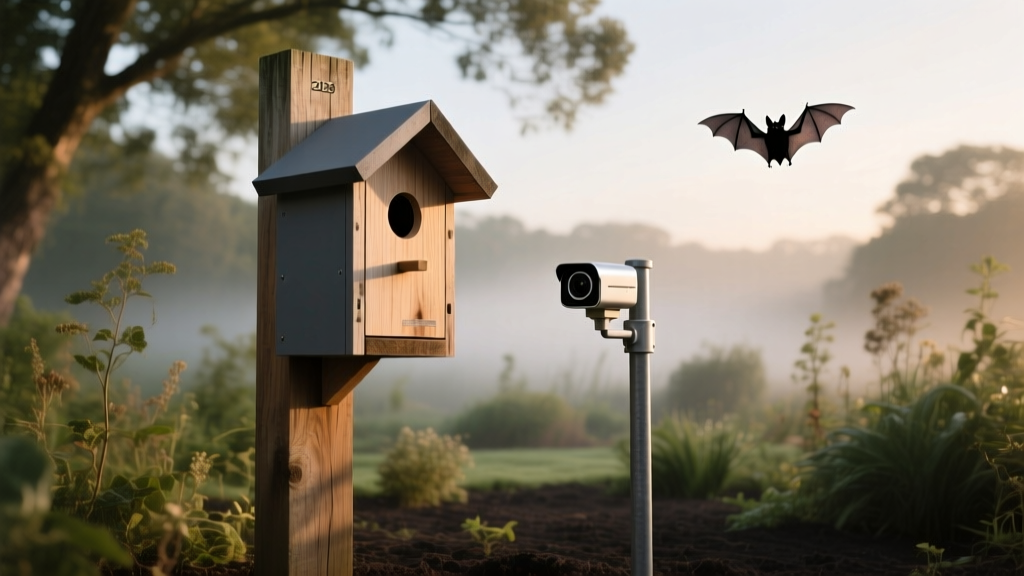
2026 Bat House Installation & Trail Cam Setup Guide
Anna KowalskiPublished
The Evolution of Garden Documentation in 2026
In the realm of home and garden care, the art of garden photography and ecological documentation has shifted dramatically. As we move through 2026, homeowners are no longer satisfied with merely capturing macro shots of prized heirloom tomatoes or time-lapses of blooming hydrangeas. The modern garden documentarian seeks to tell a comprehensive ecological story, bridging the gap between aesthetic landscaping and functional, energy-efficient ecosystem management. One of the most compelling projects you can undertake this season is the installation of a bat house specifically for natural mosquito control, paired with a dedicated wildlife photography and documentation station. By carefully selecting the height and orientation of your bat roost, and deploying the latest in no-glow trail camera technology, you can create a living laboratory in your backyard. This guide will walk you through the precise installation metrics required to attract mosquito-eating bats, alongside the photographic techniques needed to document their nocturnal activities without disrupting their vital ecological work.
Precision Placement: Height and Orientation for Mosquito Control
To effectively reduce the local mosquito population, your bat house must be occupied, and occupancy relies entirely on microclimate engineering. According to guidelines endorsed by Penn State Extension, the height and orientation of your bat house are the two most critical factors for success in temperate climates.
Height Requirements: In 2026, the consensus among wildlife biologists is that bat houses should be mounted between 12 and 20 feet above the ground. This height provides a clear, unobstructed drop zone of at least 10 to 15 feet below the roost, allowing bats to simply drop into flight when emerging at dusk. Mounting the house too low increases the risk of predation from domestic cats and raccoons, while also exposing the roost to ground-level temperature fluctuations that can deter maternity colonies. For optimal documentation, mounting the house at exactly 15 feet on a dedicated steel pole allows for easier maintenance and better camera angles compared to mounting it flush against the siding of your home.
Orientation and Solar Gain: Bats require a roost temperature between 80°F and 100°F to thrive, especially pregnant females rearing pups. To achieve this, the bat house must be oriented to face South or Southeast. This orientation guarantees a minimum of six to eight hours of direct, unfiltered sunlight during the peak heat of the day. If you live in a particularly hot southern climate (USDA Zones 8-10), a dual-chamber house with a slightly more Eastern orientation can prevent the roost from overheating during the brutal August afternoons.
Setting Up Your Nocturnal Documentation Station
Photographing bats requires a delicate balance between capturing high-quality imagery and adhering to strict ethical wildlife standards. Bats are highly sensitive to light and disruption; a poorly placed flash or a bright security light can cause a colony to abandon a roost entirely. Therefore, your 2026 documentation setup must rely on advanced, invisible infrared technology and specialized twilight photography techniques.
Trail Camera Deployment: For continuous, passive documentation, invest in a no-glow or black flash trail camera. Models like the Reconyx HyperFire 2 or the Browning Strike Force Pro X utilize 940nm infrared LEDs that emit zero visible light, ensuring the bats remain entirely undisturbed. Mount your trail camera on a separate pole approximately 12 to 15 feet away from the bat house, angled slightly upward. This distance prevents the IR flash from washing out the image and captures the bats in mid-flight as they exit the roost.
Twilight Mirrorless Photography: For active, high-resolution photography, the twilight window—the 20 minutes immediately following sunset—is your golden hour. Using a modern full-frame mirrorless camera equipped with a fast prime lens (such as a 35mm f/1.4 or 50mm f/1.2), you can capture stunning, moody silhouettes of bats emerging against the dusk sky. Set your camera on a sturdy tripod, dial your ISO to 3200 or 6400, open your aperture wide, and maintain a shutter speed of at least 1/250th of a second to freeze the rapid wing beats. Pre-focus manually on the exit slit of the bat house and use a remote shutter release to capture the action without introducing camera shake.
Acoustic Monitoring and Data Tracking
True garden documentation goes beyond pretty pictures; it involves rigorous data collection and ecological tracking. To prove the efficacy of your bat house for mosquito control, you must establish a baseline and track the variables throughout the 2026 season. The Centers for Disease Control and Prevention (CDC) notes that while bats consume thousands of insects nightly, integrated pest management requires monitoring to understand local mosquito population dynamics.
Incorporate an ultrasonic acoustic monitor, such as the Wildlife Acoustics EchoMeter Touch 2, into your documentation workflow. These devices record the echolocation calls of passing bats, allowing you to identify the exact species visiting your garden and distinguish between commuting calls and feeding buzzes. By correlating the frequency of feeding buzzes with data from a smart mosquito trap (like the Biogents BG-Mosquitaire CO2) placed at the opposite end of your property, you can create compelling data visualizations. Empty and count the mosquito catch tray weekly, logging the data into a digital garden journal. Pair this quantitative data with your trail camera timestamps to build a comprehensive ecological report of your outdoor space.
Installation and Documentation Configuration Chart
| Installation Variable | Optimal 2026 Specification | Camera and Documentation Setup |
|---|---|---|
| Mounting Height | 15 to 20 feet above ground | Mount trail cam 10 ft high, 15 ft away to capture flight path |
| Orientation | South to Southeast | Position camera North of the house to avoid direct sun glare on the lens |
| Sun Exposure | 6 to 8 hours of direct sunlight | Use a polarizing filter for daytime structural documentation shots |
| Drop Zone Clearance | Minimum 12 feet unobstructed | Ensure no tree branches block the IR flash path or flight trajectory |
| Pole Material | Galvanized steel or treated wood | Use a heavy-duty ball-head mount for precise micro-adjustments of camera angle |
Ethical Considerations and Final Thoughts
As garden documentarians, our primary directive is to do no harm. Bat Conservation International strongly advises against opening or inspecting a bat house once it has been occupied, as the stress can cause mothers to drop their pups. Rely entirely on your external camera setups and acoustic monitors to gather data. Never use white-light flash photography near an active roost, and avoid pruning nearby trees or doing loud landscaping work during the critical maternity season from May through August.
By meticulously planning your bat house height and orientation, and pairing it with a respectful, high-tech photography setup, you transform your backyard into a thriving, documented sanctuary. Not only will you enjoy your outdoor living spaces free from the bite of mosquitoes, but you will also possess a rich, multimedia archive of the fascinating nocturnal life that protects your garden. This holistic approach to landscape management and documentation represents the future of home gardening, where every installation serves both an ecological purpose and a storytelling opportunity.
