Home & Garden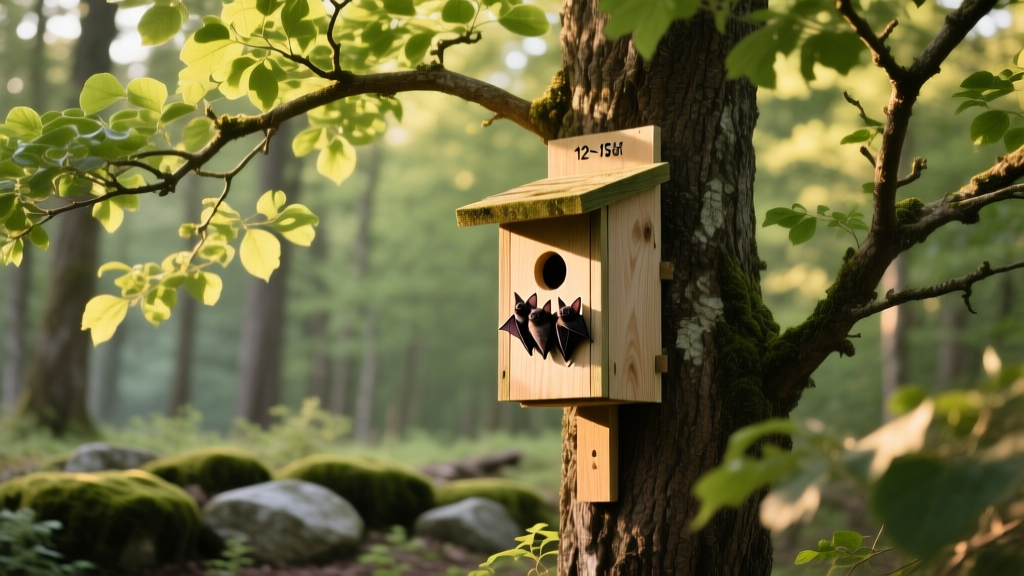
Bat House Installation & Pruning For Mosquitoes 2026
James MillerPublished
Natural Mosquito Control in 2026: The Synergy of Bats and Pruning
As we navigate the 2026 gardening season, homeowners are increasingly turning away from harsh chemical pesticides and toward Integrated Pest Management (IPM) strategies. With mosquito-borne illnesses remaining a concern and chemical resistance on the rise, biological control has never been more critical. A single little brown bat can consume up to 1,000 mosquito-sized insects in a single hour. However, simply purchasing a multi-chambered rocket box or flat-panel bat house and nailing it to the nearest tree is rarely enough to establish a thriving colony. The success of your bat house relies heavily on the surrounding microclimate and flight paths, which are directly dictated by your landscape's pruning methods and timing.
Bridging the gap between hardscape installation and horticultural maintenance, this guide explores how precise tree pruning techniques and seasonal timing can optimize bat house height, orientation, and sun exposure to maximize natural mosquito control around your outdoor living spaces.
Ideal Bat House Height and Orientation for Microclimate Control
Before making a single pruning cut, you must understand the environmental requirements of your target bat species. According to 2026 guidelines from Bat Conservation International, bats require a stable, warm internal roosting temperature ranging between 80°F and 100°F to thrive, especially for maternity colonies raising pups.
Height Requirements
Bat houses should be mounted between 12 and 20 feet off the ground. This height provides a necessary 'drop zone'—bats cannot take flight from a standing start like birds; they must drop 10 to 15 feet to catch the air with their wings. If your house is mounted too low, or if lower tree branches obstruct this drop zone, the bats will abandon the roost.
Orientation and Sun Exposure
Orientation is paramount. In the Northern Hemisphere, bat houses should face South or Southeast to capture the morning and midday sun. The roost must receive a minimum of 6 to 8 hours of direct, unfiltered sunlight daily. This is where strategic landscape pruning becomes the linchpin of your mosquito control strategy. An improperly placed or overgrown canopy will cast shadows on the bat house, lowering the internal temperature and causing colony failure.
Pruning Methods to Optimize Sun Exposure and Flight Paths
To ensure your bat house receives the requisite sunlight and remains accessible, you must employ specific arboricultural techniques. When executing these cuts, always follow the proper collar cut techniques outlined by the Arbor Day Foundation to protect tree health and prevent disease ingress.
1. Crown Thinning for Dappled to Direct Light
Crown thinning involves the selective removal of smaller, tertiary branches throughout the canopy of trees surrounding your bat house. The goal is not to strip the tree bare, but to open up the foliage density to allow solar penetration. By removing crossing branches, deadwood, and inward-growing limbs, you create a light corridor that ensures the bat house receives its 6-8 hours of direct sunlight, even as surrounding trees leaf out in late spring.
2. Canopy Raising for the Drop Zone
Canopy raising is the process of removing the lower branches of a tree to increase the clearance between the ground and the lowest foliage. If you are mounting a bat house on a pole or the side of a structure near a tree, you must raise the canopy of adjacent trees to ensure a completely unobstructed 15-foot vertical drop below the house. Bats navigating in low-light dusk conditions will avoid roosts where they risk colliding with lower branches upon dropping into flight.
3. Directional Pruning for Flight Corridors
Bats prefer to approach their roosts from below, swooping up into the landing pad. Directional pruning involves removing specific limbs that block the primary approach vectors. Assess the prevailing winds and the nearest water source (where mosquitoes breed), and prune back branches that obstruct the aerial highway between the feeding grounds and the bat house.
Timing Your Pruning: Protecting Colonies and Tree Health
The timing of your pruning is just as critical as the method. Pruning at the wrong time of year can disturb active bat colonies, violate wildlife protection laws, or stress trees during vulnerable growth phases. For detailed timing on regional tree dormancy and wound sealing, consult resources like the University of Minnesota Extension.
Winter and Dormant Season Pruning (Late Fall to Early Spring)
The absolute best time to perform heavy crown thinning, canopy raising, and structural pruning is during the tree's dormant season, typically between late November and early March. During this window, bats are either hibernating in caves (not in your bat house) or have migrated, and trees are not actively growing, which minimizes sap loss and the risk of pest infestations in the pruning wounds. Completing your structural pruning in February ensures the landscape is perfectly staged for bat house installation in early April.
Summer Maintenance and the Maternity Season Danger Zone
From May through August, female bats form maternity colonies to give birth and raise their flightless pups. Never perform heavy pruning or tree removal near an occupied bat house during these months. Vibrations from chainsaws, falling branches, or sudden shifts in sunlight exposure can cause mother bats to panic, potentially dropping their pups. Limit summer pruning to light, hand-snip maintenance of fast-growing shrubs well away from the roost's drop zone.
Integrating Bat Habitats with Smart Landscaping
In 2026, smart home integration extends to the garden. Smart irrigation controllers and soil moisture sensors are excellent for reducing the standing water where mosquitoes breed. However, biological control via bats is required to eliminate the airborne adults. When installing smart sprinkler heads, ensure they are not angled to spray the bat house or the surrounding trees' lower trunks, as excessive moisture can lead to wood rot and fungal diseases. Furthermore, use your smart outdoor lighting strategically: bats prefer to hunt in the dark, so ensure your smart pathway lights are shielded and do not cast glare into the bat house's flight corridor, which can deter their evening foraging flights.
Comparison Chart: Pruning Methods for Bat Habitats
| Pruning Method | Primary Purpose for Bat House | Optimal Timing | Tools Required |
|---|---|---|---|
| Crown Thinning | Increases direct sunlight penetration to maintain 80°F-100°F internal roost temps. | Winter (Dormant Season) | Bypass pruners, pole saw |
| Canopy Raising | Creates a 15-foot clear drop zone for safe, unobstructed takeoff and landing. | Late Winter / Early Spring | Pruning saw, loppers |
| Directional Pruning | Clears approach vectors from nearby water sources and mosquito breeding grounds. | Winter (Dormant Season) | Chainsaw (for large limbs), pole pruner |
| Deadwood Removal | Prevents falling branches from damaging the bat house or injuring dropping bats. | Anytime (Avoid Maternity Season if near roost) | Hand saw, safety gear |
Step-by-Step Installation and Pruning Integration
- Site Assessment (Autumn): Track the sun's path across your property. Identify a South or Southeast facing location on a sturdy tree trunk, wooden post, or the side of a structure.
- Dormant Pruning (Winter): Execute canopy raising and crown thinning on surrounding trees to guarantee 6-8 hours of direct sunlight will hit the chosen spot once spring foliage emerges.
- Mounting (Early Spring): Install the bat house at a height of 12 to 20 feet before bats return from migration or emerge from hibernation. Use rust-proof hardware and ensure the mounting surface is roughened or grooved for grip.
- Smart Integration (Spring): Calibrate smart irrigation zones to avoid overspray onto the bat house and adjust smart lighting to minimize glare in the flight path.
- Summer Observation (Summer): Monitor for guano accumulation below the house, indicating a successful colony. Refrain from heavy pruning and loud landscaping work near the roost.
Conclusion
Effective mosquito control in 2026 requires a holistic approach that bridges outdoor infrastructure with mindful horticulture. By understanding the critical relationship between bat house orientation, height, and the surrounding tree canopy, you can create a highly effective, natural pest-control system. Mastering the methods and timing of your landscape pruning not only protects the health of your trees but also provides the exact microclimate and flight corridors that bats need to thrive. Invite bats into your garden this season, and let nature handle the mosquitoes.
