
Landscaping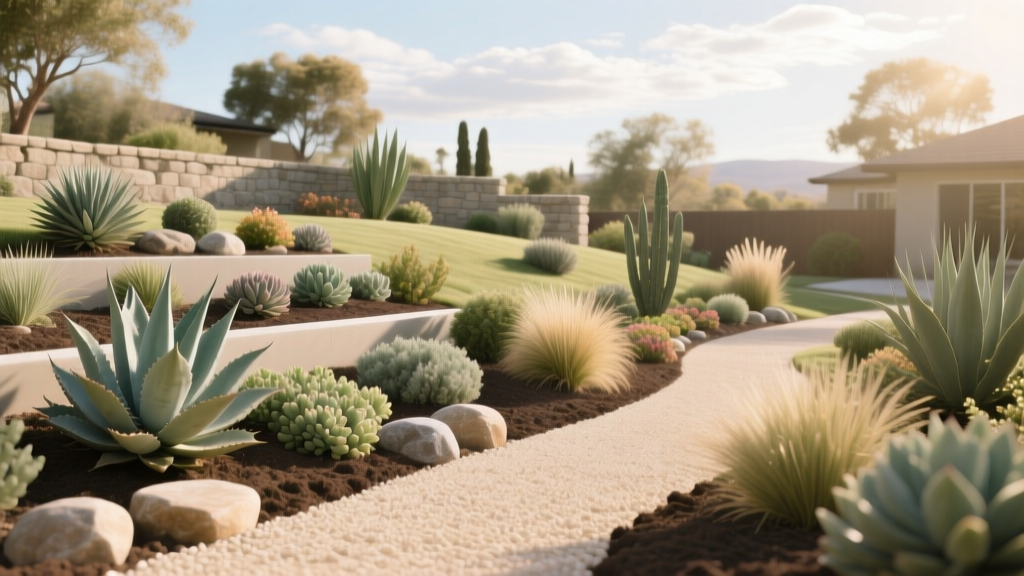
A Beginner's Guide to Growing a Drought-Tolerant Xeriscape
Anna KowalskiPublished
Introduction to Drought-Tolerant Landscaping
Creating a stunning outdoor space does not require a massive water bill or hours of daily maintenance. For beginners looking to merge aesthetic appeal with environmental responsibility, xeriscaping offers the perfect solution. Xeriscaping, derived from the Greek word 'xeros' meaning dry, is a landscaping method designed to reduce or eliminate the need for supplemental water from irrigation. According to the EPA WaterSense program, outdoor water use accounts for nearly 30 percent of total household water consumption, making water-smart landscaping an impactful choice for both your wallet and the environment.
This beginner-friendly growing guide will walk you through the fundamental principles of designing, preparing, and planting a thriving drought-tolerant garden. Whether you live in an arid climate or simply want to build a resilient landscape that withstands summer heatwaves, these actionable steps will set you up for long-term success.
Step 1: Site Analysis and Hydrozoning
Before buying a single plant, you must understand your yard's unique microclimates. Hydrozoning is the practice of grouping plants with similar water, sunlight, and soil requirements together. This prevents overwatering drought-tolerant species just to keep a thirsty plant alive nearby.
Mapping Your Zones
- High Water Zones (Oasis): Areas near patios, entryways, or downspouts where water naturally collects. Reserve these for thirstier plants or small turf areas.
- Moderate Water Zones: Transition areas that receive occasional irrigation or shade that reduces evaporation.
- Low Water Zones: The bulk of your landscape, including slopes, parkways, and full-sun exposure areas. This is where your true xeriscape stars will thrive.
Spend a week observing your yard. Note where the sun hits during the hottest part of the day, where water pools after a rainstorm, and where the soil dries out and cracks. The Texas A&M AgriLife Extension emphasizes that proper planning and design are the most critical steps in xeriscaping, as they dictate the survival and water efficiency of your plant selections.
Step 2: Soil Preparation and Amendment
Drought-tolerant plants generally prefer well-draining soil. Heavy clay soils can hold too much moisture around the roots of succulents and Mediterranean herbs, leading to fatal root rot. Conversely, sandy soils drain too quickly, requiring more frequent watering until plants are established.
Testing and Amending Your Soil
Start by conducting a simple percolation test. Dig a hole 12 inches deep and 12 inches wide, fill it with water, and let it drain. Refill it and measure how long it takes to drain. If it drains slower than one inch per hour, you have heavy clay. If it drains faster than four inches per hour, your soil is too sandy.
For clay-heavy soils, avoid adding sand, which can create a concrete-like texture. Instead, amend the top six to eight inches with organic compost or expanded shale to improve aeration and drainage. For sandy soils, mix in compost or peat moss to increase water retention. When planting native xeriscape species, many experts recommend minimal amendment, as these plants are adapted to the native, often nutrient-poor, soil profiles.
Step 3: Selecting Beginner-Friendly Drought-Tolerant Plants
The key to a successful low-water garden is choosing the right plants for your specific hardiness zone and microclimate. Native plants are generally the best choice, as they have evolved to survive local rainfall patterns and support indigenous pollinators. To ensure you are picking the right plants for your region, consult the UC Davis WUCOLS (Water Use Classification of Landscape Species) database, an invaluable tool for matching plants to their actual water needs.
Below is a curated list of highly resilient, beginner-friendly plants that perform exceptionally well in low-water landscapes across various temperate and arid zones.
| Plant Name | Botanical Name | Sun Exposure | Water Needs | Mature Size | Best Use |
|---|---|---|---|---|---|
| Purple Coneflower | Echinacea purpurea | Full Sun | Low | 2-4 ft tall, 2 ft wide | Borders, Pollinator Gardens |
| Blanket Flower | Gaillardia aristata | Full Sun | Very Low | 1-2 ft tall, 2 ft wide | Groundcover, Rock Gardens |
| Agave | Agave americana | Full Sun | Extremely Low | 3-6 ft tall, 6-10 ft wide | Focal Point, Architectural |
| Russian Sage | Perovskia atriplicifolia | Full Sun | Low | 3-5 ft tall, 2-4 ft wide | Mass Planting, Hedges |
| Creeping Thyme | Thymus serpyllum | Full to Part Sun | Low | 2-4 in tall, 12-18 in wide | Pathways, Lawn Alternative |
| Yarrow | Achillea millefolium | Full Sun | Low | 2-3 ft tall, 2 ft wide | Cottage Gardens, Cut Flowers |
Planting Tips for Success
When planting, dig a hole twice as wide as the nursery pot but no deeper than the root ball. Planting too deeply is a common beginner mistake that suffocates roots and invites crown rot. Gently tease out any circling roots before placing the plant in the hole, backfill with native soil, and water deeply to eliminate air pockets.
Step 4: Efficient Irrigation Techniques
A common misconception about xeriscaping is that it requires absolutely zero water. While mature drought-tolerant plants can survive on natural rainfall, they require consistent, deep watering during their first one to two growing seasons to establish a robust root system.
Ditch the Sprinklers
Overhead sprinklers lose massive amounts of water to wind drift and evaporation. Instead, install a drip irrigation system. Drip emitters deliver water directly to the base of the plant at a slow rate, encouraging roots to grow deep into the soil profile where moisture is naturally retained.
- Emitter Placement: Place emitters 12 to 18 inches away from the main stem to encourage outward root growth.
- Watering Schedule: Water deeply and infrequently. For established xeriscape plants, watering once every two weeks during peak summer heat is often sufficient.
- Smart Controllers: Invest in a weather-based smart irrigation controller that adjusts watering schedules based on local rainfall and temperature data.
Step 5: The Magic of Mulch
Mulch is the unsung hero of the drought-tolerant landscape. A proper layer of mulch acts as an insulating blanket, keeping soil temperatures cool, suppressing water-stealing weeds, and drastically reducing surface evaporation.
Choosing the Right Mulch
Not all mulches are created equal. Organic mulches, such as shredded bark or wood chips, break down over time and improve soil structure. However, for true xeriscape gardens featuring succulents, cacti, and Mediterranean herbs, inorganic mulches are often superior.
- Gravel and Crushed Rock: Excellent for reflecting heat and providing sharp drainage around the crowns of succulents. Use a 2 to 3-inch layer of decomposed granite or pea gravel.
- River Rock: Larger stones that stay in place during heavy rainstorms and provide a modern, architectural aesthetic.
Always keep mulch a few inches away from the base of woody shrubs and tree trunks to prevent moisture buildup that can lead to fungal diseases and pest infestations.
Step 6: Ongoing Maintenance and Pruning
While xeriscapes are marketed as low-maintenance, they are not no-maintenance. The nature of the work simply shifts from constant watering and mowing to seasonal pruning and weeding.
Seasonal Care Guide
Spring: Clear away winter debris and cut back dormant ornamental grasses to about four inches above the ground. This allows fresh, green growth to emerge unimpeded. Check your drip irrigation lines for clogs or damage caused by freezing temperatures or rodents.
Summer: Deadhead spent flowers on perennials like coneflowers and blanket flowers to encourage a second flush of blooms. Pull weeds early before they establish deep taproots and compete with your desired plants for scarce water resources.
Fall: Resist the urge to over-clean your garden. Leaving seed heads on plants like yarrow and echinacea provides crucial winter food for local bird populations. Avoid heavy pruning in the fall, as the old growth protects the plant's crown from freezing winter temperatures.
Winter: Plan for the next season. Take notes on which plants thrived and which struggled, and sketch out ideas for expanding your hydrozones or adding new hardscape elements like permeable pavers or dry creek beds to manage stormwater runoff.
Conclusion: Embracing the Xeriscape Lifestyle
Transitioning to a drought-tolerant landscape is one of the most rewarding projects a beginner gardener can undertake. It challenges the traditional, resource-heavy aesthetic of the American lawn and replaces it with a dynamic, textural, and ecologically vibrant environment. By mastering hydrozoning, improving your soil, selecting resilient native plants, and utilizing smart irrigation and mulching techniques, you can cultivate a breathtaking garden that thrives in harmony with its natural surroundings. Start small, observe your landscape, and let nature guide your design choices for a sustainable and stunning outdoor sanctuary.

