
Landscaping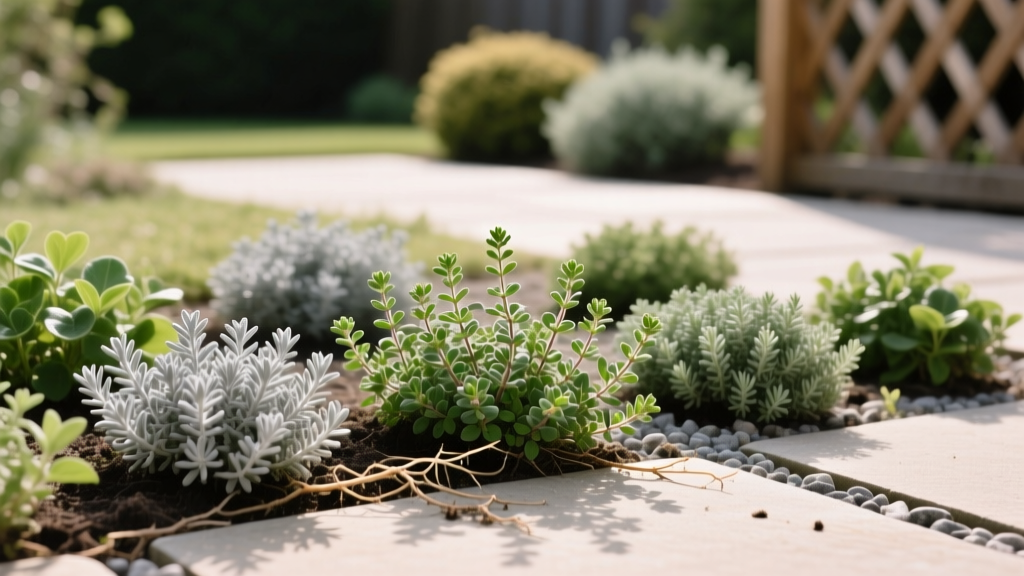
A Beginner Guide to Growing Creeping Thyme Groundcover
James MillerPublished
Introduction to Creeping Thyme in Landscaping
When designing a low-maintenance landscape, finding the right groundcover can transform problematic areas into lush, vibrant carpets of foliage. For beginners looking to replace water-thirsty turfgrass or fill in the gaps between stepping stones, creeping thyme (Thymus serpyllum and related species) is an outstanding choice. This hardy, perennial herb is celebrated for its aromatic foliage, delicate blooms, and remarkable resilience. Whether you are looking to soften the edges of a hardscaped patio, stabilize a rocky slope, or create a pollinator-friendly lawn alternative, creeping thyme offers a versatile and forgiving solution for novice gardeners and seasoned landscapers alike.
Unlike traditional lawns that demand weekly mowing, frequent watering, and synthetic fertilizers, a creeping thyme landscape thrives on benign neglect once established. In this comprehensive beginner-friendly growing guide, we will walk you through everything you need to know to successfully integrate creeping thyme into your outdoor living spaces, from selecting the right cultivar to mastering the initial planting phase.
Why Choose Creeping Thyme for Your Landscape?
Creeping thyme is a cornerstone of sustainable landscaping. According to the NC State Extension Plant Toolbox, this low-growing perennial is highly valued for its drought tolerance and ability to thrive in poor, rocky soils where traditional turfgrass fails. Here are a few key benefits that make it a favorite among landscape designers:
- Drought Tolerance: Once the root system is established, creeping thyme requires minimal supplemental watering, making it an excellent choice for xeriscaping and water-wise gardens.
- Deer and Rabbit Resistance: The strong, aromatic oils in the leaves naturally deter browsing wildlife, keeping your landscape intact without the need for chemical repellents.
- Pollinator Magnet: During the early to mid-summer blooming period, the tiny flowers attract bees, butterflies, and other beneficial insects, supporting local biodiversity.
- Foot Traffic Resilience: While it will not handle the heavy abuse of a football game, many varieties can withstand light to moderate foot traffic, making them perfect for pathways and between pavers.
Best Creeping Thyme Varieties for Beginners
Not all thymes are created equal. Some grow taller and bushier, while others hug the ground tightly. When planning your garden beds or hardscape borders, choosing the right cultivar is crucial. Below is a comparison chart of the most reliable, beginner-friendly creeping thyme varieties available at most local nurseries.
| Variety Name | Flower Color | Mature Height | Best Landscaping Use |
|---|---|---|---|
| Elfin (Thymus serpyllum 'Elfin') | Pale Lavender | 1 - 2 inches | Between stepping stones, tight crevices |
| Pink Chintz (Thymus praecox 'Pink Chintz') | Deep Pink | 2 - 3 inches | Rock gardens, front of perennial borders |
| Woolly Thyme (Thymus pseudolanuginosus) | Rarely blooms | 2 - 4 inches | Spilling over retaining walls, dry slopes |
| Red Creeping (Thymus praecox 'Coccineus') | Magenta/Red | 2 - 3 inches | Large lawn alternatives, pathway edging |
Step-by-Step Planting Guide
Timing and Site Selection
The best time to plant creeping thyme is in the early spring after the last frost, or in the early fall when temperatures begin to cool. This timing allows the root system to establish before the extreme heat of summer or the freezing temperatures of winter. Creeping thyme demands full sun, meaning your chosen site must receive at least six to eight hours of direct sunlight daily. Shade will cause the plants to become leggy, sparse, and prone to fungal diseases.
Soil Preparation and Drainage
The single most important factor in growing thyme is drainage. The University of Wisconsin-Madison Extension emphasizes that thyme species are highly susceptible to root rot in heavy, waterlogged soils. If you have heavy clay soil, you must amend it before planting. Till the top six inches of soil and mix in a 50/50 blend of native soil and coarse builder's sand or pea gravel. Avoid adding rich compost or peat moss, as thyme prefers lean, slightly alkaline, and well-draining conditions.
Spacing and Planting Depth
When planting from nursery flats or 4-inch pots, dig a hole that is exactly the same depth as the root ball but twice as wide. Place the plant in the hole so that the crown (where the stems meet the roots) is perfectly level with the surrounding soil surface. Burying the crown will lead to immediate rot. For a fast-growing carpet, space your plants 8 to 12 inches apart. If you are on a strict budget and do not mind waiting a full season for the plants to knit together, you can space them up to 18 inches apart.
Ongoing Care and Maintenance
Watering and Fertilizing
During the first growing season, water your newly planted thyme deeply once a week, providing about one inch of water to encourage deep root growth. After the first year, natural rainfall is usually sufficient, and you will only need to water during prolonged droughts. Never fertilize creeping thyme. Rich soils will cause rapid, weak growth and dilute the aromatic oils that make the plant so special.
Pruning and Weed Control
To keep your groundcover looking dense and tidy, shear the plants lightly with a pair of garden shears immediately after they finish blooming in mid-summer. This prevents the center of the plant from becoming woody and bare. As highlighted by Penn State Extension, maintaining a dense groundcover is the best natural weed control. However, while the thyme is filling in, hand-pull weeds carefully. Do not use heavy wood mulch around thyme, as it traps moisture; instead, use a light top-dressing of crushed gravel or pea stone to suppress weeds and keep the foliage dry.
Landscaping Pro Tip: If you are planting thyme between flagstones or pavers, ensure the gap is at least 2 inches wide and fill the bottom half with gravel before adding a shallow layer of soil for the thyme roots. This prevents water from pooling around the hardscape and damaging the plant's crown.
Budgeting and Cost Breakdown
Replacing a traditional lawn or filling a large garden bed with creeping thyme requires some upfront investment, but the long-term savings on water and maintenance are substantial. Here is a quick cost guide to help you budget your landscaping project:
- Seed: The most budget-friendly option at roughly $3 to $5 per packet. However, thyme seeds are notoriously slow to germinate and require meticulous weed control during the first year. Best for small, controlled garden beds.
- Plugs (Tray of 50): Costing between $40 and $60 per tray, plugs offer a great middle ground. They establish faster than seed and are highly cost-effective for large lawn-replacement projects.
- 4-Inch Pots: Priced at $4 to $7 each from local garden centers. This is the most expensive route but provides instant gratification and immediate curb appeal for small hardscape borders and stepping stone gaps.
Conclusion
Integrating creeping thyme into your landscape design is one of the most rewarding projects a beginner can undertake. By selecting the right variety for your specific hardscaping needs, prioritizing soil drainage, and resisting the urge to over-water or fertilize, you will be rewarded with a fragrant, pollinator-friendly carpet that enhances your outdoor living space for years to come. Whether edging a rustic stone pathway or softening the harsh lines of a modern concrete patio, creeping thyme proves that the best landscaping solutions are often the simplest.

