Lawn Care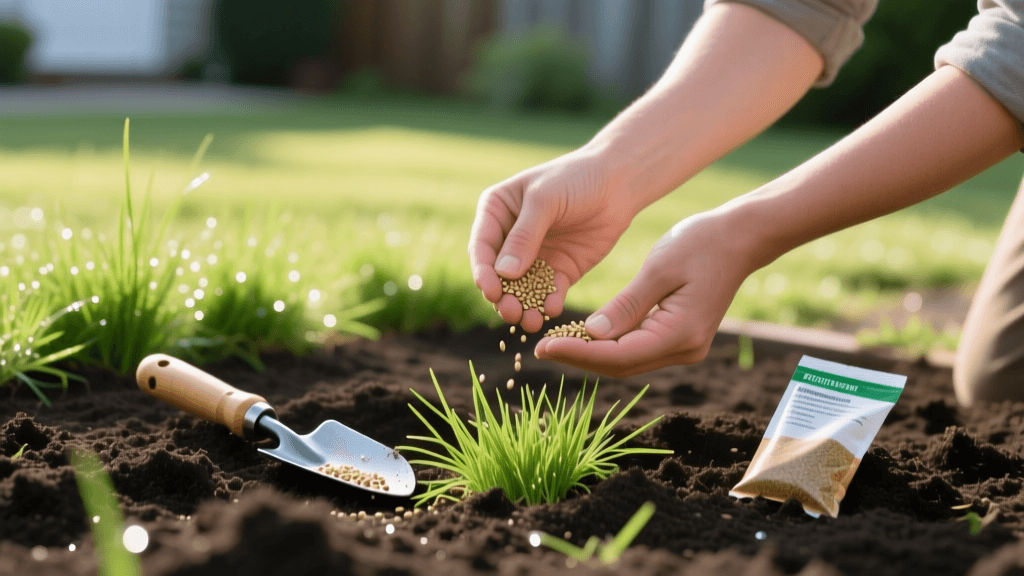
The Ultimate Beginner Guide to Growing Grass from Seed
Introduction to Growing Grass from Seed
Starting a lawn from seed is one of the most rewarding and budget-friendly projects a new homeowner or gardening beginner can undertake. While laying sod offers instant gratification, growing grass from seed allows you to cultivate a deeper, more resilient root system tailored to your specific yard conditions. Whether you are patching bare spots, overseeding an existing thin lawn, or establishing a brand-new landscape from dirt, understanding the fundamentals of seed germination and soil preparation is the key to a lush, green carpet. This beginner-friendly growing guide will walk you through every step of the process, from selecting the right seed variety to executing your first mow.
Seed vs. Sod: Understanding the Costs and Benefits
Before grabbing a shovel, it is important to understand why seed is often the superior choice for beginners on a budget. The cost difference is substantial. Grass seed typically costs between $0.10 and $0.25 per square foot, depending on the blend and brand. In contrast, sod installation can range from $0.50 to over $1.00 per square foot when factoring in delivery and professional labor. Furthermore, seed offers a wider variety of grass species and blends, allowing you to mix shade-tolerant and sun-loving varieties to match the microclimates of your yard. Sod, on the other hand, is usually limited to whatever the local farm is currently harvesting.
Step 1: Choose the Right Grass Seed for Your Climate
Grasses are broadly categorized into two types: cool-season and warm-season. Planting the wrong type for your geographic zone is the most common mistake beginners make. Cool-season grasses thrive in northern climates with distinct winters and mild summers, while warm-season grasses dominate the southern regions with hot summers and mild winters.
| Grass Type | Climate Zone | Germination Time | Best Planting Season |
|---|---|---|---|
| Kentucky Bluegrass | Cool-Season (North) | 14-30 Days | Early Fall |
| Tall Fescue | Cool-Season (Transition) | 7-14 Days | Early Fall |
| Perennial Ryegrass | Cool-Season (North) | 5-10 Days | Fall or Spring |
| Bermudagrass | Warm-Season (South) | 10-21 Days | Late Spring |
| Zoysiagrass | Warm-Season (South) | 14-21 Days | Late Spring |
According to the University of Minnesota Extension, the optimal time to seed cool-season grasses is late summer to early fall. The soil is still warm enough to encourage rapid germination, but the cooling air temperatures reduce weed competition and water evaporation.
Step 2: Test and Prepare Your Soil Foundation
Grass seed cannot thrive in compacted, nutrient-poor dirt. Soil preparation is arguably the most labor-intensive but crucial step in the growing process. Begin by clearing the area of rocks, debris, and existing weeds. If you are starting from scratch, use a rototiller to break up the top 4 to 6 inches of soil. This alleviates compaction and allows new roots to penetrate deeply.
Next, conduct a soil test. You can purchase a basic DIY kit from a garden center for around $15, or send a sample to your local university cooperative extension for a more comprehensive analysis (usually $20-$30). Most turfgrasses prefer a soil pH between 6.0 and 7.0. If your soil is too acidic (below 6.0), you will need to apply pelletized lime. If it is too alkaline (above 7.5), elemental sulfur is required. Finally, rake a 1-inch layer of organic compost into your tilled soil. This improves drainage in clay soils and water retention in sandy soils, providing a rich bed for your seeds.
Step 3: Seeding and Applying Starter Fertilizer
Once your soil is graded and smoothed, it is time to lay down the seed. For uniform coverage, avoid throwing seed by hand. Instead, invest in a broadcast spreader or a drop spreader. Check the back of your seed bag for the recommended application rate, which typically ranges from 4 to 8 pounds per 1,000 square feet for new lawns. Divide your seed in half; spread the first half walking horizontally across the yard, and the second half walking vertically. This cross-hatch pattern prevents missed stripes and ensures an even lawn.
After broadcasting the seed, lightly rake the area so the seeds are covered by no more than 1/4 inch of soil. The Penn State Extension emphasizes that proper soil-to-seed contact is the most critical factor for successful germination. To achieve this, rent or purchase a lightweight lawn roller and go over the entire area. This presses the seeds firmly into the soil bed.
Immediately after rolling, apply a starter fertilizer. Unlike regular lawn food, starter fertilizers are high in phosphorus (the middle number in the N-P-K ratio), which is essential for rapid root development. A product like Scotts Turf Builder Starter Food for New Grass (24-25-4) or Lesco Professional Starter Fertilizer (18-24-6) is ideal. Apply strictly according to the package directions to avoid burning the delicate new sprouts.
Step 4: The Critical Watering and Germination Schedule
Watering is where most beginners fail. Grass seed must remain consistently moist until it germinates and establishes a shallow root system. If the seed dries out even once during the germination window, it will die. Conversely, overwatering will cause the seeds to rot or wash away.
Expert Tip: Set your sprinklers on a timer to water lightly 2 to 3 times a day for about 10 to 15 minutes per session. The goal is to keep the top 1 to 2 inches of soil damp, not soggy. As the grass reaches 2 inches in height, gradually reduce the frequency of watering while increasing the duration to encourage deeper root growth.
For long-term water conservation and lawn health, the EPA's WaterSense program advises watering deeply and infrequently once the lawn is established, aiming for about 1 inch of water per week, including rainfall. This trains the grass roots to grow deeper into the soil, making your lawn more drought-tolerant and resilient during the peak of summer.
Step 5: Your First Mow and Ongoing Lawn Care
Patience is required before your first mow. Wait until the new grass reaches a height of 3 to 4 inches. When you do mow, ensure your mower blades are incredibly sharp; dull blades will tear the tender young grass, leaving it vulnerable to disease and giving it a brown, ragged appearance. Never remove more than one-third of the grass blade in a single mowing session. If the grass is 4 inches tall, set your mower deck to cut it down to roughly 2.5 or 3 inches.
Leave the clippings on the lawn. As they decompose, they return valuable nitrogen and organic matter back to the soil. Avoid applying standard weed-and-feed products or broadleaf herbicides until you have mowed the new lawn at least three to four times. Young grass is highly sensitive to chemicals, and premature herbicide application can stunt growth or kill the seedlings entirely.
Common Beginner Mistakes and How to Avoid Them
- Planting at the Wrong Time: Seeding cool-season grass in the middle of summer leads to heat stress and fungal diseases. Always align your planting schedule with the grass type's preferred season.
- Burying the Seed Too Deep: Grass seed needs sunlight to germinate. Burying it under an inch of topsoil will prevent it from sprouting. A light dusting of soil or a thin layer of straw mulch is all that is needed.
- Skipping the Soil Test: Guessing your soil's pH and nutrient levels often results in wasted money on fertilizers that the grass cannot absorb. A $20 soil test can save you hundreds of dollars in failed lawn treatments.
- Using Straw with Weed Seeds: If you choose to cover your seeded area to retain moisture, use weed-free straw or a specialized grass seed mat. Standard hay is full of agricultural weed seeds that will hijack your new lawn.
Conclusion
Growing a lawn from seed requires upfront effort, precise timing, and a disciplined watering schedule, but the payoff is a vibrant, custom-tailored landscape that enhances your home's curb appeal. By selecting the right grass variety for your climate, preparing a nutrient-rich soil bed, and nurturing the seedlings through their fragile germination phase, you will establish a thick, healthy turf that can withstand foot traffic and seasonal stress. Grab your spreader, test your soil, and enjoy the deeply satisfying process of growing your own lawn from the ground up.