Grass Types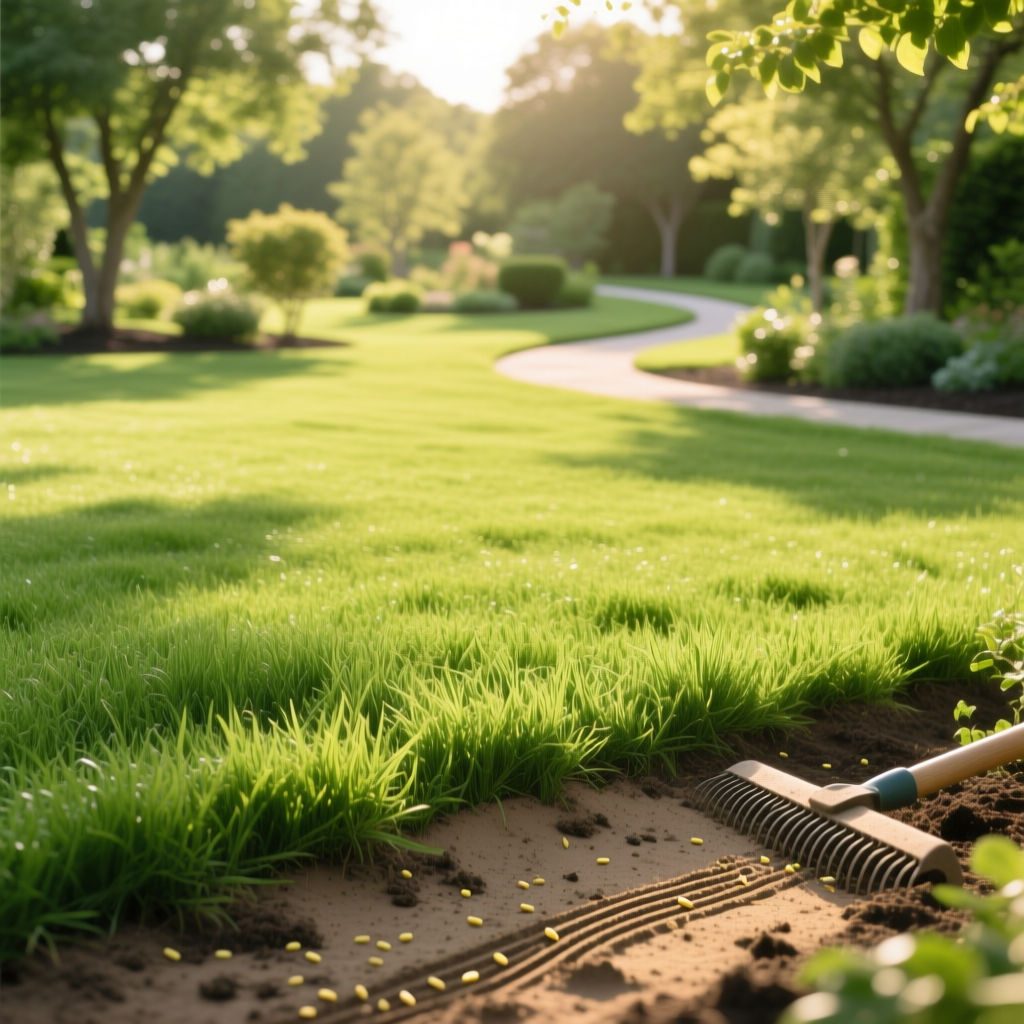
Best Grass Seed for Clay Sandy Soil: The Ultimate Guide
James MillerPublished
Understanding the Challenge of Clay-Sandy Soil
When it comes to cultivating a lush, vibrant lawn, soil composition is the absolute foundation of your success. For many homeowners, dealing with extreme soil types like pure sand or heavy clay is a well-known struggle. However, a surprisingly common and uniquely challenging soil profile is clay-sandy soil, often referred to as sandy clay or sandy clay loam. This soil type presents a paradoxical environment for turfgrass: it combines the rapid drainage and nutrient-leaching properties of sand with the compaction and moisture-retention issues of clay.
In a sandy clay matrix, the microscopic clay particles often fill the porous gaps between the larger sand grains. When dry, this combination can bake into a hard, concrete-like crust that repels water and prevents delicate grass seeds from establishing roots. When wet, it can become a sticky, poorly drained mess that suffocates roots and promotes fungal diseases. Because of these extreme fluctuations in moisture and aeration, selecting the best grass seed for clay sandy soil is critical. You cannot simply plant any generic seed mix and expect a thriving lawn. Instead, you must choose grass varieties with aggressive, deep-rooting systems capable of breaking through compacted layers, seeking out deep moisture, and tolerating erratic nutrient availability.
In this comprehensive guide, we will explore the top turfgrass varieties engineered by nature to thrive in these difficult conditions. We will also cover essential soil preparation techniques, ongoing maintenance strategies, and the unique pros & cons of managing a lawn in sandy clay soil. Whether you are establishing a brand-new lawn or overseeding an existing patchy yard, understanding your soil is the first step toward turfgrass success.
Top Grass Varieties for Clay-Sandy Soil
To conquer sandy clay soil, you need grasses with robust root systems and high environmental stress tolerance. Below are the best grass seed options for this challenging soil profile, categorized by their seasonal growing preferences.
Tall Fescue (Cool-Season)
Tall Fescue is widely considered the undisputed champion of cool-season grasses for difficult soil profiles. Unlike fine fescues or Kentucky bluegrass, which have shallow, fibrous root systems that struggle in compacted earth, Tall Fescue develops massive, deep taproots that can plunge up to three feet into the soil. This incredible root depth allows the grass to bypass the hard, crusted top layer of sandy clay and access deep moisture reserves during summer droughts. Furthermore, its extensive root network naturally helps to break up compacted soil over time, improving aeration and water infiltration. Tall Fescue is highly adaptable, tolerating both the nutrient-poor aspects of sand and the heavy, dense nature of clay. It thrives in the transition zone and northern climates, offering excellent wear tolerance and deep green color throughout the cooler months.
Bermudagrass (Warm-Season)
For homeowners in southern and transitional climates, Bermudagrass is a powerhouse option for sandy clay soils. Bermudagrass spreads aggressively through both above-ground stolons and below-ground rhizomes. These rhizomes act like natural plows, forcefully pushing through compacted clay-sand layers and creating channels for water and air to penetrate the soil. Bermudagrass is exceptionally drought-tolerant and recovers rapidly from damage, making it ideal for high-traffic lawns that might otherwise suffer from severe soil compaction. While it prefers full sun and well-draining soil, its aggressive nature allows it to adapt to the erratic drainage patterns of sandy clay, provided the soil is not perpetually waterlogged. It requires regular mowing and maintenance but rewards homeowners with a dense, carpet-like lawn that chokes out weeds.
Zoysiagrass (Warm-Season)
Zoysiagrass is a premium warm-season turfgrass known for its thick, luxurious texture and incredible resilience. It possesses a deep, extensive root system that excels at anchoring the plant in loose sandy pockets while simultaneously drawing moisture from dense clay layers. Zoysia is highly tolerant of poor soil conditions and requires less fertilizer than Bermudagrass, which is a major advantage in sandy soils where nutrients tend to leach away quickly. Its dense growth habit creates a thick canopy that shades the soil, reducing surface evaporation and preventing the sandy clay from baking into a hard crust during peak summer heat. While Zoysia is slower to establish from seed than other varieties, its long-term durability and low water requirements make it an outstanding investment for challenging soil profiles.
Buffalograss (Warm-Season Native)
If you live in the Great Plains or western regions and are looking for an eco-friendly, low-maintenance option, Buffalograss is an exceptional choice. As a native prairie grass, Buffalograss evolved to survive in harsh, unforgiving soils with minimal rainfall. Its roots can extend several feet deep, easily navigating the complex layers of sandy clay to find sustenance. Buffalograss requires significantly less water, mowing, and fertilization than traditional turfgrasses. It thrives in alkaline soils, which are common in clay-heavy regions. While it does not provide the manicured, dark-green carpet of a Kentucky bluegrass lawn, it offers a beautiful, naturalized, meadow-like aesthetic that is virtually bulletproof against drought and poor soil structure.
Characteristics & Growing Zones of Sandy Clay Soil Grasses
Understanding the intersection of your local climate and your soil type is vital for long-term lawn health. Sandy clay soil behaves differently depending on the growing zone it resides in.
In cool-season and transition zones, sandy clay soil tends to freeze deeply in the winter, which can cause frost heave and damage shallow grass roots. This is why deep-rooted grasses like Tall Fescue are essential; their roots anchor the plant below the frost line. During the summer, the sand component causes the topsoil to heat up rapidly, while the clay component traps humidity, creating a breeding ground for fungal diseases if the lawn is overwatered. Cool-season grasses in these zones require careful watering schedules to keep the roots cool without saturating the clay.
In warm-season zones, the intense summer sun bakes the surface of sandy clay soil, creating a hydrophobic crust. When sudden summer thunderstorms occur, water often runs off the crusted surface rather than penetrating the root zone. Warm-season grasses like Bermudagrass and Zoysiagrass combat this by forming a dense, protective canopy that shades the soil, keeping the surface cooler and more receptive to water absorption. These grasses enter dormancy during the mild winters, allowing their root systems to rest and regenerate before the intense heat of the following spring.
Regardless of the zone, the defining characteristic of grasses that survive in sandy clay is root plasticity—the ability of the root system to adapt its growth pattern to navigate both hard, compacted clay layers and loose, nutrient-deficient sand pockets.
Soil Preparation & Maintenance for Sandy Clay Lawns
Even the best grass seed for clay sandy soil will struggle if planted directly into unprepared, compacted earth. Proper soil preparation bridges the gap between the sand and clay particles, creating a hospitable environment for seed germination and root expansion.
Testing & Amending the Soil
Before purchasing seed, always begin with professional soil testing. Sandy clay soils often suffer from severe pH imbalances and nutrient deficiencies. Sand leaches calcium and magnesium, while clay can lock up phosphorus and iron. Based on your soil test results, you may need to apply lime to raise the pH or sulfur to lower it. The most critical amendment for sandy clay soil is organic matter. Incorporating 2 to 3 inches of high-quality compost into the top 6 inches of soil acts as a physical buffer. Compost prevents clay particles from binding together into hard clods while giving sand particles a sponge-like material to hold onto water and nutrients.
Aeration & Seedbed Preparation
If you are working with an existing lawn or heavily compacted ground, core aeration is non-negotiable. Core aeration removes small plugs of soil, physically breaking up the sandy clay hardpan and creating channels for water, air, and organic matter to reach the root zone. When preparing a new seedbed, avoid tilling the soil when it is wet, as this will destroy the soil structure and create impenetrable clay clumps. Till only when the soil is slightly moist, and rake the surface smooth to ensure good seed-to-soil contact.
Watering & Fertilizing Strategies
Watering a lawn in sandy clay soil requires a delicate balance. Because the soil can hold water tightly in the clay pockets but drain rapidly in the sand channels, shallow, frequent watering is detrimental. It encourages shallow roots that will quickly perish when the surface bakes. Instead, practice deep, infrequent watering. Apply enough water to penetrate 4 to 6 inches into the soil, then allow the top layer to dry out slightly before watering again. This forces the grass roots to grow deep into the soil profile in search of moisture.
When fertilizing lawns in sandy clay soil, rely on slow-release, organic fertilizers. Synthetic, quick-release fertilizers will easily wash through the sandy pockets and pollute groundwater, while failing to penetrate the dense clay layers. Slow-release granules break down gradually, providing a steady stream of nutrients that the complex soil matrix can hold onto and deliver to the roots over time.
Pros & Cons of Growing Grass in Clay-Sandy Soil
While sandy clay soil is undoubtedly challenging, it is not without its unique advantages. Understanding the pros & cons will help you set realistic expectations and tailor your lawn care regimen accordingly.
The Pros
- Nutrient Retention: Unlike pure sand, which washes nutrients away immediately, the clay particles in sandy clay soil possess a negative electrical charge that binds to positively charged nutrients like potassium and calcium, holding them in the root zone for the grass to use.
- Structural Stability: Once a deep-rooted grass is established, the combination of sand and clay provides a highly stable, erosion-resistant base that can withstand heavy foot traffic and severe weather events.
- Faster Spring Warm-Up: Sandy clay soils warm up faster in the spring than heavy, pure clay soils. This allows warm-season grasses to break dormancy earlier and gives cool-season grasses a head start on root development before summer heat arrives.
The Cons
- Severe Compaction: The mixture of large and small particles makes sandy clay highly susceptible to compaction from foot traffic, mowers, and pets, which chokes off oxygen to the roots.
- Surface Crusting: When exposed to direct sun and wind, the surface can form a hydrophobic crust that prevents water infiltration and blocks delicate grass seedlings from emerging.
- Erratic Drainage: Water movement through sandy clay is unpredictable. It may pool in low-lying clay pockets while draining instantly from sandy ridges, leading to uneven lawn health.
Comparison Table: Best Grass Seeds for Clay-Sandy Soil
The following table provides a quick-reference comparison of the top grass varieties suited for sandy clay environments to help you make an informed decision based on your specific climate and maintenance preferences.
| Grass Variety | Season Type | Root Depth | Drought Tolerance | Maintenance Level | Best Growing Zones |
|---|---|---|---|---|---|
| Tall Fescue | Cool-Season | Deep (2-3 ft) | High | Moderate | Transition & Northern |
| Bermudagrass | Warm-Season | Deep & Spreading | Very High | High | Southern & Transition |
| Zoysiagrass | Warm-Season | Deep & Dense | High | Moderate to Low | Southern & Transition |
| Buffalograss | Warm-Season | Very Deep (3-5 ft) | Extreme | Very Low | Plains & Western |
Frequently Asked Questions
Can I just plant any grass seed in sandy clay soil?
No, planting generic or cheap grass seed mixes in sandy clay soil usually results in poor germination and a weak, patchy lawn. Standard Kentucky bluegrass or perennial ryegrass lacks the root strength to penetrate compacted clay layers and the drought tolerance to survive the rapid-draining sand pockets. You must select specialized, deep-rooted varieties like Tall Fescue or Bermudagrass that are biologically equipped to handle the physical stress and erratic moisture levels inherent to sandy clay soil profiles.
How do I improve sandy clay soil before seeding?
The most effective way to improve sandy clay soil is by incorporating generous amounts of organic compost. Spread a 2-inch layer of compost over the area and use a rototiller or garden fork to mix it into the top 4 to 6 inches of the soil. The organic matter acts as a physical wedge, preventing clay particles from locking together while giving sand particles a sponge-like structure to retain moisture and nutrients. Additionally, performing core aeration before seeding will relieve existing compaction and create ideal pockets for seed-to-soil contact.
Should I use a seed mix or a single-variety seed for clay-sandy soil?
For challenging soils like sandy clay, a single-variety seed or a specialized blend of cultivars within the same species (such as a Tall Fescue blend) is generally preferred over a multi-species mix. Multi-species mixes often contain filler grasses that will quickly die off in the harsh conditions of sandy clay, leaving you with bare patches. A high-quality blend of Tall Fescue cultivars, for example, provides genetic diversity for disease resistance while ensuring every plant in the lawn has the deep root structure required to thrive in your specific soil type.
How often should I water a new lawn in sandy clay soil?
During the initial germination phase, the surface of sandy clay soil must be kept consistently moist but not waterlogged. This usually requires light watering 2 to 3 times a day to prevent the delicate seedlings from drying out in the sun. However, once the grass reaches a height of 2 inches and begins to establish roots, you must transition to deep, infrequent watering. Watering deeply once or twice a week encourages the roots to push downward through the dense soil layers, establishing the drought-tolerant foundation necessary for long-term survival in sandy clay.
Will grass roots break up hard clay-sandy soil naturally?
Yes, but only if you choose the right grass species and allow them to grow deeply. Grasses with massive, deep root systems, such as Tall Fescue and native Buffalograss, act as biological aerators. As their thick roots push through the compacted sandy clay, they create microscopic channels. When the older roots eventually die back and decompose, they leave behind organic matter and open pathways that improve water infiltration and soil aeration. Over several seasons, a healthy, deep-rooted lawn will significantly improve the physical structure and biological activity of your sandy clay soil.