Grass Types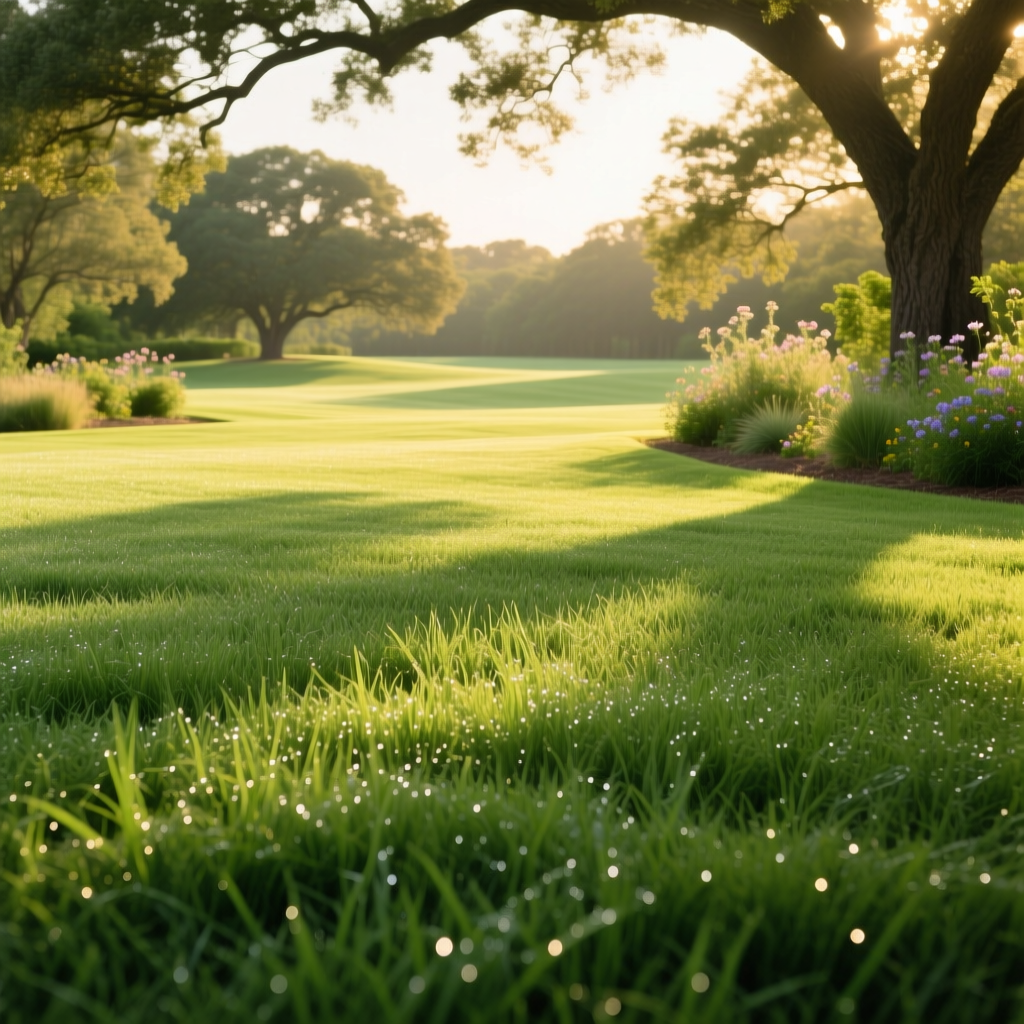
Best Grass Seed for Shade in Texas: Top Varieties & Growing Guide
Lisa ThompsonPublished
Texas is renowned for its sprawling landscapes, intense sunshine, and scorching summers. However, many homeowners across the Lone Star State face a unique and frustrating challenge: establishing a lush, green lawn under the heavy canopy of mature oak, pecan, and elm trees. While the majority of popular Texas turfgrasses thrive in full, blistering sun, shaded areas require a completely different approach. Finding the best grass seed for shade in Texas means navigating a complex intersection of regional climate zones, tree root competition, and the biological limits of turfgrass photosynthesis.
If you are struggling with bare patches, thinning turf, or mossy soil beneath your trees, you are not alone. The key to success lies in selecting the right seed varieties, understanding your specific regional microclimate, and adapting your lawn care routine to accommodate low-light environments. In this comprehensive guide, we will explore the top shade-tolerant grass seeds available to Texas homeowners, break down regional adaptability, and provide actionable maintenance tips to help your shaded lawn thrive. For more general turf information, be sure to explore our complete grass types directory.
Understanding the Texas Shade Dilemma
Before selecting a seed, it is crucial to understand why growing grass in the shade is so difficult, particularly in Texas. All turfgrasses require sunlight to drive photosynthesis, the process by which they produce the energy needed for growth, root development, and disease resistance. When a lawn is shaded by trees or structures, the grass receives significantly less solar energy, resulting in weaker, thinner blades that are highly susceptible to environmental stress.
In Texas, the shade dilemma is compounded by several regional factors:
- Tree Root Competition: Mature Texas trees like Live Oaks and Southern Magnolias have expansive, shallow root systems that aggressively compete with grass for water & nutrients.
- Soil Compaction: The soil beneath large trees is often heavily compacted and devoid of organic matter, making it difficult for delicate grass seedlings to establish deep roots.
- The Warm-Season vs. Cool-Season Conflict: Texas is predominantly a warm-season grass state (favoring Bermuda, Zoysia, and St. Augustine). However, warm-season grasses generally possess very poor shade tolerance. Conversely, cool-season grasses (like Fescues) tolerate shade beautifully but often struggle to survive the extreme heat & humidity of a Texas summer.
Because of these challenges, managing expectations is vital. A shaded lawn will never look as thick or aggressive as a full-sun Bermuda lawn. The goal is to cultivate a resilient, attractive turf that can survive in dappled light while coexisting with your trees.
Top Grass Seed Varieties for Shaded Texas Lawns
When shopping for the best grass seed for shade in Texas, you will quickly notice that the most famous shade-tolerant grass in the state—St. Augustine—is not available as seed. St. Augustine must be established via sod or plugs. However, there are several excellent seed options available that can thrive in shaded Texas environments, provided they are matched to the correct region.
Tall Fescue (The North Texas Champion)
Tall Fescue is widely considered the best grass seed for shade in North Texas, particularly in the Dallas & Fort Worth metroplex. As a cool-season grass, it boasts excellent shade tolerance and features a deep, extensive root system that helps it survive periods of drought and compete with tree roots. Modern turf-type Tall Fescue varieties are bred for finer blades and darker green colors, making them highly attractive. While it requires annual overseeding to maintain its density, it remains the most reliable seeded option for shaded areas in the northern third of the state.
Fine Fescue (The Deep Shade Specialist)
Fine Fescue is actually a collection of several species, including Creeping Red, Chewings, and Hard Fescue. These grasses possess the highest natural shade tolerance of any turfgrass. They feature very fine, needle-like blades and require less water & fertilizer than other varieties. However, Fine Fescue is highly sensitive to heat and foot traffic. In Texas, it is best utilized in deep, cool shade where the grass will not be subjected to heavy use or intense, reflected summer heat. It is often blended with Tall Fescue to improve the overall shade tolerance of the lawn.
Seeded Zoysia (The Warm-Season Compromise)
Zoysia is a premium warm-season grass known for its dense, carpet-like growth and moderate shade tolerance. While most homeowners establish Zoysia via sod, specific varieties (such as Zen or Compadre) are available as seed. Seeded Zoysia is an excellent choice for Central Texas homeowners who want a warm-season grass that can handle partial shade (dappled sunlight for 4-5 hours a day). The primary drawback is that Zoysia seed is expensive, germinates very slowly, and requires meticulous weed control during the establishment phase.
Perennial Ryegrass (The Winter Overseeding Option)
If your primary goal is to maintain a green lawn under trees during the cooler months, Perennial Ryegrass is a fantastic tool. While it will not survive a Texas summer, it is frequently used to overseed dormant warm-season lawns in the fall. Ryegrass germinates rapidly, even in shaded areas, providing a lush, dark green carpet throughout the winter & early spring before fading away as the summer heat returns.
Regional Growing Zones & Adaptability
Texas is massive, spanning multiple USDA Hardiness Zones and distinct climatic regions. A shade grass seed that thrives in the Panhandle will quickly perish in the coastal humidity of the Gulf. Here is how to match your shade seed to your region.
North Texas (Zones 7b - 8a)
In regions like Dallas, Fort Worth, and the Red River Valley, winters are cold enough to support cool-season grasses. Tall Fescue is the undisputed king of shade seed in this region. It can handle the freezing winter temperatures and, with proper watering, can survive the summer heat. Blends containing a mix of Tall Fescue & a small percentage of Fine Fescue are highly recommended for varying light conditions under large tree canopies.
Central Texas & The Hill Country (Zones 8a - 8b)
Austin, San Antonio, and the surrounding Hill Country represent a transitional zone. Summers are brutally hot, and winters are mild. Cool-season grasses struggle to survive the summer here, while warm-season grasses struggle in the shade. In Central Texas, seeded Zoysia is your best bet for partial shade. For areas of deep, dense shade where even Zoysia will fail, homeowners are strongly encouraged to abandon seed and opt for St. Augustine sod, or transition to shade-loving groundcovers like Asian Jasmine or Mondo Grass.
South Texas & The Gulf Coast (Zones 9a - 9b)
In Houston, Corpus Christi, and the Rio Grande Valley, the climate is subtropical, characterized by high heat & extreme humidity. Cool-season grass seeds (Fescues) will rapidly succumb to fungal diseases and heat stress in these zones. Unfortunately, there are no highly shade-tolerant warm-season grasses available as seed that can thrive in the deep shade of South Texas. Homeowners in this region must rely on St. Augustine sod for shaded areas, as the seed market simply does not offer a viable warm-season alternative for heavy shade in subtropical climates.
Essential Maintenance for Shaded Texas Lawns
Planting the right seed is only half the battle. Shaded lawns require a specialized maintenance routine to survive the unique stresses of low light and tree competition. Incorporating these mowing best practices and care routines will drastically improve your lawn's longevity.
Mow Higher & Sharper
Grass in shaded areas needs every possible square inch of leaf blade to capture limited sunlight. Always raise your mower deck to the highest recommended setting for your grass type (typically 3 to 4 inches for Tall Fescue). Additionally, ensure your mower blades are razor-sharp. Dull blades tear the grass, creating ragged edges that invite fungal diseases—a major threat in damp, shaded environments.
Water Deeply but Infrequently
Tree roots are aggressive and will intercept water before it reaches your grass roots. Follow our detailed watering guide to ensure you are delivering enough moisture. Water shaded areas deeply to encourage the grass roots to grow downward, below the shallow feeder roots of the trees. Avoid frequent, light watering, which keeps the surface damp and promotes fungal issues like brown patch or powdery mildew.
Fertilize with Caution
It is a common misconception that shaded grass needs more fertilizer to compensate for the lack of sunlight. In reality, shaded grass grows slower and requires less nitrogen than grass in full sun. Excess nitrogen in the shade forces weak, spindly growth that is highly vulnerable to disease. Apply a slow-release fertilizer at roughly half the rate you would use for your sunny areas, and always follow a localized fertilizing schedule.
Aerate & Manage Tree Canopies
Soil beneath trees becomes heavily compacted from foot traffic and falling debris. Annual core aeration is vital to open up the soil, allowing oxygen, water, and nutrients to reach the grass roots. Furthermore, consider hiring an arborist to perform "crown thinning" or "limbing up" on your trees. Removing select lower branches and thinning the upper canopy allows more dappled sunlight to reach the lawn without harming the tree.
Seed vs. Sod: Pros & Cons for Shade Establishment
While this guide focuses on the best grass seed for shade, it is important to weigh the benefits of seeding against other establishment methods, especially in challenging shaded environments.
| Establishment Method | Pros | Cons | Best Application |
|---|---|---|---|
| Grass Seed | Highly cost-effective; wide variety of cool-season shade blends; develops deep, natural root systems. | Slow establishment; high risk of seed washout or bird predation; requires intense moisture management. | North Texas lawns; repairing bare patches; cool-season shade mixes. |
| Sod | Instant lawn; immediate erosion control; eliminates early weed competition; access to St. Augustine. | Significantly more expensive; heavy labor to install; shallow roots initially. | Central & South Texas; deep shade areas requiring St. Augustine; steep slopes. |
| Plugs | More affordable than sod; allows for gradual spread; excellent for warm-season grasses. | Takes months to fill in; bare soil between plugs invites weeds; requires consistent watering. | Small shaded courtyards; establishing Zoysia or St. Augustine on a budget. |
Frequently Asked Questions
Will grass seed grow in heavy, dense shade in Texas?
No turfgrass seed will thrive in heavy, dense shade (areas receiving less than 3 hours of filtered sunlight per day). Even the most shade-tolerant seeds, like Fine Fescue, require some dappled light to photosynthesize. If your yard features dense, year-round shadow, you are better off replacing the grass with shade-loving groundcovers, mulch, or hardscaping.
What is the best time to plant shade-tolerant grass seed in Texas?
For cool-season shade seeds like Tall Fescue & Fine Fescue, the absolute best time to plant is in the early fall (September to mid-October). This allows the seedlings to establish deep roots during the cool autumn & mild winter months before facing the stress of a Texas summer. Avoid planting cool-season seeds in the spring, as the impending summer heat will kill the young grass before it can mature.
How do tree roots affect shaded grass seed germination?
Tree roots create a hostile environment for grass seed by stealing moisture and nutrients, and by creating a physical barrier in the soil. To improve germination, lay down a thin layer (about 1/2 inch) of high-quality compost or topsoil over the seed bed. This provides the delicate seedlings with a nutrient-rich, loose medium to establish their initial roots before they have to compete with the tree.
Can I mix cool-season shade seeds with warm-season Texas grasses?
Mixing cool-season seeds (like Fescue) with warm-season grasses (like Bermuda) is generally not recommended for a permanent lawn, as they have completely different growth cycles, mowing heights, and watering needs. However, you can use Perennial Ryegrass to temporarily overseed a dormant warm-season lawn in the fall for winter color. The Ryegrass will naturally die off when the warm-season grass wakes up in the spring.
Why is my shaded lawn thinning out despite using the right seed?
If you planted the correct shade-tolerant seed but the lawn is still thinning, the issue is likely environmental rather than genetic. The most common culprits are mowing the grass too short, over-fertilizing (which causes disease in the shade), or the tree canopy growing too thick over the years. Evaluate your mowing height, reduce your nitrogen inputs, and consult an arborist about selectively pruning the tree canopy to allow more ambient light to reach the turf.
