Grass Types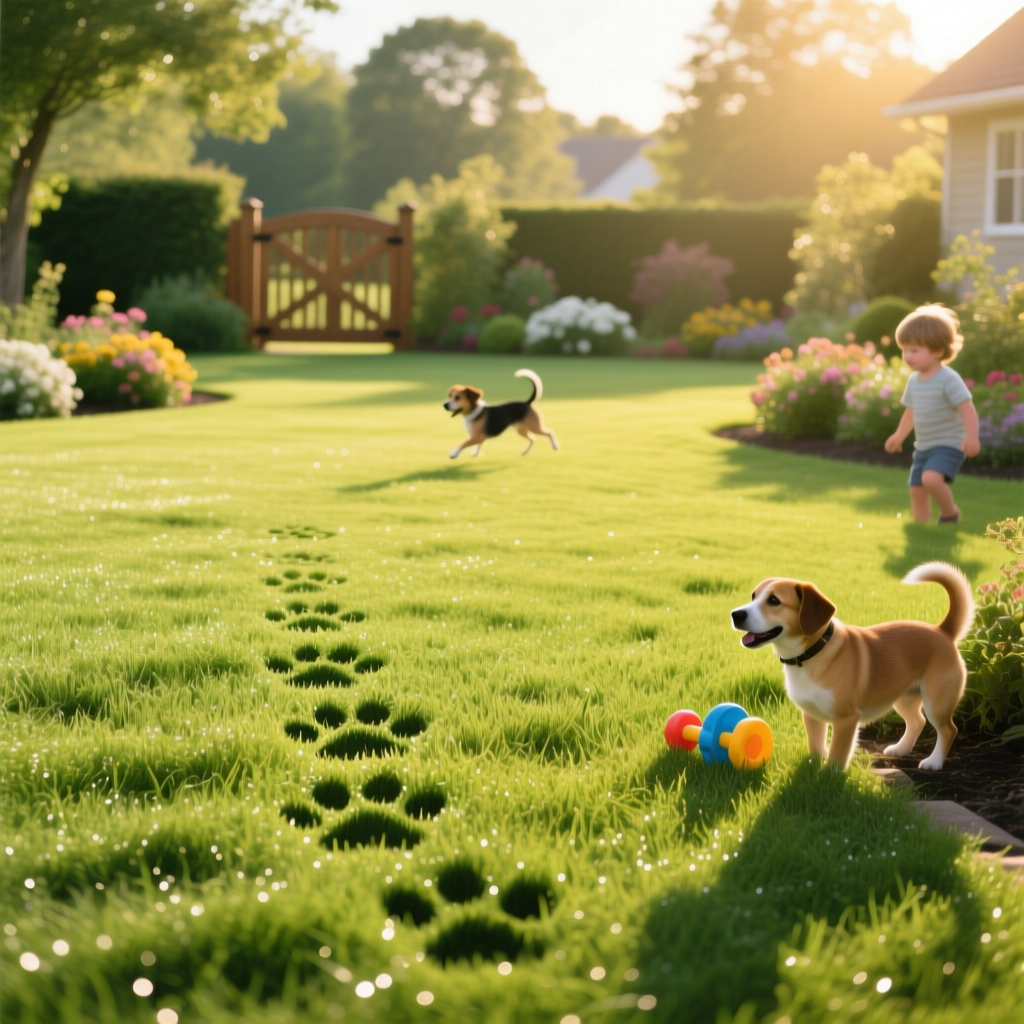
The Best Grass Seed for Dogs & Kids: A Complete
Having a lush, green lawn is a dream for many homeowners, but introducing active children and energetic dogs into the mix can quickly turn that dream into a muddy, patchy nightmare. Heavy foot traffic, digging paws, and pet urine create a hostile environment for delicate turf. Finding the best grass seed for dogs and kids requires balancing durability with softness, ensuring the lawn can withstand a barrage of running, rolling, and playing while remaining safe and comfortable for bare feet and paws.
Not all grass types are created equal. Some varieties shatter under the pressure of a running golden retriever, while others lack the softness required for a toddler tumbling across the yard. In this comprehensive guide, we will explore the top turf varieties, their unique characteristics, and the maintenance strategies required to keep your family-friendly lawn thriving season after season.
Characteristics of the Best Grass for Dogs & Kids
Before selecting a seed blend, it is crucial to understand what makes a grass variety suitable for high-traffic family environments. The ideal family lawn must possess a specific combination of biological traits to survive the daily wear & tear of outdoor play.
Traffic Tolerance vs. Recovery Rate
Traffic tolerance refers to a grass blade's ability to withstand physical crushing without breaking or dying. Grasses with high traffic tolerance have flexible, resilient blades that bounce back after being stepped on. Recovery rate, on the other hand, is the speed at which the grass spreads to fill in bare spots caused by digging or heavy wear. Grasses that spread via rhizomes (underground stems) or stolons (above-ground stems) generally have superior recovery rates compared to bunch-type grasses.
Urine & Wear Resistance
Dog urine is highly concentrated in nitrogen and salts, which can burn grass blades and kill the root system, leaving unsightly brown spots. While no grass is completely immune to urine burn, varieties with deep, extensive root systems and rapid growth habits can dilute and outgrow the damage much faster than shallow-rooted alternatives.
Texture & Safety
For kids and pets, the physical texture of the grass matters. Soft, fine-to-medium bladed grasses are gentle on bare feet and sensitive paw pads. Additionally, family-friendly lawns should be free of sharp seed heads or awns that can become lodged in a dog's ears or paws. Safety also extends to the lawn's natural resistance to weeds, reducing the need for harsh chemical herbicides.
Top Grass Varieties & Their Pros and Cons
Choosing the right seed depends heavily on your local climate and the specific challenges your yard faces. Below are the top contenders for the best grass seed for dogs and kids, broken down by their unique pros & cons.
Kentucky Bluegrass
Kentucky Bluegrass is a cool-season favorite known for its beautiful, dark green color and incredibly soft texture. It spreads via underground rhizomes, making it one of the best self-repairing grasses available for cool climates.
- Pros: Excellent self-repairing capabilities, very soft for bare feet, high traffic tolerance, and forms a dense, lush carpet that resists weed invasion.
- Cons: Slow to germinate from seed, requires full sun, and can go dormant during severe summer droughts if not properly watered.
Perennial Ryegrass
Perennial Ryegrass is the heavyweight champion of fast establishment. While it is a bunchgrass and does not spread via rhizomes, its individual blades are incredibly tough and resilient against heavy foot traffic.
- Pros: Germinates in as little as 5 to 7 days, exceptional wear tolerance, handles partial shade well, and is often used to quickly patch damaged areas.
- Cons: Does not spread to fill in bare spots naturally, meaning high-traffic zones and digging holes will require manual overseeding.
Tall Fescue
Tall Fescue is a versatile, deep-rooted cool-season grass that thrives in the transition zone. Its extensive root system makes it highly drought-tolerant and remarkably resilient against the nitrogen burns caused by dog urine.
- Pros: Deep roots provide excellent drought and urine resistance, highly adaptable to sun & shade, and requires less fertilizer than other cool-season grasses.
- Cons: Like ryegrass, it is a bunchgrass and will not creep into bare spots on its own. Older varieties can have coarse blades, though modern turf-type tall fescues are much softer.
Bermuda Grass
For warm climates, Bermuda Grass is virtually indestructible. It spreads aggressively via both rhizomes and stolons, creating a dense, durable turf that can handle the most aggressive dogs and active sports.
- Pros: Unmatched traffic tolerance, incredibly fast recovery rate from damage, highly drought-tolerant, and thrives in intense heat.
- Cons: Turns brown and goes dormant during winter months, can invade garden beds due to aggressive spreading, and requires frequent mowing during peak summer growth.
Zoysia Grass
Zoysia Grass is a premium warm-season grass that forms a thick, carpet-like lawn. Its dense growth habit naturally chokes out weeds and provides a wonderfully soft surface for children to play on.
- Pros: Extremely dense and soft, excellent weed resistance, good drought tolerance, and requires less frequent mowing than Bermuda grass.
- Cons: Very slow to establish from seed, slow recovery rate if severely damaged by digging, and prone to thatch buildup if not properly maintained.
Growing Zones & Climate Considerations
The best grass seed for dogs and kids in Maine will be vastly different from the ideal seed for a family in Texas. Understanding your growing zone is the most critical step in ensuring your lawn survives the local climate while handling family activities.
Cool-Season Grasses (Northern Zones)
If you live in a region with cold winters and moderate summers, cool-season grasses like Kentucky Bluegrass, Perennial Ryegrass, and Tall Fescue are your best options. These grasses experience their peak growth in the spring and fall. They remain green throughout the summer provided they receive adequate water, and they can withstand freezing winter temperatures without dying off.
Warm-Season Grasses (Southern Zones)
Homeowners in hot, southern climates should look toward warm-season grasses like Bermuda and Zoysia. These varieties thrive in the heat of the summer and are highly drought-tolerant. However, they will naturally turn brown and go dormant when soil temperatures drop in the late fall and winter. Many southern homeowners overseed their warm-season lawns with annual ryegrass in the winter to maintain a green yard for kids and pets year-round.
The Transition Zone
The transition zone, which stretches across the middle of the country, experiences both hot summers and cold winters. This makes it notoriously difficult to grow grass. Tall Fescue is widely considered the best grass seed for dogs and kids in the transition zone because it possesses the heat tolerance of warm-season grasses and the cold tolerance of cool-season varieties.
Maintenance Tips for Family & Pet-Friendly Lawns
Even the most durable grass seed will fail if not maintained correctly. Lawns with dogs and kids require specific care routines to mitigate compaction, urine damage, and soil depletion. For a deeper dive into general lawn health, check out our complete overseeding guide and mowing height guide.
Mow High and Often
One of the biggest mistakes homeowners make is cutting their grass too short. For family lawns, you should mow at the highest recommended setting for your specific grass type (usually between 3 to 4 inches for cool-season grasses). Taller grass blades shade the soil, retain moisture, and develop deeper root systems that are better equipped to handle the stress of running pets and urine burns. Never remove more than one-third of the grass blade in a single mowing session.
Dilute Pet Urine with Water
The nitrogen and salts in dog urine are what cause the dreaded brown spots. While you cannot change your dog's biology, you can mitigate the damage by keeping a watering can or hose nearby. Immediately after your dog urinates, lightly water the area to dilute the nitrogen and wash it down into the soil profile. For existing damage, read our tutorial on fixing dog urine spots.
Aerate and Overseed Annually
Running children and heavy dogs severely compact the soil, squeezing out the oxygen and water that grassroots need to survive. Core aeration pulls small plugs of soil from the ground, relieving compaction and allowing nutrients to reach the root zone. Following aeration, overseeding with your chosen durable grass seed will help fill in any thin areas before weeds have a chance to take over.
Use Pet-Safe Fertilizers
Children and dogs spend hours with their hands and paws directly on the grass, making chemical safety a top priority. Avoid synthetic fertilizers and harsh weed killers that require a lengthy drying period. Instead, opt for organic, pet-safe fertilizers that nourish the soil microbiome without posing a toxicity risk to your family members.
Comparison Table: Best Grass Seed for Dogs & Kids
Use the table below to quickly compare the top family-friendly grass varieties based on their performance metrics.
| Grass Type | Climate Zone | Traffic Tolerance | Recovery Rate | Urine Resistance | Maintenance Level |
|---|---|---|---|---|---|
| Kentucky Bluegrass | Cool-Season | High | Very Fast (Rhizomes) | Moderate | High |
| Perennial Ryegrass | Cool-Season | Very High | Slow (Bunchgrass) | Moderate | Moderate |
| Tall Fescue | Cool/Transition | High | Slow (Bunchgrass) | High | Low to Moderate |
| Bermuda Grass | Warm-Season | Extremely High | Extremely Fast | Moderate | High |
| Zoysia Grass | Warm/Transition | High | Slow | Moderate | Low to Moderate |
Frequently Asked Questions
What grass is most resistant to dog urine?
Tall Fescue is widely considered the most urine-resistant cool-season grass due to its incredibly deep root system and robust blade structure. The deep roots allow the plant to access water and nutrients below the surface layer where urine salts concentrate. In warm climates, Bermuda grass handles urine well simply because its aggressive growth rate allows it to outgrow and recover from nitrogen burns faster than almost any other turfgrass.
Is grass seed safe for dogs and kids?
Yes, the grass seed itself is completely natural and non-toxic to both dogs and children. In fact, many dogs enjoy eating small amounts of fresh grass as a natural source of fiber. However, the danger often lies in the seed coatings or the fertilizers used during the planting process. Always purchase raw, uncoated grass seed or ensure the seed coating is free of toxic fungicides, and wait until the grass is established before applying any lawn treatments.
How long should kids and pets stay off newly seeded lawns?
You should keep children and pets off a newly seeded lawn for at least three to four weeks, or until the new grass has been mowed at least twice. During the germination and early seedling stages, the grassroots are incredibly shallow and fragile. Even light foot traffic from a small dog or a running child can uproot the seedlings, disrupt the soil bed, and ruin the germination process. Use temporary fencing or baby gates to restrict access to seeded areas.
Can I mix grass seeds for a more durable lawn?
Absolutely. In fact, mixing grass seeds is highly recommended for family lawns. A blend of Kentucky Bluegrass and Perennial Ryegrass is a popular cool-season mix. The ryegrass germinates quickly to hold the soil in place and provide immediate traffic tolerance, while the slower-growing Kentucky Bluegrass eventually spreads via rhizomes to create a dense, self-repairing carpet. Mixing varieties also protects your lawn from species-specific diseases and pests.
What is the best low-maintenance grass for families?
If you want a durable lawn without spending every weekend mowing and fertilizing, Tall Fescue is the best low-maintenance cool-season option. It requires less water and fertilizer than Kentucky Bluegrass and naturally resists many common lawn diseases. For warm climates, Zoysia grass is an excellent low-maintenance choice. Its dense growth habit naturally chokes out weeds, and its slow vertical growth rate means you will not have to mow it nearly as often as Bermuda grass.
