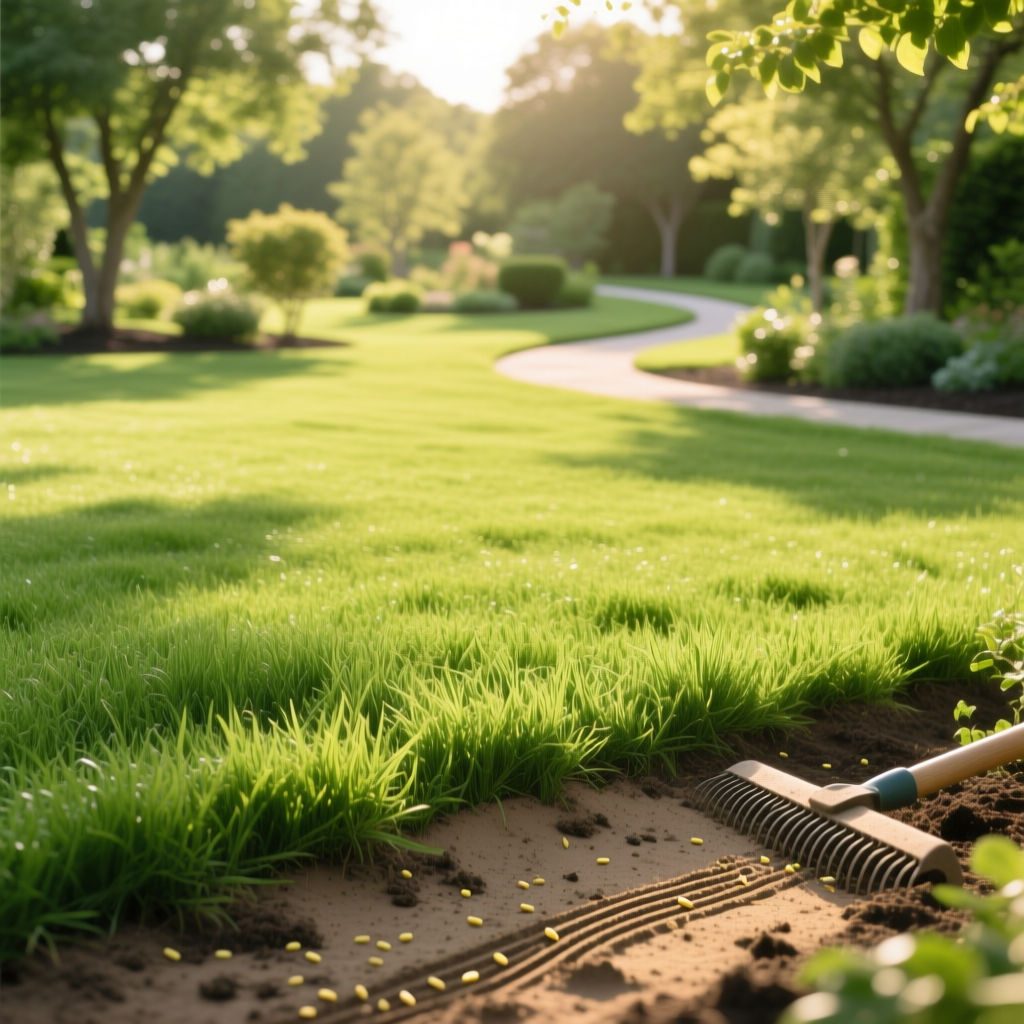
Grass Types
Best Grass Seed for Sunny & Dry Areas: The Ultimate Guide
Sarah ChenPublished
Maintaining a vibrant, lush lawn in regions that experience intense sunlight and minimal rainfall is one of the most common challenges for homeowners. When the summer heat peaks and rain becomes scarce, traditional turfgrasses often wither, turn brown, and succumb to environmental stress. However, cultivating a beautiful yard in arid climates is entirely possible when you select the right drought-tolerant seed. Choosing the best grass seed for sunny, dry areas ensures that your landscape remains resilient, green, and healthy even under the harshest conditions.
In this comprehensive guide, we will explore the top-performing grass varieties engineered by nature to thrive in full sun and low-water environments. Whether you are establishing a new lawn from scratch or overseeding an existing patchy yard, understanding the unique characteristics, growing zones, and maintenance requirements of these resilient grasses is the first step toward a stunning, water-wise landscape.
Top Drought-Tolerant Grass Types for Full Sun
Not all turfgrasses are created equal when it comes to surviving prolonged periods of heat and drought. The following varieties possess deep root systems, specialized leaf structures, and natural dormancy mechanisms that allow them to flourish in sun-baked environments.
1. Bermudagrass
Bermudagrass is widely regarded as one of the most resilient warm-season grasses available. Known for its aggressive growth habit and exceptional heat tolerance, this grass thrives in full sun and can survive extended dry spells by entering a state of dormancy. Its deep root system can reach several feet into the soil, allowing it to access moisture that shallow-rooted grasses simply cannot reach. Bermudagrass is highly traffic-tolerant, making it an excellent choice for active families and pets. However, its aggressive nature means it requires regular edging to keep it out of flower beds and walkways.
2. Zoysiagrass
If you desire a dense, carpet-like lawn that feels soft underfoot, Zoysiagrass is a premier choice. This warm-season grass boasts incredible drought resistance and thrives in hot, sunny climates. Zoysia develops a thick turf that naturally chokes out weeds, reducing the need for chemical herbicides. While it is slower to establish from seed compared to other varieties, its long-term resilience and low water requirements make it a favorite for water-wise landscaping. Zoysia also offers slightly better shade tolerance than Bermudagrass, making it versatile for yards with scattered tree cover.
3. Buffalograss
Native to the Great Plains, Buffalograss is the ultimate eco-friendly option for arid, sunny regions. This warm-season grass requires a fraction of the water needed by traditional turfgrasses and thrives in poor, heavy clay soils where other grasses fail. Buffalograss has a fine texture and a soft, blue-green hue that adds a natural, meadow-like aesthetic to your landscape. Because it grows relatively slowly, it requires less frequent mowing, saving you time and reducing emissions from gas-powered mowers. It is important to note that Buffalograss does not tolerate heavy foot traffic, so it is best suited for low-use ornamental lawns.
4. Tall Fescue
For homeowners in the transition zone or cooler arid regions, Tall Fescue is the best cool-season option for sunny, dry areas. Unlike other cool-season grasses that wither in the heat, modern turf-type tall fescue varieties feature remarkably deep root systems that draw moisture from deep within the soil profile. It maintains its green color longer during dry spells and recovers quickly once watered. Tall fescue grows in bunches rather than spreading via stolons or rhizomes, meaning it requires occasional overseeding to maintain a thick, uniform appearance.
5. Bahiagrass
Bahiagrass is a rugged, low-maintenance warm-season grass that excels in sandy, well-draining soils commonly found in coastal and southern arid regions. It is highly resistant to drought, heat, and even poor soil fertility. Bahiagrass is easily identifiable by its distinctive Y-shaped seed heads and coarse texture. While it may not produce the manicured, golf-course aesthetic of Zoysia, its sheer survival instinct and minimal care requirements make it a practical choice for large, sunny properties where irrigation is limited or unavailable.
Understanding Growing Zones & Climate Compatibility
Selecting the best grass seed for sunny, dry areas requires a solid understanding of your local climate and USDA hardiness zone. Grasses are broadly categorized into warm-season and cool-season varieties, and planting the wrong type for your region will result in a struggling lawn regardless of its inherent drought tolerance.
Warm-Season Grasses: Varieties like Bermuda, Zoysia, Buffalo, and Bahia thrive in the southern and southwestern United States, where summers are blistering and winters are mild. These grasses grow most actively when temperatures are between 80°F and 95°F. During the winter months, they naturally enter dormancy and turn brown, which is a normal survival mechanism rather than a sign of death.
Cool-Season Grasses: Tall Fescue is a prime example of a cool-season grass adapted to dry conditions. These grasses thrive in regions with distinct seasons, growing vigorously in the cooler temperatures of spring and fall. In extremely hot, dry summers, cool-season grasses may experience stress and require supplemental watering to prevent permanent damage.
The Transition Zone: This central band of the country experiences both freezing winters and scorching summers, making lawn care notoriously difficult. In these areas, turf-type Tall Fescue is often the most successful choice, though some homeowners opt for a mix of warm and cool-season seeds to ensure year-round coverage. Always consult local extension offices or regional planting maps to verify which drought-tolerant species are best suited to your specific microclimate.
Essential Maintenance for Sunny & Dry Lawns
Even the most drought-resistant grass seed requires proper care to establish a robust root system and maintain its vigor. Implementing the right cultural practices will maximize your lawn's ability to withstand environmental stress.
Strategic Watering Techniques
The secret to a drought-tolerant lawn lies in how you water it. Shallow, frequent watering encourages roots to stay near the surface, where they are vulnerable to rapid evaporation. Instead, practice deep and infrequent watering. By applying a substantial amount of water less often, you force the grass roots to grow deep into the soil in search of moisture. For a detailed breakdown of irrigation schedules and smart sprinkler usage, refer to our comprehensive watering guide. Remember that newly seeded lawns require consistent, light moisture until germination occurs, after which you should gradually transition to a deep-watering schedule.
Optimal Mowing Heights
Mowing your lawn too short is one of the most detrimental practices in arid climates. Scalping the grass exposes the soil to direct sunlight, rapidly increasing moisture evaporation and stressing the root system. Follow the one-third rule: never remove more than one-third of the grass blade in a single mowing session. Keeping your drought-tolerant grass slightly taller (typically between 2.5 to 4 inches, depending on the species) allows the blades to shade the soil, retaining crucial moisture and suppressing weed germination. Check out our expert mowing tips to ensure you are using the correct blade height and sharp equipment.
Soil Amendment & Aeration
Drought resistance is heavily dependent on soil health. Compacted, nutrient-poor soil cannot hold water effectively, causing runoff and depriving roots of hydration. Annual core aeration alleviates soil compaction, allowing water, oxygen, and nutrients to penetrate deeply. Furthermore, incorporating organic matter like compost improves the soil's water-retention capabilities. Proper soil preparation before seeding is critical, but ongoing soil care is equally important. Pair aeration with a balanced, slow-release fertilizer regimen as outlined in our fertilizing guide to build a lawn that is naturally equipped to fight off drought stress.
Pros & Cons of Drought-Resistant Grass Varieties
While planting drought-tolerant grass seed offers immense benefits for water conservation and landscape resilience, it is important to weigh the advantages against potential drawbacks to ensure you choose the right fit for your lifestyle.
Pros:
- Water Conservation: Significantly reduces your outdoor water usage, lowering utility bills and supporting local environmental conservation efforts.
- Heat Resilience: Maintains structural integrity and avoids permanent death during extreme summer heatwaves and water restrictions.
- Lower Maintenance: Many native and drought-adapted grasses grow slower, requiring less frequent mowing and fewer chemical inputs.
- Weed Suppression: Dense, deep-rooted varieties like Zoysia naturally outcompete invasive weeds, reducing the need for weed control treatments.
Cons:
- Winter Dormancy: Warm-season drought-tolerant grasses will turn brown during cooler winter months, which some homeowners find aesthetically unpleasing.
- Slower Establishment: Seeds like Zoysia and Buffalograss can take several weeks to germinate and months to fully establish, requiring patience and careful weed management during the early stages.
- Aggressive Spreading: Varieties like Bermudagrass can invade neighboring garden beds and hardscapes, requiring regular edging and physical barriers.
- Texture Variations: Some highly resilient grasses, such as Bahiagrass, have a coarse texture and produce prominent seed heads that may not suit formal landscape designs.
Comparison Table: Best Grass Seeds for Dry Climates
To help you make an informed decision, we have compiled a quick-reference comparison table detailing the core attributes of the top grass seeds for sunny, dry areas.
| Grass Type | Season | Drought Tolerance | Sun Requirement | Maintenance Level | Best For |
|---|---|---|---|---|---|
| Bermudagrass | Warm | Excellent | Full Sun | High | High-traffic yards, sports fields |
| Zoysiagrass | Warm | Very Good | Full to Partial Sun | Medium | Dense, carpet-like aesthetic lawns |
| Buffalograss | Warm | Exceptional | Full Sun | Low | Eco-friendly, low-use ornamental lawns |
| Tall Fescue | Cool | Good | Full to Partial Sun | Medium | Transition zones, cooler arid regions |
| Bahiagrass | Warm | Very Good | Full Sun | Low | Sandy soils, large rural properties |
Frequently Asked Questions
How often should I water my drought-tolerant lawn?
Once established, a drought-tolerant lawn typically requires watering only once or twice a week, depending on local temperatures and soil type. The goal is to apply about one inch of water per session to encourage deep root growth. During periods of extreme drought or municipal water restrictions, these grasses can often survive on even less, though they may enter a dormant, brown state until rainfall resumes. Always water early in the morning to minimize evaporation losses.
Can I mix different grass seeds for better drought resistance?
Mixing grass seeds can be beneficial, but it must be done carefully. You should never mix warm-season and cool-season grasses, as their growth cycles and maintenance requirements clash. However, blending different cultivars of the same species (such as mixing multiple varieties of turf-type Tall Fescue) is highly recommended. This genetic diversity ensures that if one cultivar is susceptible to a specific disease or pest, the rest of your lawn will remain healthy and resilient.
What is the best time to plant grass seed in dry, sunny regions?
The optimal planting time depends entirely on the grass type you choose. Warm-season grasses like Bermuda, Zoysia, and Buffalo should be planted in late spring to early summer when soil temperatures consistently exceed 65°F. This allows the seedlings to establish deeply before the peak heat of late summer. Cool-season grasses like Tall Fescue are best planted in early fall, giving the roots ample time to develop during the cool, moist autumn months before facing the stress of the following summer.
How do I prepare my soil for drought-tolerant grass seed?
Proper soil preparation is non-negotiable for success in arid climates. Begin by testing your soil to determine its pH and nutrient profile. Till the top four to six inches of soil to break up compaction, and incorporate two to three inches of organic compost to improve moisture retention. Rake the area smooth, removing all rocks and debris, before spreading your seed. Applying a thin layer of straw mulch over the newly seeded area will help trap soil moisture and protect the seeds from being washed away or eaten by birds.
Will drought-tolerant grass stay green during a severe drought?
It depends on the severity of the drought and the specific grass species. Buffalograss and Bermudagrass possess incredible survival mechanisms that allow them to go completely dormant and turn brown during severe water deficits, yet they will rapidly green up once water is reintroduced. Tall Fescue will attempt to stay green longer but may suffer permanent damage if deprived of water for too long. If maintaining a year-round green aesthetic is your top priority, you may need to provide supplemental irrigation during extreme dry spells, even with drought-resistant varieties.