
Landscaping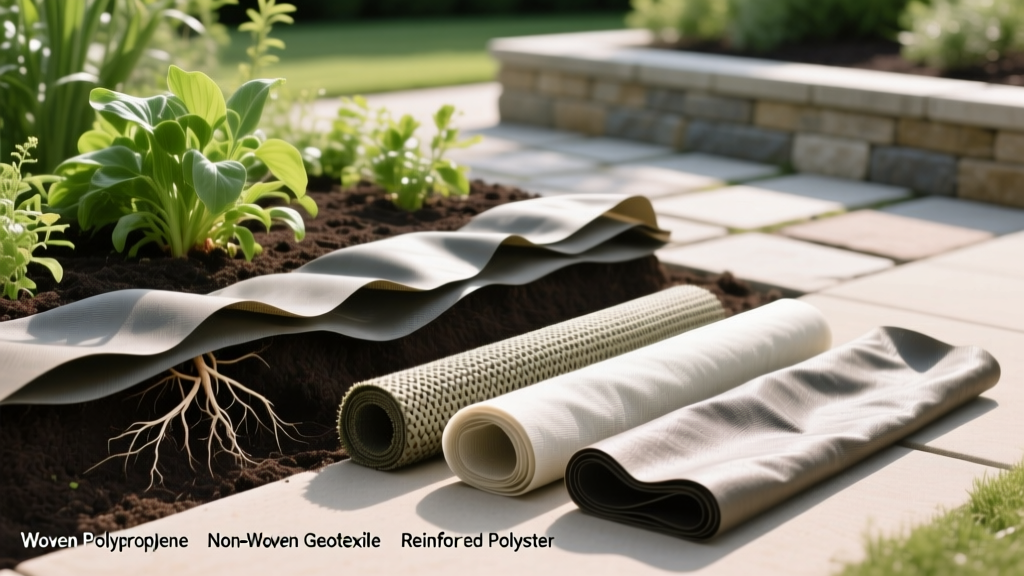
Best Landscape Fabric Weed Barrier Reviews (2026)
The Role of Weed Barriers in Modern Landscaping
Whether you are installing a new gravel pathway, building a raised garden bed, or refreshing your foundation plantings, weed control is a critical component of long-term landscape maintenance. Landscape fabric, often referred to as weed barrier, acts as a physical shield that blocks sunlight from reaching weed seeds while allowing water and nutrients to penetrate the soil. However, not all fabrics are created equal. Choosing the wrong material can lead to poor drainage, soil compaction, and a frustrating cycle of tearing and replacing degraded fabric.
In this comprehensive product review and comparison guide, we evaluate the top landscape fabrics on the market. We break down their material composition, permeability rates, UV resistance, and ideal use cases to help you make an informed purchasing decision for your next hardscaping or garden bed project.
How We Tested and Rated Weed Barriers
Our evaluation process focuses on the practical realities of landscaping. We assess each product based on the following criteria:
- Tensile Strength and Puncture Resistance: Can it withstand sharp gravel, heavy rocks, and foot traffic during installation?
- Water Permeability: Does it allow adequate drainage to prevent water pooling and soil erosion?
- UV Degradation: How well does the material hold up if exposed to direct sunlight before being covered by mulch or stone?
- Ease of Installation: Is the fabric easy to unroll, cut, and shape around existing plants and curved bed edges?
Top Landscape Fabric Reviews
1. DeWitt Pro 5 Weed Barrier (Best Overall for Hardscaping)
The DeWitt Pro 5 is a heavy-duty, woven polypropylene fabric that has long been the industry standard for professional landscapers. Weighing in at 5 ounces per square yard, it offers exceptional puncture resistance, making it the ideal choice for high-traffic pathways, French drains, and heavy gravel installations. The woven design allows water to pass through efficiently while blocking 99% of sunlight. While it is slightly more expensive than budget options, its 20-year limited warranty and rugged durability justify the cost for permanent hardscaping projects. Expect to pay approximately $0.22 per square foot.
2. ECOgardener Premium 5oz Pro (Best for Permeability and Drainage)
ECOgardener has gained massive popularity among DIYers and professional gardeners alike for its excellent balance of durability and eco-conscious design. This 5-ounce woven fabric features a needle-punched texture that promotes superior water flow and soil aeration compared to tightly woven alternatives. It is highly effective in garden beds where moisture retention and drainage are equally important. The fabric is treated for UV resistance, giving you a generous window of time to lay it down and cover it with mulch. At roughly $0.16 per square foot, it provides outstanding value for large planting beds.
3. GardenMate 3x50ft Woven Fabric (Best Budget Option)
If you are tackling a massive area on a strict budget, the GardenMate 3x50ft woven weed control fabric is a reliable workhorse. At 3.2 ounces per square yard, it is lighter than the DeWitt or ECOgardener options, meaning it is slightly more susceptible to tearing under sharp, heavy river rock. However, for standard bark mulch applications and vegetable garden pathways, it performs admirably. The integrated green guide lines make spacing and cutting incredibly easy. Priced at around $0.11 per square foot, it is the most cost-effective solution for expansive, low-traffic weed control.
4. Scotts Pro Weed Barrier (Best for Curved Garden Beds)
Unlike the woven polypropylene options above, the Scotts Pro Weed Barrier utilizes a spunbond, non-woven fabric design. This gives it a softer, more flexible texture that is exceptionally easy to manipulate around tight curves, tree rings, and complex foundation plantings. While non-woven fabrics generally have lower puncture resistance and can clog with fine silt over time, Scotts has engineered this product to maintain decent permeability. It is best used exclusively under organic mulches in ornamental beds rather than under heavy gravel. Cost averages $0.19 per square foot.
Comparison Chart: Top Weed Control Fabrics
| Product | Material Type | Weight/Thickness | Water Permeability | Best Use Case | Approx. Cost/Sq Ft |
|---|---|---|---|---|---|
| DeWitt Pro 5 | Woven Polypropylene | 5.0 oz | High | Gravel paths, French drains, heavy hardscaping | $0.22 |
| ECOgardener Premium | Woven, Needle-Punched | 5.0 oz | Very High | Mixed garden beds, drainage-heavy areas | $0.16 |
| GardenMate 3x50 | Woven Polypropylene | 3.2 oz | Moderate-High | Large mulch beds, budget pathways | $0.11 |
| Scotts Pro Barrier | Non-Woven Spunbond | 3.0 oz | Moderate | Curved ornamental beds, tree rings | $0.19 |
Buying Guide: Choosing the Right Landscape Fabric
Woven vs. Non-Woven vs. Spunbond
Understanding the manufacturing process of landscape fabric is crucial for matching the product to your project. Woven fabrics are created by weaving polypropylene threads together, resulting in a highly durable, grid-like material that resists tearing and supports heavy loads like gravel. Non-woven or spunbond fabrics are made by bonding synthetic fibers together using heat or chemicals, resulting in a felt-like material. While non-woven fabrics are easier to cut and shape, they are more prone to clogging and tearing under heavy aggregate.
The Soil Health Debate: When NOT to Use Fabric
While weed barriers are excellent for hardscaping, horticultural experts warn against using them in permanent, planted garden beds. According to the University of Minnesota Extension, landscape fabric can eventually impede the natural exchange of oxygen and water between the soil and the atmosphere, leading to compromised root health and soil compaction over time. Furthermore, as organic mulch breaks down on top of the fabric, it creates a perfect medium for airborne weed seeds to germinate, rendering the barrier useless.
Dr. Linda Chalker-Scott, a prominent horticulturist at Washington State University Extension, notes that landscape fabrics disrupt soil microbial activity and earthworm populations, which are vital for natural soil aeration and nutrient cycling. For actively planted perennial beds, a thick layer of organic mulch or cardboard sheet-mulching is often recommended over synthetic fabrics. Reserve synthetic weed barriers primarily for paths, patios, and areas covered by inorganic mulches like river rock or pea gravel.
Step-by-Step Installation Guide
Proper installation is just as important as selecting the right product. Follow these steps to ensure maximum longevity and weed suppression:
- Prepare the Soil: Remove all existing weeds, roots, and sharp rocks. Rake the area completely smooth. Apply a pre-emergent herbicide or a layer of cardboard for stubborn perennial weeds.
- Unroll and Acclimate: Lay the fabric out and let it sit in the sun for an hour or two. This relaxes the material, making it easier to flatten and cut.
- Overlap the Seams: When laying multiple strips, overlap the edges by at least 6 to 8 inches to prevent weeds from finding the gaps.
- Cut X-Slits for Plants: Never cut large holes for existing plants. Instead, cut an 'X' and fold the flaps under. This minimizes the exposed soil where weeds can take root.
- Secure with Pins: Use 6-inch galvanized steel landscape pins. Place them every 3 feet along the seams and every 4 feet in the center of the fabric. According to the University of California Agriculture and Natural Resources, securing the fabric tightly prevents wind uplift and stops weeds from creeping underneath.
- Apply Cover Material: Immediately cover the fabric with 2 to 3 inches of mulch, bark, or gravel. Landscape fabric degrades rapidly when exposed to direct UV light; covering it protects your investment and improves the aesthetic of your landscape.
Final Verdict
For heavy-duty hardscaping, gravel driveways, and French drains, the DeWitt Pro 5 remains the undisputed champion due to its unmatched puncture resistance and longevity. For gardeners prioritizing soil drainage and ease of use under organic mulch, the ECOgardener Premium offers the best balance of price and performance. Remember to use weed barriers strategically—relying on them under inorganic stone and gravel will yield the best, most maintenance-free results for your landscape design.

