Lawn Care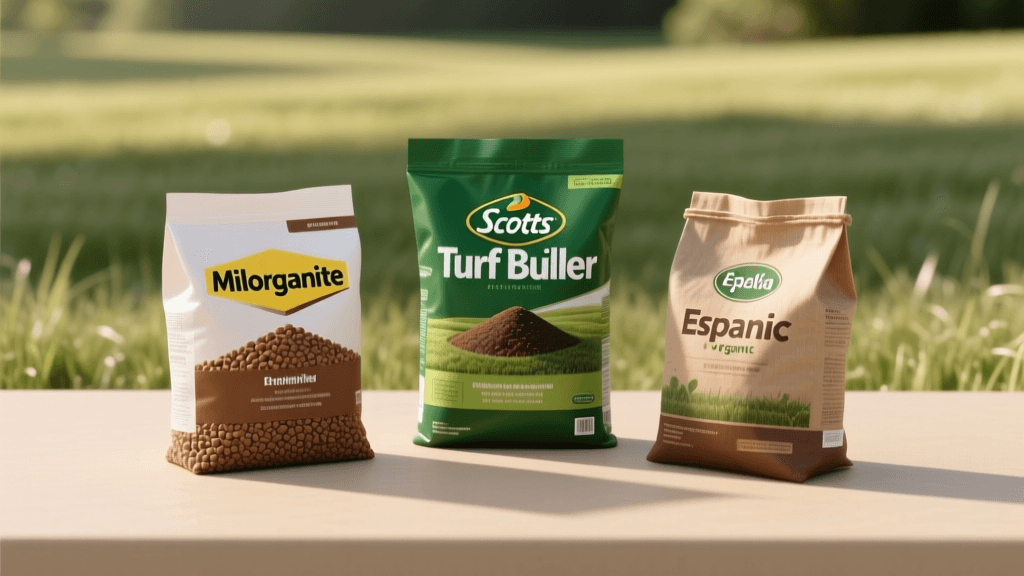
Milorganite vs Scotts vs Espoma: Best Lawn Fertilizer Review
The Great Fertilizer Debate: Organic vs. Synthetic
Choosing the right granular fertilizer is one of the most consequential decisions you will make for your lawn's health. The market is flooded with options, but three brands consistently dominate the shelves and the conversation among turf professionals and weekend warriors alike: Milorganite, Scotts Turf Builder, and Espoma Organic. But which one actually delivers the best results for your specific yard? According to turfgrass researchers at the University of Minnesota Extension, understanding the difference between slow-release organic nitrogen and fast-acting synthetic nitrogen is the key to a sustainable, vibrant lawn.
In this comprehensive product review and comparison, we break down the NPK ratios, cost-efficiency, application requirements, and long-term soil impacts of these three industry giants to help you make an informed decision for your lawn care routine.
Contenders at a Glance: Quick Specs
| Feature | Milorganite | Scotts Turf Builder | Espoma Organic Lawn Food |
|---|---|---|---|
| NPK Ratio | 6-4-0 | 32-0-4 | 9-0-0 |
| Type | Organic (Biosolid) | Synthetic | Organic (Plant/Feather Meal) |
| Nitrogen Release | Slow (8-10 weeks) | Fast to Moderate | Slow (8-12 weeks) |
| Coverage | 2,500 sq ft (36 lb bag) | 15,000 sq ft (46 lb bag) | 5,000 sq ft (30 lb bag) |
| Avg. Cost per 1k sq ft | $1.15 | $0.85 | $1.80 |
Milorganite: The Slow-Release Organic Workhorse
Milorganite has been a staple in lawn care for nearly a century. Produced by the Milwaukee Metropolitan Sewerage District, it is a biosolid-based organic fertilizer with an NPK of 6-4-0. What sets Milorganite apart is its high iron content (4%), which promotes a deep, rich green color without forcing excessive, rapid blade growth that requires constant mowing.
Pros and Cons
- Pros: Non-burning formula (no need to water in immediately), excellent for building soil microbial activity, contains essential micronutrients like iron and calcium, and safe for use near waterways.
- Pros: Provides a steady, slow-release feeding for up to 10 weeks.
- Cons: Distinct, unpleasant odor upon application that lasts for a few days, lower nitrogen concentration requires heavier application rates, and it can occasionally attract wildlife like deer or armadillos digging for grubs.
Pro Tip: Because Milorganite contains non-staining iron, it is highly recommended for lawns suffering from chlorosis (yellowing due to iron deficiency), particularly in high-pH soils.
Scotts Turf Builder: The Fast-Acting Synthetic Standard
Scotts Turf Builder (specifically the standard 32-0-4 formula) is the undisputed heavyweight in the synthetic fertilizer aisle. Utilizing Scotts' proprietary All-in-One Particle technology, it ensures an even distribution of nutrients across your lawn. The high nitrogen content provides a rapid, visible greening effect within days of application.
Pros and Cons
- Pros: Immediate results, highly cost-effective for large properties, easy to find at any big-box hardware store, and excellent for giving cool-season grasses a quick push in early spring or fall.
- Cons: High risk of fertilizer burn if over-applied or applied to drought-stressed lawns, contributes to soil salinity over time, lacks organic matter to feed soil microbes, and requires immediate watering to activate and prevent grass burn.
Espoma Organic Lawn Food: The Eco-Friendly Choice
Espoma is a premium organic brand favored by environmentally conscious gardeners. Their All Season Lawn Food (9-0-0) relies on feather meal, pasteurized poultry manure, and their signature Bio-tone microbes. It is designed not just to feed the grass, but to actively inoculate the soil with beneficial bacteria and mycorrhizae.
Pros and Cons
- Pros: 100% natural and safe for pets and children immediately after application, improves long-term soil structure, no harsh chemical salts, and the Bio-tone microbes help break down thatch.
- Cons: Highest cost per square foot among the three, results take longer to become visible (up to 3 weeks), and the bulky bag sizes can make storage and handling cumbersome.
Head-to-Head Feature Comparison
| Metric | Milorganite | Scotts Turf Builder | Espoma Organic |
|---|---|---|---|
| Burn Risk | Very Low | High | None |
| Pet/Child Safety | Safe (but attracts digging) | Wait until watered/dry | Immediately Safe |
| Soil Building | Moderate | None (Depletes over time) | High (Adds microbes) |
| Odor | Strong (Sewage/Manure) | Neutral (Chemical) | Mild (Earth/Manure) |
| Best Season | Summer / Early Fall | Spring / Late Fall | Anytime during growing season |
Environmental Impact and Soil Health
The long-term health of your lawn is inextricably linked to the biological activity in your soil. Synthetic fertilizers like Scotts Turf Builder provide a quick fix but act like an energy drink for your grass. Over-reliance on synthetic salts can degrade soil structure, reduce earthworm populations, and lead to nutrient runoff. The Penn State Extension emphasizes that while synthetic nitrogen is efficient, integrating organic matter is crucial for long-term turf resilience and drought tolerance.
Conversely, Milorganite and Espoma feed the soil food web. As microbes break down the organic nitrogen, they release it slowly in tandem with the grass's natural growth cycles and soil temperatures. This drastically reduces the risk of nitrogen leaching into local watersheds, a major concern highlighted by environmental protection agencies nationwide.
Application Best Practices and Timing
Regardless of the product you choose, proper application is vital. The Michigan State University Extension recommends always calibrating your spreader and performing a soil test before applying any amendments. Here is how to handle each specific product:
- Milorganite: Apply using a rotary spreader. Because it is non-burning, you can apply it to dry lawns in the heat of summer without fear of scorching the grass. Water it in lightly only if you want to wash the dust off the grass blades to prevent tracking it into your home.
- Scotts Turf Builder: Apply to a dry lawn to ensure the granules stick to the soil rather than the grass blades. You must water your lawn immediately after application (about 1/4 inch of water) to dissolve the salts and move them into the root zone. Avoid applying during extreme heat waves or droughts.
- Espoma Organic: Apply evenly and water deeply. The Bio-tone microbes require moisture to activate and migrate into the soil profile. It is highly effective when applied immediately after core aeration, as the granules will fall directly into the aeration holes and reach the root zone faster.
Final Verdict: Which Should You Choose?
Choose Scotts Turf Builder if: You have a large property, are on a strict budget, and need an immediate visual boost for an upcoming event or home sale. It is best used sparingly as part of a broader lawn care program rather than the sole nutrient source.
Choose Milorganite if: You want a lush, dark green lawn during the stressful heat of summer without the risk of burning your turf. It is also the best choice for clay-heavy soils that benefit from the added organic matter and iron.
Choose Espoma Organic if: You are committed to regenerative lawn care, have pets or children who play on the grass daily, and are willing to pay a premium to build a thriving, biologically active soil ecosystem that will naturally resist disease and drought over time.
Ultimately, the best lawn care routines often combine these approaches. Many professionals use a synthetic push in the early spring, followed by organic feedings in the summer and fall to maintain soil health and sustain steady growth.