Home & Garden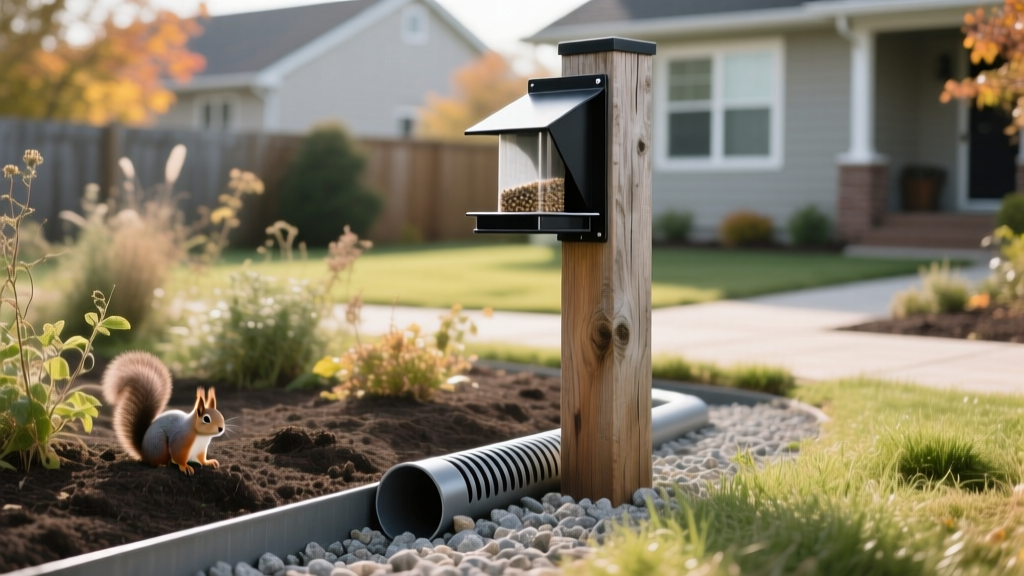
Install Bird Feeder Pole & French Drain: 2026 Guide
Robert HayesPublished
The 2026 Landscaping Challenge: Soggy Yards and Leaning Bird Feeders
As weather patterns shift in 2026, homeowners across the country are experiencing heavier, more concentrated spring thaws and intense autumn downpours. For backyard bird enthusiasts, this creates a frustrating and unsanitary problem: the dreaded mud pit beneath the bird feeder station. When you invest in a premium bird feeder station with a pole mount and squirrel baffle, the last thing you want is for the heavy steel pole to lean, sink, or create a rotting sludge of wet seed that attracts rodents and spreads avian diseases. Furthermore, a splattered squirrel baffle loses its aesthetic appeal and fails to function properly when mud cakes its underside.
The ultimate solution for a pristine, stable feeding zone? Combining your bird feeder installation with a targeted French drain installation. By integrating a subsurface drainage system directly beneath and around your pole mount, you ensure structural stability, protect your lawn from erosion, and keep the ground beneath the squirrel baffle dry and clean. According to guidelines from the Cornell Lab of Ornithology, keeping the feeding area dry and free of decomposing seed is one of the most critical steps in preventing salmonella and conjunctivitis outbreaks among wild bird populations. In this comprehensive 2026 guide, we will walk you through the exact steps to marry hardscaping drainage techniques with avian-friendly garden setups.
Why Combine a French Drain with a Bird Feeder Pole Mount?
Most DIYers simply dig a small hole, pour a bag of quick-set concrete, and mount their bird feeder pole. In poorly draining soils (like heavy clay), this creates a 'bathtub effect.' Water pools around the concrete collar, leading to frost heave in the winter and a soggy, sinking base in the spring. A French drain installation intercepts this subsurface water and channels it away from the feeding station. This provides three major benefits:
- Structural Integrity: Prevents the heavy, seed-laden pole mount from leaning or toppling during 2026's high-wind storms.
- Avian Health: Keeps dropped sunflower seeds and suet crumbs from germinating or rotting in stagnant mud, deterring pests and bacteria.
- Baffle Maintenance: Eliminates the 'splash zone' effect, keeping your polycarbonate dome squirrel baffle crystal clear and fully functional.
Selecting Your 2026 Bird Feeder Station and Squirrel Baffle
Before breaking ground on your French drain, you need to select the right hardware. The 2026 market favors modular, weather-resistant steel systems that can withstand high moisture environments without rusting. Look for a pole mount with a minimum diameter of 1 inch, constructed from powder-coated galvanized steel. For the squirrel baffle, an 18-inch to 22-inch polycarbonate dome is the gold standard. Polycarbonate will not yellow under UV exposure and sheds rainwater efficiently, directing droplets away from the seed trays below. Organizations like the National Audubon Society consistently recommend dome-style baffles because they double as weather shields, keeping the seed dry during driving rains.
Step-by-Step French Drain and Pole Mount Installation
Integrating a drainage system with a vertical pole mount requires a specific technique known as the 'Gravel-Collar Method.' Unlike solid concrete, which traps water, a gravel collar provides a stable, permeable anchor that works in tandem with the French drain.
Step 1: Mapping the Trench and Pole Location
Choose a location for your bird feeder station that is at least 10 feet away from trees, fences, or patio furniture to ensure the squirrel baffle remains effective. Once the pole location is marked with spray paint, map out a trench that runs from the pole base to a designated drainage exit point (such as a dry well, storm drain, or lower-elevation garden bed). The trench should be 12 inches wide and 18 inches deep.
Step 2: Digging and Establishing the Slope
Using a trenching shovel, dig your 18-inch trench. The most critical element of any French drain installation is the slope. You must maintain a minimum drop of 1 inch for every 8 feet of trench length. In 2026, affordable laser levels and digital slope meters make this process foolproof. Ensure the trench bed is compacted using a hand tamper before laying any materials.
Step 3: Laying the Geotextile Fabric and Pipe
Line the trench with a high-quality, non-woven geotextile landscape fabric. Leave enough excess fabric on the sides to completely wrap over the top of the gravel later. Next, lay down a 4-inch perforated SDR 35 PVC pipe. While corrugated black pipe was popular in the past, SDR 35 PVC is the 2026 standard for residential drainage due to its superior crush resistance and smooth interior walls, which prevent sediment buildup. Place the pipe with the perforations facing downward to allow water to wick up from the saturated soil bed into the pipe.
Step 4: The Gravel-Collar Pole Mount Anchor
At the exact location of your bird feeder pole mount, widen the trench slightly to create a 24-inch by 24-inch basin. Fill the bottom 6 inches with 3/4-inch washed drainage rock. Place your steel pole mount base or ground spike into the center. Instead of pouring concrete, backfill the basin with more washed drainage rock, tamping it down in 3-inch layers. This creates a massive, heavy, permeable anchor that will not shift, while allowing surface water to instantly percolate down into the French drain pipe below. The National Wildlife Federation frequently highlights permeable hardscaping techniques as a vital way to reduce backyard runoff and protect local watersheds.
Step 5: Backfilling and Baffle Placement
Wrap the excess landscape fabric over the top of the gravel and pipe, creating a 'burrito' effect that prevents topsoil from clogging the drain. Cover the trench with 2-3 inches of topsoil and sod. Finally, attach your pole sections. The squirrel baffle must be mounted exactly 5 feet off the ground. This specific height prevents squirrels from jumping over the dome while allowing you easy access for cleaning and seed refilling without bending over.
2026 Material Cost & Specification Chart
Budgeting for a combined drainage and bird feeding project is highly manageable. Below is the current 2026 pricing and specification breakdown for a standard 20-foot run.
| Material | 2026 Specification | Estimated Cost | Purpose |
|---|---|---|---|
| SDR 35 PVC Pipe | 4-inch perforated | $1.50 / linear ft | Superior crush-resistant drainage |
| Washed Drainage Rock | 3/4-inch gravel | $65 / ton | Prevents clogging, anchors pole base |
| Landscape Fabric | Non-woven geotextile | $0.80 / sq ft | Keeps soil out of the drain bed |
| Steel Pole Mount | 1-inch diameter, powder-coated | $45 - $85 | Heavy-duty support for multiple feeders |
| Dome Squirrel Baffle | 18-inch polycarbonate | $35 - $50 | Weather shield and squirrel deterrent |
Long-Term Maintenance for a Pristine Feeding Zone
With your French drain installation complete and your bird feeder station with pole mount and squirrel baffle securely anchored, maintenance becomes a breeze. Because the ground beneath the feeders remains dry, you can easily sweep or rake up empty seed hulls without dealing with mud. Once a year, preferably in late autumn, flush the French drain pipe with a garden hose to clear any fine silt that may have migrated through the fabric. By investing in this integrated landscaping approach, you are not only protecting your property from erosion but also providing a safe, sanitary, and highly accessible dining environment for your local feathered friends year-round.
