Home & Garden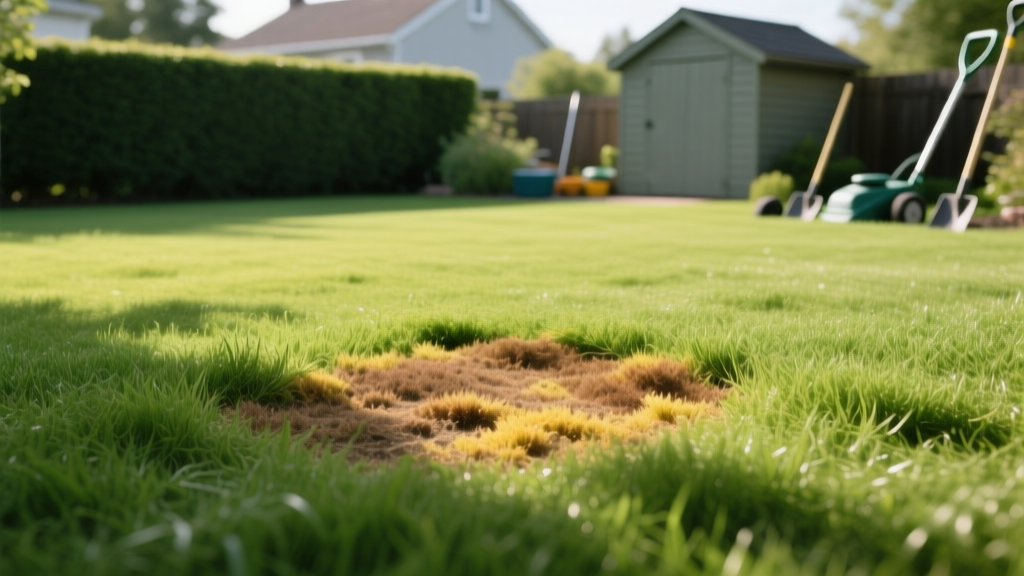
Brown Patch Lawn Disease: Identification and Treatment Guide
David ParkPublished
Understanding Brown Patch Disease
Brown patch disease is one of the most common and destructive turfgrass ailments affecting residential lawns across North America. Caused by the soil-borne fungus Rhizoctonia solani, this disease thrives in warm, humid conditions and can rapidly devastate a once-lush landscape in a matter of days. While it primarily targets cool-season grasses like tall fescue, perennial ryegrass, and Kentucky bluegrass during the peak of summer, it can also severely impact warm-season grasses such as St. Augustinegrass and zoysiagrass during the cooler, damp periods of spring and fall. Understanding the life cycle and environmental preferences of Rhizoctonia solani is the first step toward effective management. The fungus survives the winter in the soil and thatch layer as sclerotia (compact masses of fungal tissue) or dormant mycelium. When environmental conditions become favorable, the fungus becomes active, infecting the leaf blades and sheaths of the turfgrass, leading to rapid foliar blighting and, in severe cases, crown rot and plant death.
Key Symptoms and Visual Identification
Accurate identification is critical, as misdiagnosing brown patch can lead to ineffective treatments and wasted resources. The most characteristic sign of brown patch is the appearance of circular or irregularly shaped patches of blighted turf, typically ranging from six inches to several feet in diameter. In the early morning, when dew is present on the grass, you may observe a dark, purplish-black 'smoke ring' at the active outer margin of the patch. This smoke ring indicates the advancing edge of the fungal infection. Upon closer inspection of individual grass blades, you will notice tan or light brown lesions with dark brown borders. The leaves often twist, wither, and collapse, giving the turf a matted, sunken appearance. In high humidity, a white, cobweb-like fungal growth called mycelium may be visible on the grass blades and soil surface before the sun dries the canopy. According to turf pathology experts at Penn State Extension, distinguishing these foliar lesions from environmental drought stress or insect damage is paramount for selecting the correct curative action.
Environmental Triggers and Risk Factors
The Rhizoctonia solani fungus requires specific environmental conditions to trigger an outbreak. The primary catalyst is the combination of high daytime temperatures (above 85°F) and high nighttime temperatures (above 70°F), coupled with prolonged leaf wetness. If the grass canopy remains wet for more than 10 to 12 continuous hours, the risk of infection increases exponentially. Poor soil drainage, heavy clay soils, and excessive thatch buildup (greater than half an inch) trap moisture against the soil surface, creating a microclimate ideal for fungal proliferation. Additionally, over-fertilization with quick-release nitrogen in late spring or early summer promotes lush, succulent leaf growth that is highly susceptible to fungal penetration. Compacted soils and shaded areas that restrict air movement and slow the drying of morning dew further exacerbate the problem.
Disease Comparison Chart
Homeowners often confuse brown patch with other common turf diseases. The table below highlights the key differences to aid in accurate identification.
| Feature | Brown Patch | Dollar Spot | Summer Patch |
|---|---|---|---|
| Patch Size | 6 inches to 3+ feet | 1 to 6 inches (silver dollar) | 6 inches to 2 feet |
| Grass Types | Fescue, Ryegrass, Bluegrass | Most cool and warm-season | Bluegrass, Fine Fescue |
| Leaf Lesions | Tan with dark borders | Hourglass-shaped, bleached | Root/crown rot (leaves intact) |
| Active Temp | 80°F - 95°F (Day) | 60°F - 85°F | 85°F+ (Soil Temp) |
| Smoke Ring | Yes (often present) | No | No |
For comprehensive visual guides and regional outbreak data, the NC State Turfgrass Program provides excellent diagnostic resources for homeowners and landscaping professionals alike.
Step-by-Step Fungicide Treatment Strategy
When cultural practices are insufficient and an active outbreak threatens the survival of your lawn, chemical intervention becomes necessary. Fungicides should be viewed as a targeted tool rather than a blanket solution. For curative treatment, systemic fungicides are required because they are absorbed by the plant and can halt the progression of the disease from within the tissue. Contact fungicides only protect the surface of the leaf blade and are easily washed away by rain or irrigation.
Recommended Active Ingredients and Products
The most effective active ingredients against Rhizoctonia solani belong to the strobilurin and demethylation inhibitor (DMI) chemical classes. Azoxystrobin, a strobilurin, is widely regarded as the gold standard for brown patch control. Propiconazole, a DMI, is also highly effective and offers a different mode of action, which is crucial for preventing fungal resistance. Many premium residential and commercial products combine these two active ingredients for broad-spectrum, long-lasting protection.
- Heritage G (Azoxystrobin 0.31%): A professional-grade granular strobilurin. Apply at a curative rate of 2 to 4 lbs per 1,000 square feet. It provides up to 28 days of residual control.
- Scotts DiseaseEx Lawn Fungicide (Azoxystrobin 0.31%): A widely available consumer version of Heritage G. Apply at 2 to 4 lbs per 1,000 square feet for active outbreaks.
- Headway G (Azoxystrobin 7.67% + Propiconazole 11.54%): A powerful combination granular product. Apply at 2.5 to 3.5 lbs per 1,000 square feet. The dual mode of action provides excellent curative and preventative results.
- BioAdvanced Fungus Control (Propiconazole 14.3%): A liquid concentrate that is cost-effective for smaller lawns. Mix according to label directions, typically 1 to 2 fluid ounces per gallon of water per 1,000 square feet.
Application Best Practices
Timing and technique are just as important as the product chosen. Apply granular fungicides when the grass is dry to ensure the prills reach the soil surface and thatch layer. Immediately after application, water the lawn lightly (about 1/8 to 1/4 inch of irrigation) to activate the product and wash it off the grass blades and into the root zone where the fungus resides. Avoid mowing for at least 24 to 48 hours after application to prevent removing the fungicide from the leaf tissue. If using liquid concentrates, apply them during the cooler parts of the day, such as early morning or late evening, to prevent phytotoxicity (leaf burn) and ensure maximum absorption. Always rotate chemical classes (e.g., alternate between Azoxystrobin and Propiconazole) every 2 to 3 applications to prevent the fungus from developing genetic resistance.
Cultural Practices and Long-Term Prevention
While fungicides can stop an active infection, long-term lawn health relies heavily on proactive cultural practices that make the environment hostile to fungal growth. The University of Minnesota Extension emphasizes that modifying the microclimate of your lawn is the most sustainable approach to disease management.
Smart Irrigation Management
Watering your lawn deeply but infrequently is crucial. Lawns generally require 1 to 1.5 inches of water per week, including rainfall. The most critical factor is the timing of irrigation. Always water between 4:00 AM and 6:00 AM. This allows the grass blades to dry quickly once the sun rises, minimizing the duration of leaf wetness. Watering in the evening leaves the grass wet all night, practically inviting brown patch to take hold. Consider upgrading to a smart irrigation controller that adjusts watering schedules based on local weather data and soil moisture sensors to prevent overwatering.
Mowing and Thatch Control
Maintain the proper mowing height for your specific grass type. For tall fescue, keep the mower deck set to 3 to 4 inches. Cutting the grass too short stresses the plant and reduces its ability to photosynthesize and fight off pathogens. Never remove more than one-third of the grass blade in a single mowing. Furthermore, ensure your mower blades are razor-sharp; dull blades tear the grass tips, creating ragged wounds that serve as easy entry points for fungal spores. Thatch buildup acts like a sponge, holding moisture and harboring fungal spores. If your thatch layer exceeds half an inch, schedule core aeration in the early fall (for cool-season grasses) or late spring (for warm-season grasses) to relieve soil compaction, improve drainage, and accelerate thatch decomposition.
Fertilization Strategies
Adjust your fertilization schedule to avoid pushing excessive top-growth during peak disease seasons. For cool-season lawns, avoid heavy applications of quick-release nitrogen from late May through August. Instead, focus on slow-release, organic nitrogen sources or delay heavy feeding until the cooler temperatures of early fall when the grass can utilize the nutrients for root development rather than vulnerable leaf expansion. Maintaining adequate potassium levels also strengthens the plant's cell walls, improving its natural resistance to fungal penetration.
Conclusion
Brown patch disease can be a formidable opponent, but it is entirely manageable with the right knowledge and tools. By accurately identifying the 'smoke ring' and foliar lesions, understanding the environmental triggers, and deploying targeted systemic fungicides like Azoxystrobin and Propiconazole, you can halt an outbreak in its tracks. Coupling these chemical treatments with smart irrigation, proper mowing heights, and strategic fertilization will fortify your lawn against future infections. A proactive, integrated approach ensures your outdoor living space remains a vibrant, healthy, and disease-free extension of your home throughout the challenging summer months.
