
Landscaping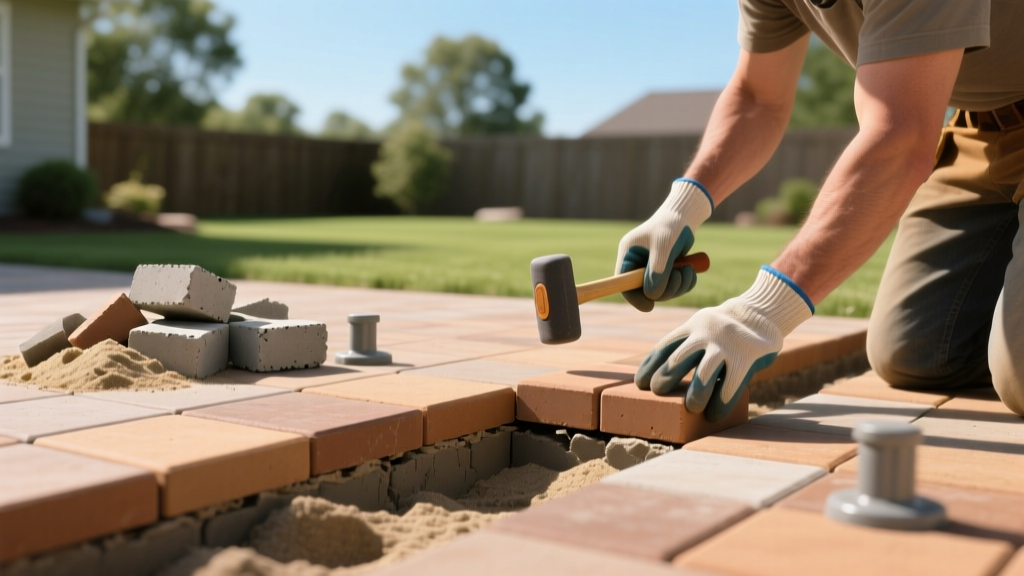
Budgeting for a Paver Patio: Costs, Materials, and DIY
Mike RodriguezPublished
Adding an outdoor living space to your backyard is one of the most rewarding landscaping projects you can undertake. Not only does it expand your usable square footage, but it also significantly boosts your property's curb appeal and resale value. Among the various hardscaping options available, paver patios remain a top choice for homeowners due to their durability, aesthetic versatility, and relatively straightforward repair process. However, before you start picking out colors and patterns, it is crucial to establish a realistic budget. Hardscaping projects can quickly spiral out of control financially if you fail to account for the underlying base materials, labor, site preparation, and long-term maintenance. This comprehensive cost and budgeting guide will break down the expenses associated with installing a paver patio, helping you make informed decisions whether you plan to hire a professional landscaping crew or tackle the project as a weekend DIY warrior.
Understanding the National Average Costs
The total cost of a paver patio varies wildly based on your geographic location, the complexity of the design, and the materials selected. According to industry data from HomeGuide, the national average cost to build a paver patio ranges from $10 to $25 per square foot for a professional installation. For a standard 300-square-foot patio, this translates to a total project cost between $3,000 and $7,500. If you opt for high-end natural stone or intricate herringbone patterns that require extensive cutting and labor, you can expect to pay upwards of $30 to $40 per square foot. Conversely, a basic concrete paver installation in a simple running bond pattern on a flat, easily accessible site will sit at the lower end of the spectrum. Understanding these baseline numbers is the first step in aligning your dream design with your actual bank account.
Paver Material Cost Comparison Chart
The surface material you choose will dictate a significant portion of your budget. Below is a breakdown of the most common paver materials, their average costs per square foot, and their unique characteristics.
| Material | Cost per Sq. Ft. | Durability | Maintenance Level |
|---|---|---|---|
| Concrete Pavers | $4 - $12 | High | Low |
| Clay Brick Pavers | $8 - $15 | Very High | Medium |
| Natural Stone (Flagstone) | $15 - $30+ | High | High |
| Permeable Pavers | $10 - $20 | High | Medium |
Concrete Pavers
Concrete pavers are the most popular choice for budget-conscious homeowners. They are manufactured in a vast array of shapes, sizes, and colors, allowing for endless design possibilities. While they can mimic the look of natural stone, they are significantly more affordable. However, they can fade over time when exposed to intense UV radiation and may require periodic sealing to maintain their vibrancy.
Clay Brick Pavers
Brick offers a classic, timeless aesthetic that pairs beautifully with traditional and colonial-style homes. Unlike concrete, the color of a clay brick runs all the way through, meaning it will not fade from sun exposure. Bricks are incredibly durable and can last for generations, but they are limited in shape and size, which can restrict complex design patterns.
Natural Stone
Materials like flagstone, bluestone, and travertine represent the luxury tier of patio paving. Natural stone provides an unmatched, organic beauty and unique texture that manufactured products simply cannot replicate. The primary drawback is the cost; not only is the material itself expensive, but the irregular shapes often require a more labor-intensive installation process, driving up labor costs.
The Foundation: Base and Preparation Expenses
A common mistake novice landscapers make is allocating their entire budget to the visible pavers while neglecting the unseen foundation. A paver patio is only as strong as its base. If you skimp on base preparation, your patio will inevitably suffer from settling, pooling water, and frost heave. For a standard patio, you will need to excavate at least 7 to 9 inches of topsoil. The base typically consists of a 4 to 6-inch layer of compacted crushed stone (such as Class II road base or 3/4-inch minus gravel), followed by a 1-inch layer of coarse bedding sand. You must also factor in the cost of geotextile fabric, which is essential if you have clay-heavy soil, as it prevents the base aggregate from mixing with the subgrade. Additionally, plastic or aluminum edging restraints and heavy-duty spikes are required to keep the pavers from creeping outward over time. Finally, polymeric sand is swept into the joints and activated with water to lock the pavers together and prevent weed growth. These base and prep materials typically add $2 to $4 per square foot to your overall budget.
Labor Costs: DIY vs. Professional Installation
Labor generally accounts for 50% to 60% of the total cost of a professionally installed paver patio. Professional landscapers bring specialized equipment, such as mechanical plate compactors, laser levels, and masonry saws, ensuring a perfectly graded and structurally sound surface. Hiring a pro also provides the peace of mind that comes with warranties and liability coverage. On the other hand, installing a paver patio is one of the more accessible DIY hardscaping projects. By doing the work yourself, you can cut your total project cost in half. However, you must honestly assess your physical capability and available time. Excavating hundreds of pounds of dirt, hauling tons of gravel in a wheelbarrow, and meticulously leveling the sand bed is grueling work. If you choose the DIY route, remember to budget for tool rentals, including a plate compactor (roughly $75 to $100 per day) and a wet masonry saw for cutting pavers to fit the edges.
Permeable Pavers and Drainage Considerations
In regions with heavy rainfall or strict municipal stormwater regulations, traditional impervious patios can cause drainage issues, leading to flooded lawns or compromised home foundations. Permeable pavers offer an elegant, sustainable solution. According to the Environmental Protection Agency (EPA), permeable pavement systems reduce stormwater runoff by allowing water to infiltrate through the joints and into the underlying soil or a specialized aggregate reservoir. While the permeable pavers themselves are slightly more expensive, the base requires a deeper excavation and specific, uniformly sized, washed aggregate to maintain void spaces for water storage. This can increase base material costs by 20% to 30%, but it may save you money on separate French drain installations or municipal runoff fees.
Hidden Landscaping Costs You Might Overlook
When drafting your budget, it is vital to account for the hidden costs that rarely appear in glossy landscaping brochures. First, check with your local municipality regarding building permits. Many towns require permits for hardscaping projects over a certain square footage, which can cost anywhere from $50 to $200. Second, consider the cost of site access. If a skid steer or dump truck cannot easily access your backyard, materials will have to be moved manually or via small motorized buggies, drastically increasing labor time and costs. Third, do not forget about demolition and disposal. If you are replacing an existing concrete slab or old wooden deck, you will need to pay for a dumpster rental or junk removal service, which can easily add $400 to $800 to your final bill. Lastly, factor in the cost of a high-quality penetrating sealer, which should be applied a few months after installation and reapplied every two to three years to protect against stains and efflorescence.
Smart Strategies to Maximize Your Hardscaping Budget
If the quotes you are receiving exceed your available capital, there are several strategic ways to reduce costs without sacrificing structural integrity. First, stick to standard, modular paver sizes and simple patterns like a running bond or stack bond. Intricate patterns like herringbone or circular designs result in up to 15% more material waste due to the sheer volume of cuts required. Second, source your materials locally. Pavers and gravel are incredibly heavy; ordering from a supplier across the state will result in exorbitant freight delivery fees. Third, consider a phased approach. Install the patio base and pavers this season, but wait until next year to add expensive perimeter features like built-in seating walls, fire pits, or outdoor kitchen islands. Finally, consult the technical guidelines provided by the Interlocking Concrete Pavement Institute (ICPI) to ensure that any cost-cutting measures you take do not violate industry best practices for base depth and edge restraint installation.
Conclusion
Budgeting for a paver patio requires a careful balance between aesthetic desires and practical financial constraints. By understanding the true costs of materials, respecting the critical importance of a properly engineered base, and accurately weighing the pros and cons of DIY versus professional installation, you can confidently plan your outdoor living space. Whether you are laying a modest 200-square-foot bistro pad or a sprawling 800-square-foot entertainment hub, a well-researched budget is the foundation upon which your dream landscape will be built.

