
Landscaping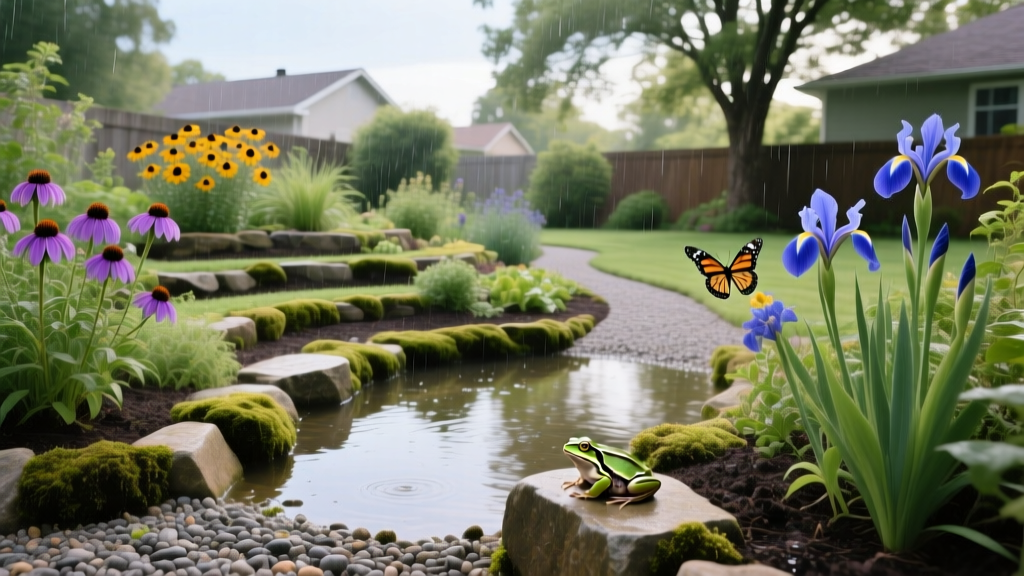
How to Build a Rain Garden for Sustainable Stormwater Management
James MillerPublished
The Environmental Impact of Stormwater Runoff
As urban and suburban development expands, the amount of impervious surface area—such as concrete driveways, asphalt roads, and compacted lawns—increases dramatically. When rain falls on these surfaces, it cannot soak into the ground naturally. Instead, it becomes stormwater runoff, picking up pollutants like motor oil, lawn fertilizers, pet waste, and heavy metals along the way. This toxic cocktail is often funneled directly into municipal storm drains, eventually emptying into local rivers, lakes, and oceans. According to the Environmental Protection Agency (EPA), green infrastructure solutions like rain gardens are critical for mitigating this environmental hazard, reducing the burden on municipal sewer systems, and recharging local groundwater aquifers.
What is a Rain Garden?
A rain garden is a strategically placed, shallow depression in your landscape designed to capture and temporarily hold stormwater runoff from roofs, driveways, and patios. Unlike a water garden or a pond, a rain garden is not meant to hold water permanently. Instead, it is engineered to allow water to pool for a short period—typically 24 to 48 hours—before slowly percolating into the native soil. The specialized soil mix and deep-rooted native plants act as a natural biofilter, trapping sediments and breaking down pollutants before the water reaches the groundwater table. By integrating a rain garden into your landscaping, you transform a drainage problem into a thriving, eco-friendly habitat for local pollinators and beneficial insects.
Comparing Eco-Friendly Drainage Solutions
Homeowners dealing with yard drainage issues often default to traditional hardscaping solutions. However, sustainable landscaping offers alternatives that benefit the local ecosystem. Below is a comparison of common drainage methods to help you understand why a rain garden is the superior eco-friendly choice.
| Feature | Rain Garden | French Drain | Dry Well |
|---|---|---|---|
| Primary Function | Captures, filters, and absorbs runoff | Moves water away from an area | Stores water underground for slow release |
| Eco-Impact | High (filters pollutants, supports wildlife) | Low (simply relocates the problem) | Moderate (recharges groundwater, no filtration) |
| Maintenance | Weeding, mulching, plant care | Flushing pipes, clearing gravel clogs | Occasional vacuuming of sediment |
| Average Cost (DIY) | $3 - $10 per sq. ft. | $5 - $15 per linear ft. | $150 - $500 per unit |
| Lifespan | Indefinite (with proper plant care) | 10 - 20 years (pipes degrade/clog) | 20 - 30 years |
Step-by-Step Guide to Building Your Rain Garden
1. Site Selection and Sizing
Location is critical for both the effectiveness of the garden and the structural integrity of your home. Always place your rain garden at least 10 feet away from your home's foundation to prevent water intrusion and basement flooding. Avoid placing it directly over a septic system or underground utilities. To determine the ideal size, calculate the square footage of the impervious surface draining into the garden (e.g., half of your roof's footprint or your driveway). A general rule of thumb provided by the University of Minnesota Extension is that a rain garden should be about 20% to 30% the size of the impervious area draining into it, assuming standard soil conditions and a depth of 6 to 8 inches.
2. The Percolation Test
Before you dig, you must ensure your native soil can absorb water at an adequate rate. Dig a test hole about 8 inches deep and 6 inches wide in your proposed location. Fill it with water and let it drain completely to saturate the soil. Then, fill it a second time and measure how many inches the water level drops per hour. A drop rate of at least 1 inch per hour is ideal. If your soil is heavy clay and drains slower than 0.5 inches per hour, you will need to excavate deeper and replace the native soil with a specialized bioretention mix.
3. Excavation and Soil Amendment
Mark the boundaries of your rain garden using a garden hose or landscaping spray paint. Excavate the area to a depth of 6 to 8 inches, ensuring the bottom is completely level. Use the excavated soil to build a berm on the downhill side of the garden to help contain the water. If your native soil failed the percolation test, excavate an additional 12 to 18 inches and replace it with a bioretention soil mix. The ideal sustainable mix consists of 50% coarse builder's sand, 25% topsoil, and 25% organic compost. This mixture ensures rapid drainage while providing enough organic matter to sustain plant life and support microbial activity that breaks down pollutants.
4. Planting in Hydrozones
Rain gardens have three distinct moisture zones, and selecting the right native plants for each zone is crucial for long-term survival. According to the National Wildlife Federation, using native plants is essential because their deep root systems (often reaching 5 to 15 feet deep) create channels in the soil that dramatically increase water infiltration rates while providing vital habitat for local wildlife.
- Zone 1 (The Bottom): This area holds the most water and stays saturated the longest. Choose plants that tolerate "wet feet" and occasional flooding.
- Zone 2 (The Slopes): The sides of the garden experience fluctuating moisture levels. Plants here must tolerate both brief inundation and periods of moderate dryness.
- Zone 3 (The Berm and Edges): The outer edges and the top of the berm rarely hold standing water. Select drought-tolerant native species that thrive in standard garden conditions.
Best Native Plants for Rain Gardens
Choosing the right flora ensures your rain garden functions as a biofilter and a pollinator haven. Here are top native plant recommendations categorized by hydrozone (note that specific native species vary by your USDA Hardiness Zone; consult your local cooperative extension for regional variations):
- Zone 1 (Wet Bottom): Swamp Milkweed (Asclepias incarnata), Blue Flag Iris (Iris versicolor), and Cardinal Flower (Lobelia cardinalis). These plants thrive in saturated soils and attract monarch butterflies and hummingbirds.
- Zone 2 (Moist Slopes): New England Aster (Symphyotrichum novae-angliae), Joe-Pye Weed (Eutrochium purpureum), and Wild Bergamot (Monarda fistulosa). These provide excellent late-season nectar for bees.
- Zone 3 (Dry Edges): Purple Coneflower (Echinacea purpurea), Black-Eyed Susan (Rudbeckia hirta), and Little Bluestem grass (Schizachyrium scoparium). These deep-rooted perennials stabilize the berm and prevent erosion.
Cost Estimates and Material Sourcing
Building a DIY rain garden typically costs between $3 and $10 per square foot, depending on soil amendment needs and plant maturity. For a standard 150-square-foot rain garden, expect to spend roughly $450 to $1,500. The largest expenses are usually the delivery of the sand/compost soil mix and purchasing mature native plugs or 1-gallon perennials. To keep costs down and maximize sustainability, source plants from local native plant nurseries or participate in local conservation district plant sales, which often offer bare-root natives at a fraction of the cost of big-box garden centers.
Long-Term Sustainable Maintenance
One of the greatest advantages of a rain garden is its low long-term maintenance, especially compared to a traditional turf lawn. However, the first two years require some attention as the native plants establish their deep root systems. Water the garden deeply once a week during dry spells in the first two summers. Apply a 2-to-3-inch layer of double-shredded hardwood mulch to suppress weeds and retain moisture. Avoid using pine bark or lightweight mulches, as they will float away during heavy rain events. Most importantly, never use synthetic fertilizers or chemical pesticides in or around your rain garden. Because the garden is designed to capture runoff and channel it into the groundwater, introducing chemicals directly defeats the eco-friendly purpose of the feature and risks contaminating the local water table. By embracing sustainable landscaping practices, your rain garden will become a self-sustaining, beautiful focal point that actively heals the local watershed.

