
Landscaping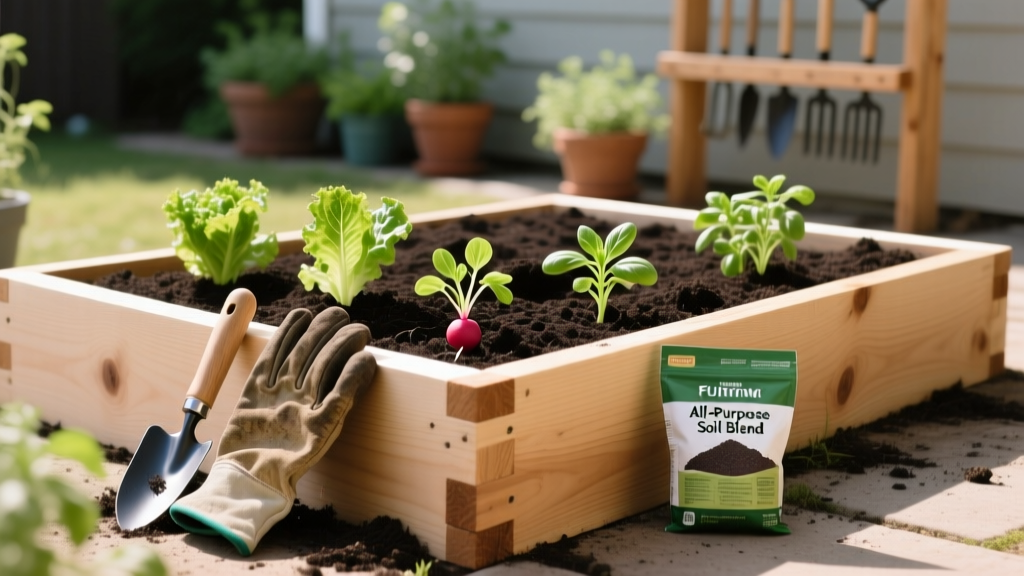
Beginner Guide: Build and Plant Your First Raised Bed
Robert HayesPublished
Why Choose Raised Beds for Your Landscape?
Integrating edible gardens into your landscape design is one of the most rewarding projects a homeowner can undertake. For beginners, traditional in-ground gardening can be daunting due to poor native soil, aggressive weeds, and drainage issues. This is where raised bed gardening shines. According to Penn State Extension, raised beds warm up faster in the spring, extend your growing season, and provide superior drainage compared to flat ground.
Raised beds also act as a transitional hardscaping element, defining outdoor living spaces while softening the landscape with lush, productive greenery. Whether you want to grow crisp salads, vibrant cherry tomatoes, or fragrant herbs, this beginner-friendly guide will walk you through building, filling, and planting your very first raised garden bed with precise measurements, cost estimates, and actionable steps.
Step 1: Choosing the Right Location and Dimensions
Before purchasing materials, you must map out your space. Most edible plants require a minimum of six to eight hours of direct sunlight daily. Observe your yard throughout the day to identify south-facing or west-facing areas that are unshaded by trees, fences, or your home. Additionally, ensure the site is relatively level and close to a water source; dragging a 50-foot hose across the yard every evening will quickly dampen your enthusiasm.
For beginners, the golden rule of raised bed sizing is to keep the width at a maximum of 4 feet. This ensures you can easily reach the center of the bed from either side without stepping on the soil, which prevents compaction. A length of 8 feet is standard and aligns perfectly with the dimensions of lumber available at most hardware stores. A depth of 10 to 12 inches is sufficient for most shallow-rooted vegetables and herbs, though 18 inches is ideal if you plan to grow deep-rooted crops like carrots or parsnips.
Step 2: Selecting Materials and Building the Frame
The most common and cost-effective material for raised beds is untreated wood. Cedar and redwood are naturally rot-resistant and can last 10 to 20 years, but they come at a premium cost (often $30 to $50 per board). For a budget-friendly option, untreated pine or fir will cost around $10 to $15 per board and last 5 to 7 years. Never use pressure-treated lumber that contains CCA (chromated copper arsenate) or creosote, as these chemicals can leach into your soil and edible plants.
To build a standard 4x8 foot bed that is 11 inches deep (the actual height of a standard 2x12 board), you will need:
- Three 2x12x8 foot untreated wooden boards (cut one in half to create the 4-foot ends).
- Four 4x4x12 inch corner posts (or heavy-duty metal corner brackets).
- A box of 3-inch exterior-grade galvanized or stainless steel deck screws.
- A power drill, a level, and a tape measure.
Assemble the frame on a flat surface, pre-drilling holes at the ends of the boards to prevent the wood from splitting. Drive three screws through each end into the corner posts. Once assembled, move the frame to your chosen location. Use a shovel to level the ground beneath it, checking with a carpenter's level to ensure water will distribute evenly across the bed.
Step 3: Preparing the Base and Mixing the Soil
Do not skip the base preparation. To smother existing grass and weeds without using chemical herbicides, practice 'sheet mulching' by laying down overlapping layers of plain, uncoated cardboard directly on the ground inside the frame. Water the cardboard thoroughly to start the decomposition process. As noted by University of Maryland Extension, avoiding soil compaction and maintaining a healthy soil biome are primary benefits of raised beds, and a cardboard base allows earthworms to migrate upward while blocking aggressive weeds like Bermuda grass.
The most critical mistake beginners make is filling their raised beds with cheap 'topsoil' or dirt dug up from the yard. Garden soil is too heavy and will compact in a raised bed, suffocating plant roots. Instead, you need a light, fluffy, and nutrient-dense mix. A simplified, beginner-friendly adaptation of the famous 'Mel's Mix' involves three main components.
Raised Bed Soil Component Guide
| Component | Percentage | Purpose | Estimated Cost (per cu. ft.) |
|---|---|---|---|
| High-Quality Topsoil | 50% | Provides structural base and bulk | $2.00 - $3.00 |
| Organic Compost | 30% | Supplies slow-release nutrients and microbes | $3.50 - $5.00 |
| Coconut Coir or Peat Moss | 20% | Retains moisture and keeps soil aerated | $4.00 - $6.00 |
A 4x8 foot bed that is 1 foot deep requires exactly 32 cubic feet of soil. For convenience, many beginners opt for pre-bagged 'Raised Bed Soil' from brands like Miracle-Gro or Kellogg Garden Organics, which costs about $7 to $10 per 1.5 cubic foot bag. While more expensive than mixing bulk ingredients, it guarantees a sterile, well-draining, and pH-balanced starting medium.
Step 4: Beginner-Friendly Plants to Grow
When your soil is in place, it is time to plant. For your first season, focus on high-yield, low-maintenance crops that offer quick gratification and resist common pests. The Old Farmer's Almanac recommends starting with varieties that are forgiving of minor watering inconsistencies and basic soil conditions.
- Radishes (Cherry Belle): Direct sow seeds 1/2 inch deep and 2 inches apart. They germinate in 3 to 7 days and are ready to harvest in just 25 to 30 days. Perfect for impatient beginners.
- Bush Beans (Provider): Direct sow seeds 1 inch deep and 4 inches apart after the last spring frost. They do not require a trellis, produce heavily, and fix nitrogen in the soil, improving it for future crops.
- Cherry Tomatoes (Sun Gold or Sweet 100): Purchase nursery transplants rather than starting from seed. Plant them deeply, burying the stem up to the first set of leaves. They require a simple wire cage or trellis and will produce hundreds of sweet tomatoes from mid-summer until the first fall frost.
- Leaf Lettuce (Black Seeded Simpson): Sow seeds on the soil surface and lightly press them in. Keep the soil consistently moist. You can harvest the outer leaves continuously for weeks, making it a highly productive use of space.
- Zucchini (Black Beauty): Plant transplants or seeds on a small mound. Be warned: zucchini plants grow massive and can easily take up a 3x3 foot space. One or two plants are more than enough for a single family.
Step 5: Watering, Mulching, and Maintenance
Raised beds drain faster than in-ground gardens, meaning they dry out more quickly in the heat of summer. To conserve water and keep plant roots cool, apply a 2-inch layer of organic mulch over the soil surface after your seedlings are a few inches tall. Untreated grass clippings, straw, or shredded leaves are excellent, inexpensive mulching materials that will eventually break down and add organic matter back into your soil.
For watering, the best investment you can make is a simple drip irrigation kit with a battery-operated timer. Drip lines deliver water directly to the base of the plants, minimizing evaporation and keeping the foliage dry, which prevents fungal diseases like powdery mildew. If watering by hand, always water the soil, not the leaves, and aim for deep, infrequent soakings (about 1 to 1.5 inches of water per week) rather than shallow daily sprinkles. Deep watering encourages roots to grow downward, creating stronger, more drought-resistant plants.
By following these steps, you will seamlessly integrate a functional, beautiful, and highly productive raised bed into your home landscape. Not only will you enjoy the aesthetic curb appeal of a well-structured garden, but you will also reap the literal fruits of your labor with a bountiful harvest right outside your door.

