Home & Garden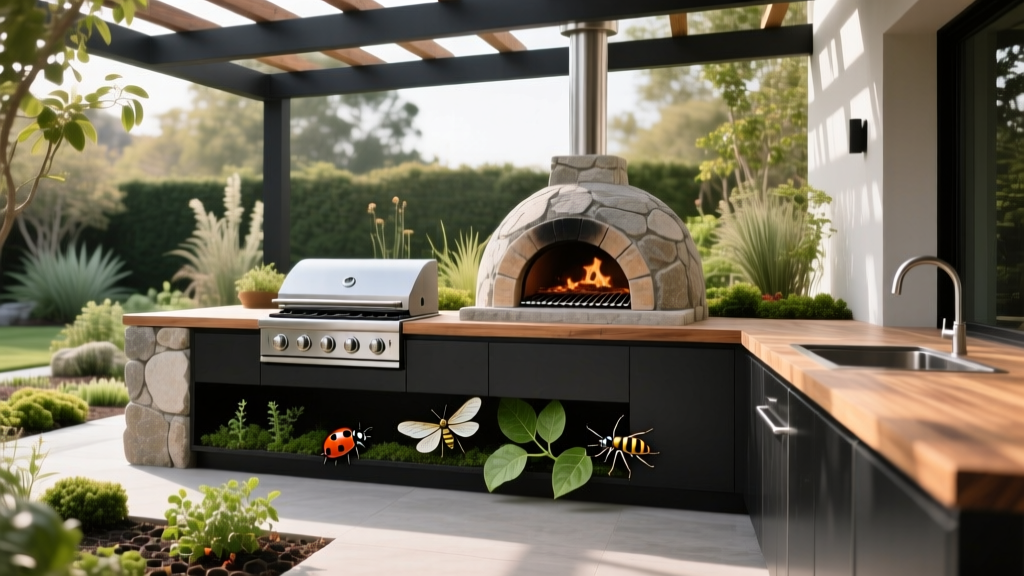
2026 Outdoor Kitchen Design: Pizza Ovens & Bio-Control
Anna KowalskiPublished
The Intersection of Culinary Landscaping and Bio-Control
In 2026, the modern outdoor kitchen is no longer just a patio with a freestanding grill; it is a fully integrated culinary landscape. Homeowners are increasingly embracing the garden-to-table movement, designing expansive outdoor kitchens featuring built-in gas and charcoal grills alongside traditional wood-fired pizza ovens. However, cooking outdoors presents a unique ecological challenge: the aromas of roasting meats, artisanal pizzas, and fresh garden produce inevitably attract scavenger pests like ants, flies, and yellowjackets. Historically, homeowners relied on harsh chemical sprays to keep these pests at bay. Today, applying synthetic pesticides near food preparation zones, built-in grills, and edible garden beds is recognized as a severe health and environmental risk.
This is where the 2026 paradigm shift toward beneficial insects and biological control (bio-control) comes into play. By strategically designing your outdoor kitchen and its surrounding landscape to harness natural predators, you can maintain a pristine, pest-free cooking environment without compromising food safety. This guide explores how to seamlessly integrate a built-in grill and pizza oven into a bio-active landscape that repels scavengers and supports a thriving, balanced ecosystem.
Hardscape Design: Strategic Placement for Pest Management
The foundation of a bio-friendly outdoor kitchen begins with the hardscape layout. When installing a built-in grill and a masonry or modular pizza oven, consider the prevailing wind patterns and the sun's trajectory. In 2026, landscape architects emphasize the 'heat island' effect of outdoor kitchens. A wood-fired pizza oven can radiate significant heat, which may dry out the surrounding soil and create an inhospitable environment for the beneficial insectary plants you need to manage pests.
To counteract this, position your pizza oven and built-in grill so that the prevailing breeze carries cooking smoke and aromas away from the primary garden beds and seating areas. Furthermore, utilize sintered stone or sealed granite for your countertops. Unlike porous materials that can trap food particles and harbor bacteria or attract foraging ants, modern non-porous surfaces ensure that a simple wipe-down removes the olfactory breadcrumbs that lead scavenger insects to your kitchen.
Pizza Oven Wood Storage and Biological Barriers
A wood-fired pizza oven requires a steady supply of seasoned hardwood, but improper firewood storage is a primary vector for introducing wood-boring insects, termites, and carpenter ants into your outdoor living space. According to Penn State Extension, bringing infested firewood near the home or storing it directly on the soil can allow pests to migrate into nearby structures or patio foundations.
To integrate bio-control into your wood storage design:
- Elevated Steel Racks: Store your pizza oven wood on elevated, powder-coated steel racks at least 15 feet away from the primary cooking and dining zones. This physical barrier prevents soil-dwelling pests from accessing the wood.
- Bark-Shredding Predators: Encourage ground-foraging beneficial birds and predatory beetles around the perimeter of the wood storage area by maintaining a layer of natural leaf litter nearby. These natural predators will hunt any wood-boring larvae that attempt to pupate in the soil beneath the rack.
- Avoid Chemical Sprays: Never treat your pizza oven firewood with chemical insecticides. When the wood is burned in your pizza oven, those chemicals will vaporize, tainting your food and releasing toxic fumes into your outdoor kitchen.
The Insectary Border: Companion Planting for the Outdoor Kitchen
To naturally control flying scavengers like flies and aggressive wasps, you must attract their natural predators. Parasitic wasps (which are microscopic or very small and do not sting humans) and hoverflies are voracious predators of garden pests and can help disrupt the breeding cycles of nuisance insects. By planting an 'insectary border' around the perimeter of your outdoor kitchen, you create a biological shield.
Below is a 2026 planting guide designed specifically for the microclimates surrounding an outdoor kitchen with a built-in grill and pizza oven:
| Plant Species | Beneficial Insect Attracted | Target Nuisance Pest | Placement Zone |
|---|---|---|---|
| Yarrow (Achillea millefolium) | Hoverflies, Parasitic Wasps | Aphids, Fly Larvae | Sun-drenched borders away from oven heat |
| Sweet Alyssum (Lobularia maritima) | Minute Pirate Bugs | Thrips, Small Scavengers | Creeping groundcover near prep stations |
| Fennel (Foeniculum vulgare) | Ladybugs, Lacewings | Aphids, Mites | Background planting behind the built-in grill |
| Lemongrass (Cymbopogon citratus) | General Predator Support | Mosquitoes, Flies | Potted near seating and dining areas |
These plants provide the nectar and pollen necessary to sustain adult beneficial insects, ensuring they remain in your garden-to-table ecosystem rather than migrating elsewhere. The strong citrus scent of lemongrass also acts as a natural olfactory mask, confusing mosquitoes and flies looking for food sources near your grill.
Sub-Surface Bio-Control: Nematodes for Ant Management
Ants are the undisputed nemeses of the outdoor kitchen. They are attracted to the sugary residues of marinades, spilled beverages, and the grease traps of built-in grills. Rather than using toxic ant baits that can harm local wildlife or contaminate your garden soil, 2026 best practices heavily favor the use of beneficial nematodes.
Beneficial nematodes are microscopic, naturally occurring roundworms that seek out and destroy the larvae of soil-dwelling pests, including many species of ants, grubs, and flea beetles. The Environmental Protection Agency (EPA) recognizes biological control agents like nematodes as a safe, highly effective alternative to broad-spectrum chemical pesticides, noting their minimal impact on non-target organisms and the broader environment.
Application Strategy for the Outdoor Kitchen:
- Timing: Apply Steinernema feltiae nematodes to the soil beneath and around your patio pavers in early spring and late summer.
- Method: Mix the nematodes with water and apply using a standard garden sprayer or hose-end attachment directly to the joints of your permeable pavers and the soil borders of the kitchen.
- Moisture: Nematodes require moisture to travel through the soil. Utilize a smart drip-irrigation system hidden beneath the gravel borders to keep the soil consistently damp, ensuring the nematodes survive and hunt effectively.
By treating the sub-surface environment, you collapse the ant colonies before they can establish foraging trails leading up the legs of your outdoor kitchen island and onto your pizza oven prep counters.
Smart Irrigation and Moisture Management
A common mistake in outdoor kitchen design is over-relying on traditional spray-head sprinklers. Spray irrigation wets the hardscape, the base of the built-in grill, and the masonry of the pizza oven, leading to premature rust, efflorescence, and the creation of damp microclimates that attract moisture-loving pests like earwigs, slugs, and mosquitoes.
In 2026, smart irrigation controllers paired with subsurface drip lines are the standard for culinary landscapes. By delivering water directly to the root zones of your insectary borders and edible garden beds, you keep the surface of your outdoor kitchen bone-dry. Furthermore, eliminating standing water removes the breeding grounds for mosquitoes, allowing you to enjoy evening pizza-making sessions without the need for chemical repellents or citronella candles.
Managing Scavengers with UC IPM Guidelines
Even with the best bio-control strategies, sanitation remains the first line of defense in any outdoor kitchen. The University of California Integrated Pest Management (UC IPM) program emphasizes that exclusion and sanitation are the most critical components of managing ant and fly populations in residential areas. For the outdoor kitchen, this translates to specific design choices:
- Integrated Waste Bins: Build pull-out, sealed trash and compost receptacles directly into your outdoor kitchen cabinetry. This prevents scavengers from accessing food waste.
- Grease Management: Ensure your built-in grill features an advanced, easily removable drip tray system. Clean this immediately after cooking, as oxidized grease is a powerful attractant for nuisance flies.
- Pizza Oven Ash Disposal: Wood ash from the pizza oven is highly alkaline and can be used sparingly in the garden to deter soft-bodied pests like slugs. However, store cooled ash in sealed metal containers to prevent it from becoming a muddy, pest-attracting mess when wet.
Conclusion: A Harmonious Culinary Ecosystem
Designing an outdoor kitchen with a built-in grill and pizza oven in 2026 is about more than just selecting high-end stainless steel appliances and beautiful masonry. It is about recognizing that your cooking space is part of a larger, living ecosystem. By abandoning toxic chemical sprays in favor of biological pest control, you protect your family's health, safeguard your garden-to-table ingredients, and foster a vibrant landscape.
Through the strategic use of insectary companion planting, sub-surface beneficial nematodes, and intelligent hardscape and wood-storage design, your outdoor kitchen will remain a pristine, pest-free sanctuary. Embrace the power of bio-control, and elevate your al fresco dining experience into a masterclass of sustainable, modern landscape architecture.
